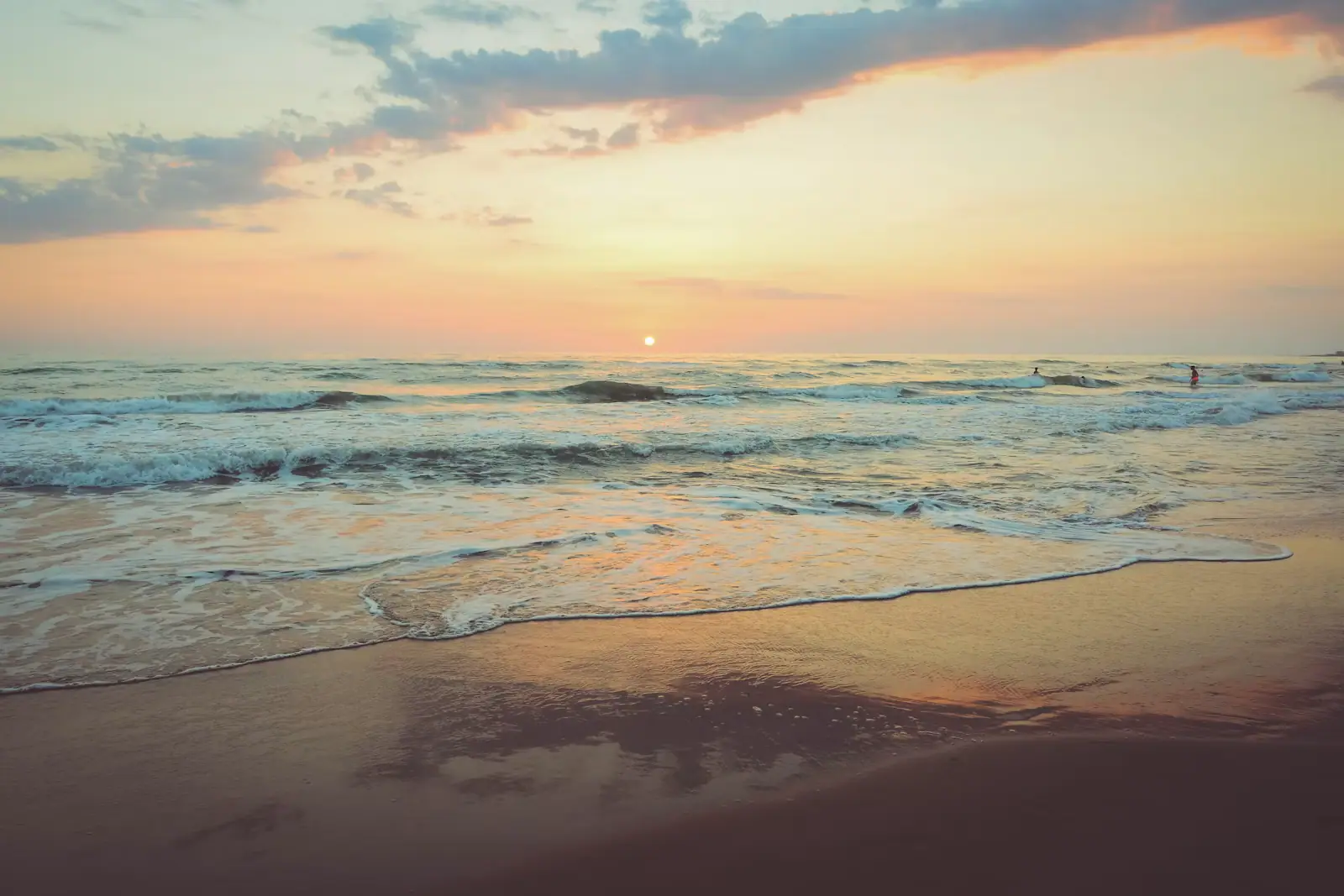
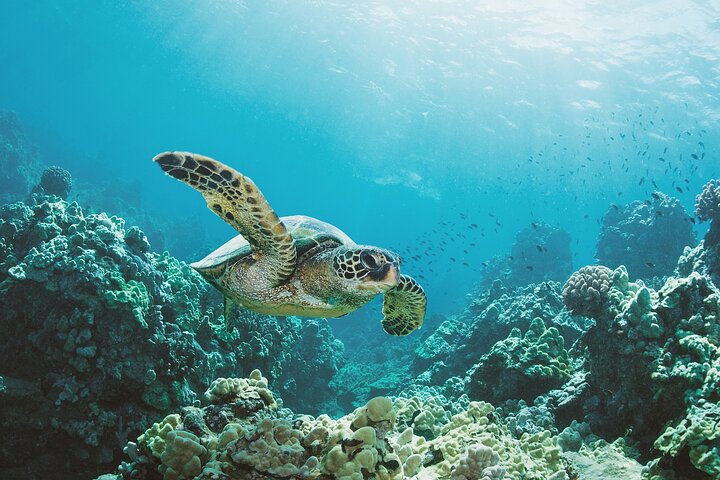
Laniākea is a short crescent of sand on Kamehameha Highway between Haleʻiwa and Waimea, and honu — Hawaiian green sea turtles — come out of the water here to rest on the dry sand.
Basking on land is unusual behaviour for green turtles. The Hawaiian population does it routinely, and Laniākea is the most accessible place on Oʻahu to see it.
The distance
Federal guidance is to stay at least 10 feet from a sea turtle, on land and in the water, and to give more room than that to an animal resting on sand. Honu are protected under the Endangered Species Act and by Hawaiʻi state law. Harassment includes anything that makes the animal change what it was doing — if it lifts its head, turns, or heads back toward the sea because of you, you were too close.
Volunteers from local conservation groups are often on the beach, roping off resting animals and explaining the distance. They are unpaid and they are right. Do not move a rope, a cone or a sign.
A turtle on the sand is not stranded or injured. It has hauled out deliberately, most likely to raise its body temperature and rest somewhere no shark can reach. Being driven back into the water by a crowd denies it exactly that.
The parking is the dangerous part
There is no car park at Laniākea. What exists is a dirt verge on the inland side of a two-lane highway and a stream of people crossing that highway on foot. It is a recognised traffic and pedestrian hazard, and it is a large part of why Kamehameha Highway backs up through this stretch.
Pull fully off the asphalt, all four wheels on the dirt. If the verge is full, keep driving — there will be turtles tomorrow. Cross where you can see both directions rather than between parked cars, and hold children's hands from the car door to the sand.
If an animal appears injured or entangled, report it to the NOAA Fisheries Pacific Islands marine wildlife hotline or tell a volunteer. Do not intervene.