Skip to content
Search
Menu

We earn a commission if you book through this link. You pay the same price.

Surf breaking against a low basalt headland under an overcast sky

Plan your trip

The Best Time to Visit the North Shore

Last updated

When to visit Oʻahu's North Shore, month by month. Winter surf closes the water, summer opens it, and the changeover is a forecast rather than a date.

There are two North Shores, and which one you book decides what kind of holiday you have. This is not a matter of degree, like a rainy season being a bit wetter. It is a coast that faces directly into the North Pacific, and for roughly five months of the year the ocean along it is closed.

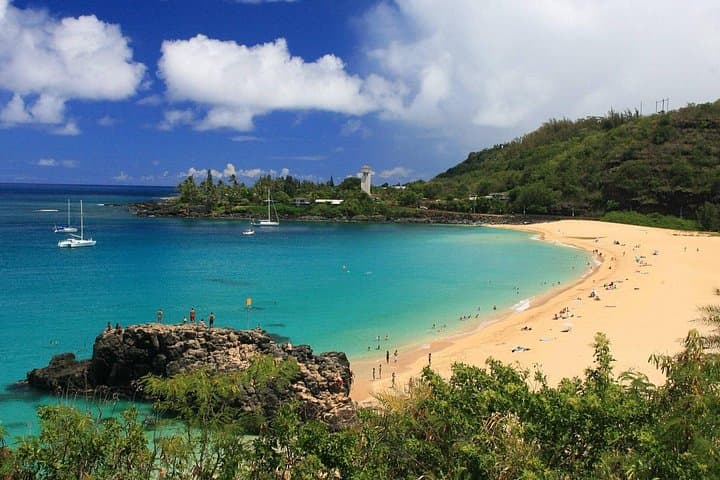
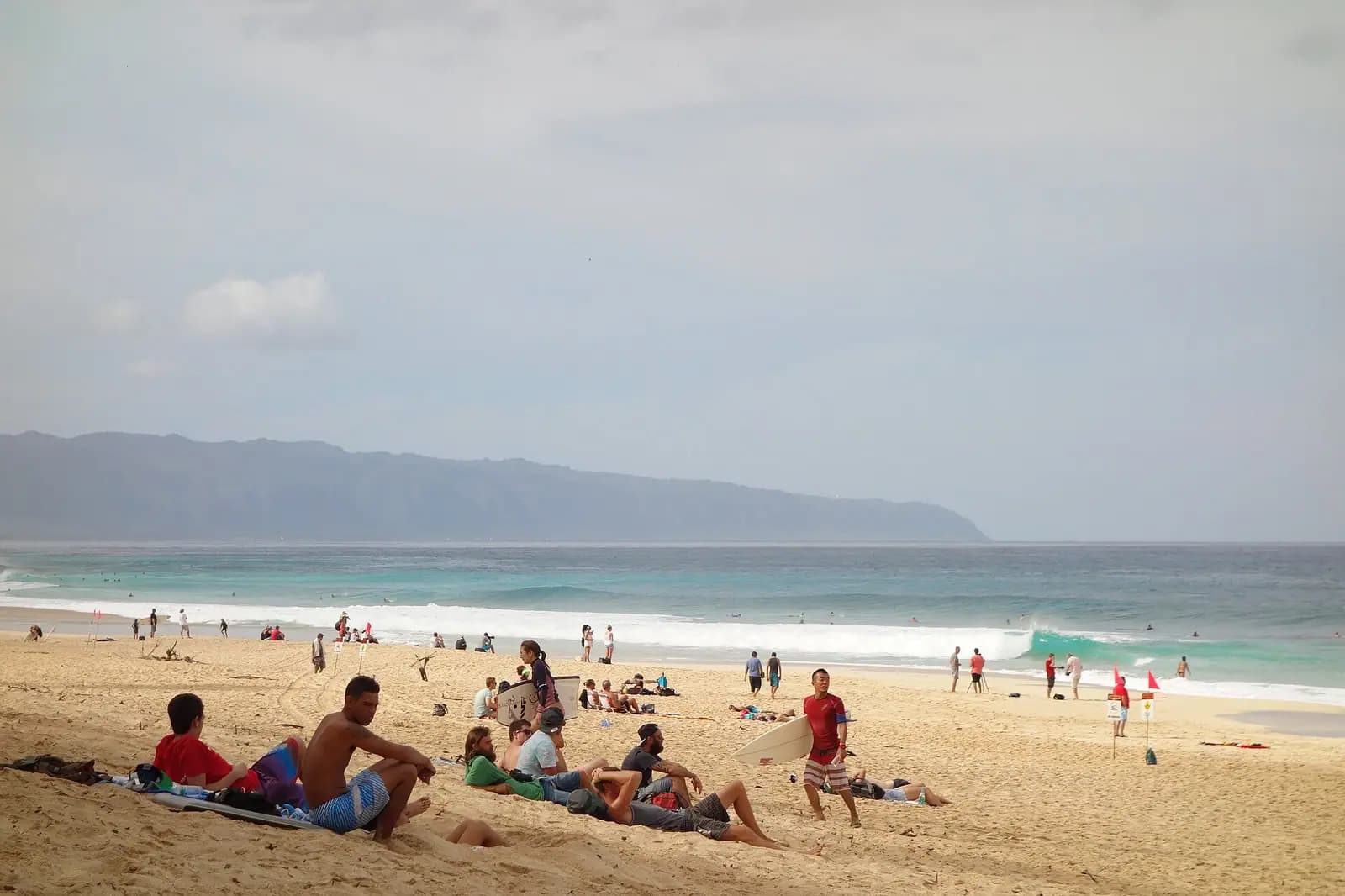
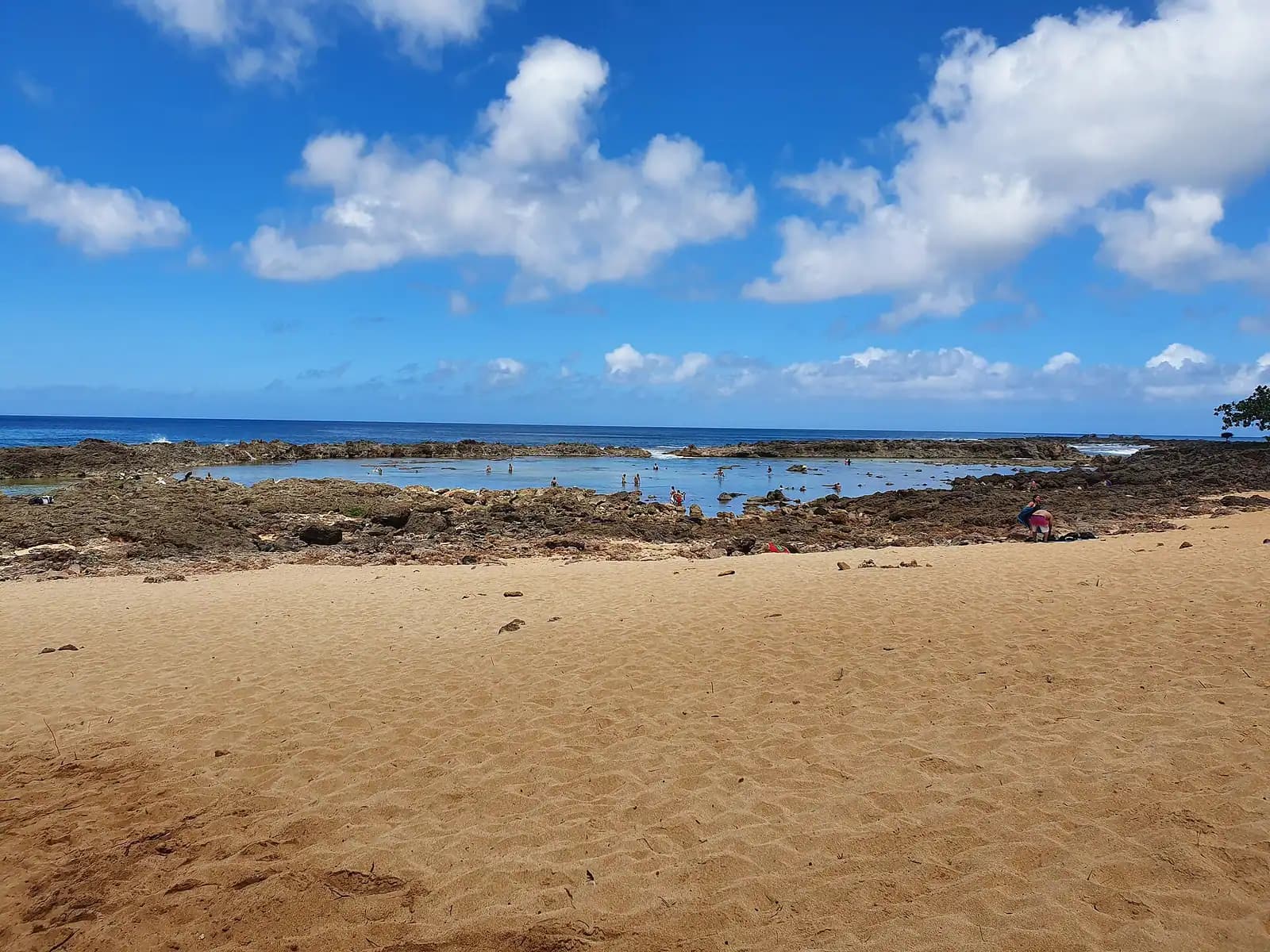
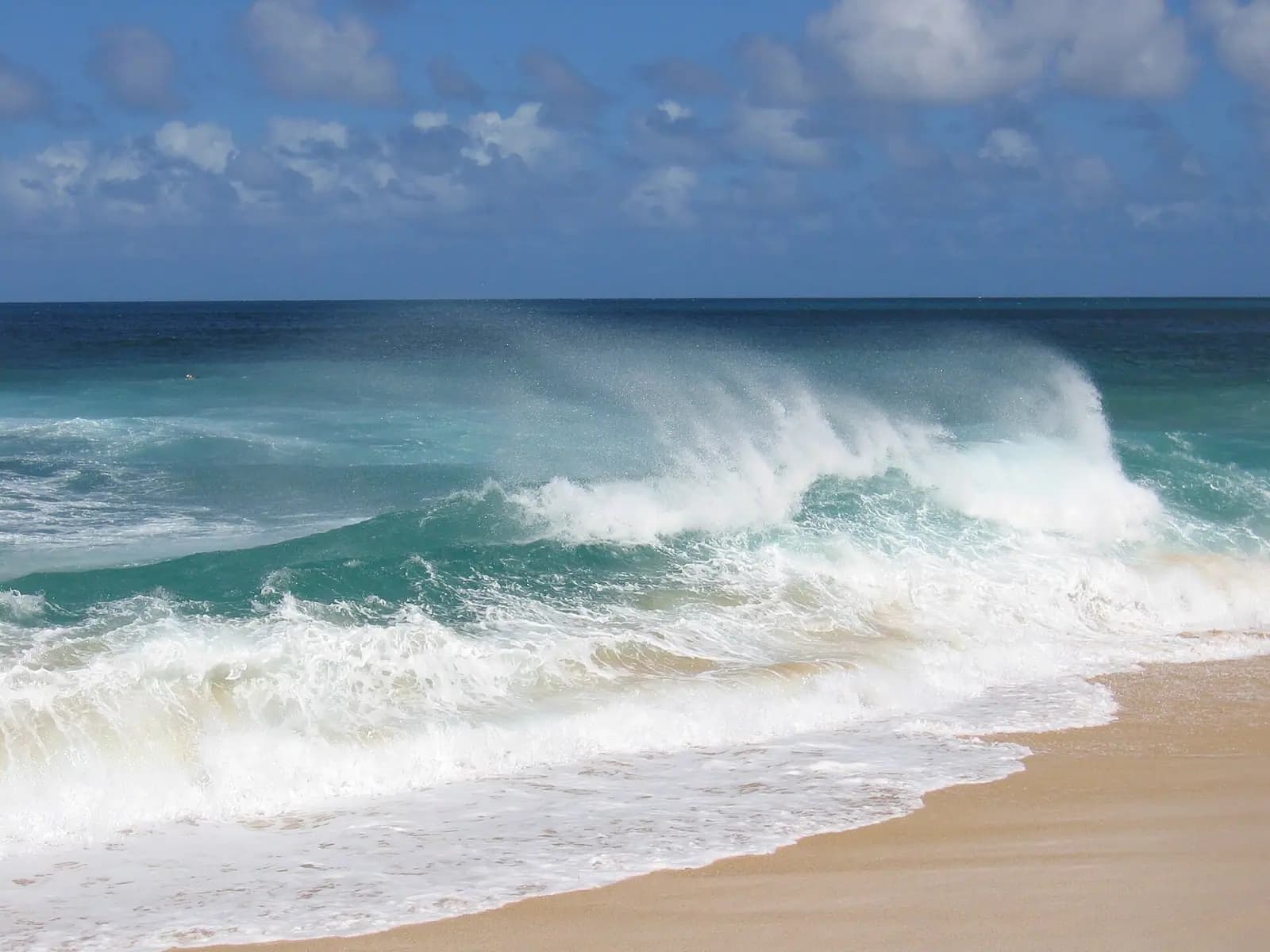
From about November to March, storms thousands of miles north send swell onto this shore in pulses that arrive over a day or two and last for several. Waimea Bay, Banzai Pipeline and Sunset Beach run at twenty to thirty feet and beyond on Hawaiian scale, which measures the back of the wave — so a twenty-foot day on the report is a face of around forty. Honolulu Ocean Safety closes beaches, flies red flags and pulls people out of water they should not have entered. The shorebreak at Waimea injures strong adults in water they can stand up in. Shark's Cove, which in August is the best shore snorkelling on this side of the island and shallow enough for children in the tide pools, is a place people are swept off the rock ledge in January. Several people die on this coast most winters, and a large share of them are visitors who did not know that the beach in the photograph is a different beach in February.

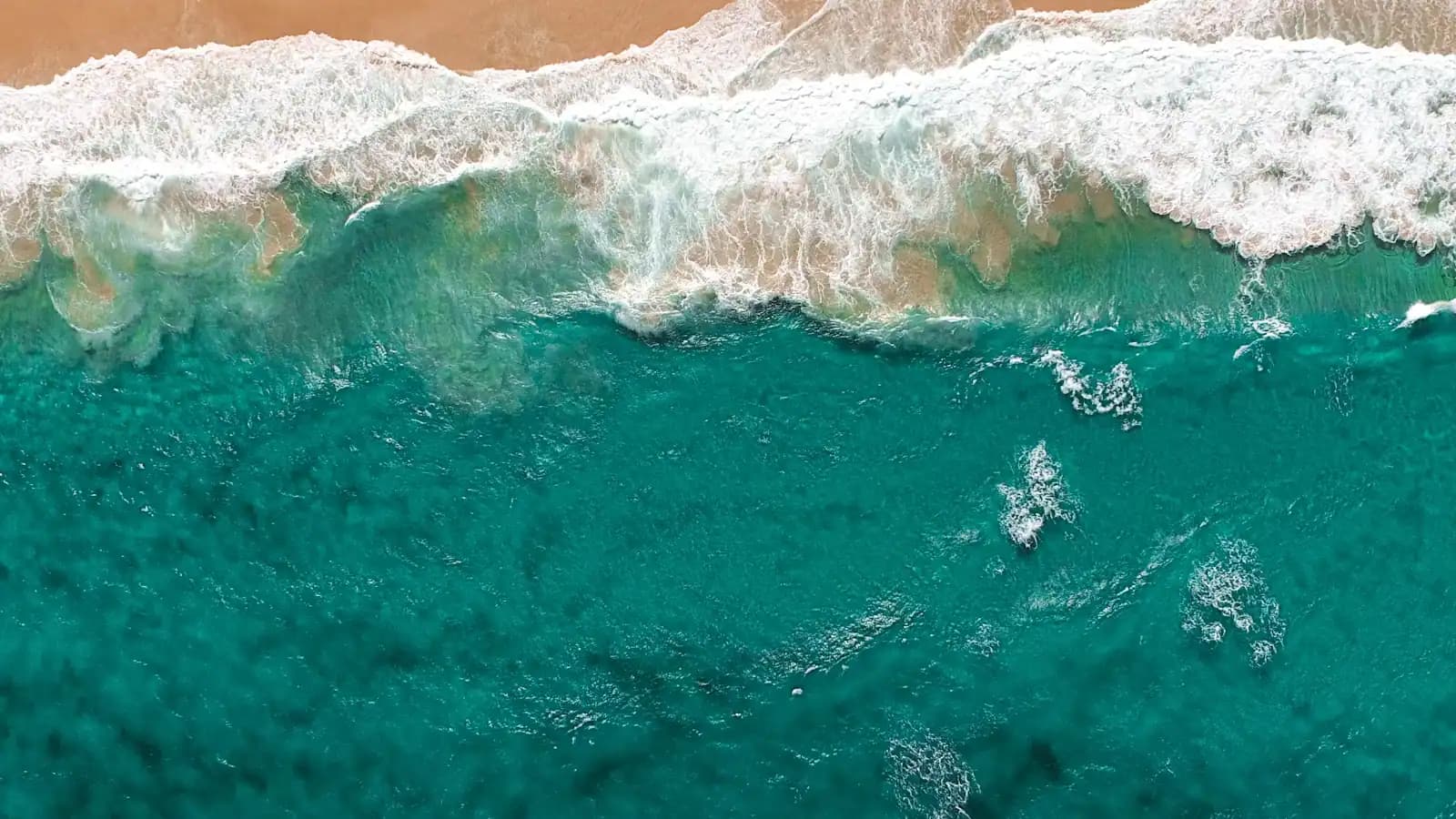
From about May to September, the same coast lies flat. Waimea Bay becomes a wide, calm swimming bay with the jumping rock in use. The reef at Pūpūkea and Three Tables goes clear. The water sits around eighty degrees, June and July are the two driest months of the year here, and the trades blow hard and steadily. This is the North Shore most visitors do not know exists, and if getting in the water is the point of your trip, it is the only correct answer.

The changeover is a forecast, not a date on a calendar. March routinely still takes winter swell. The first serious north swell often arrives in late October, and the character of the entire coast can change inside a week — snorkelling at Three Tables one day, lifeguards closing the beach the next. Any month given below is a probability, and the surf forecast for the day you are standing there overrides all of it.

What does not change much is the air. This is a mild coast: daytime highs run from around 79°F in the depths of winter to the mid-eighties in August, and overnight lows from the mid-sixties to the low seventies. Rain comes in short squalls rather than grey days, with December the wettest month at roughly two and a half inches and June and July comfortably under an inch. Nobody should cancel a North Shore day because of rain. They might well change it because of swell.

The rest of this page breaks it down month by month, separates the swimming answer from the surf-watching answer, and names the weeks that are genuinely quiet — which, on an island where most visitors stay in Waikīkī, are more numerous up here than you would expect.

Our picks

The ones we would book

  • Editor's Pick

    Best trip in the swim season

    Why we chose it

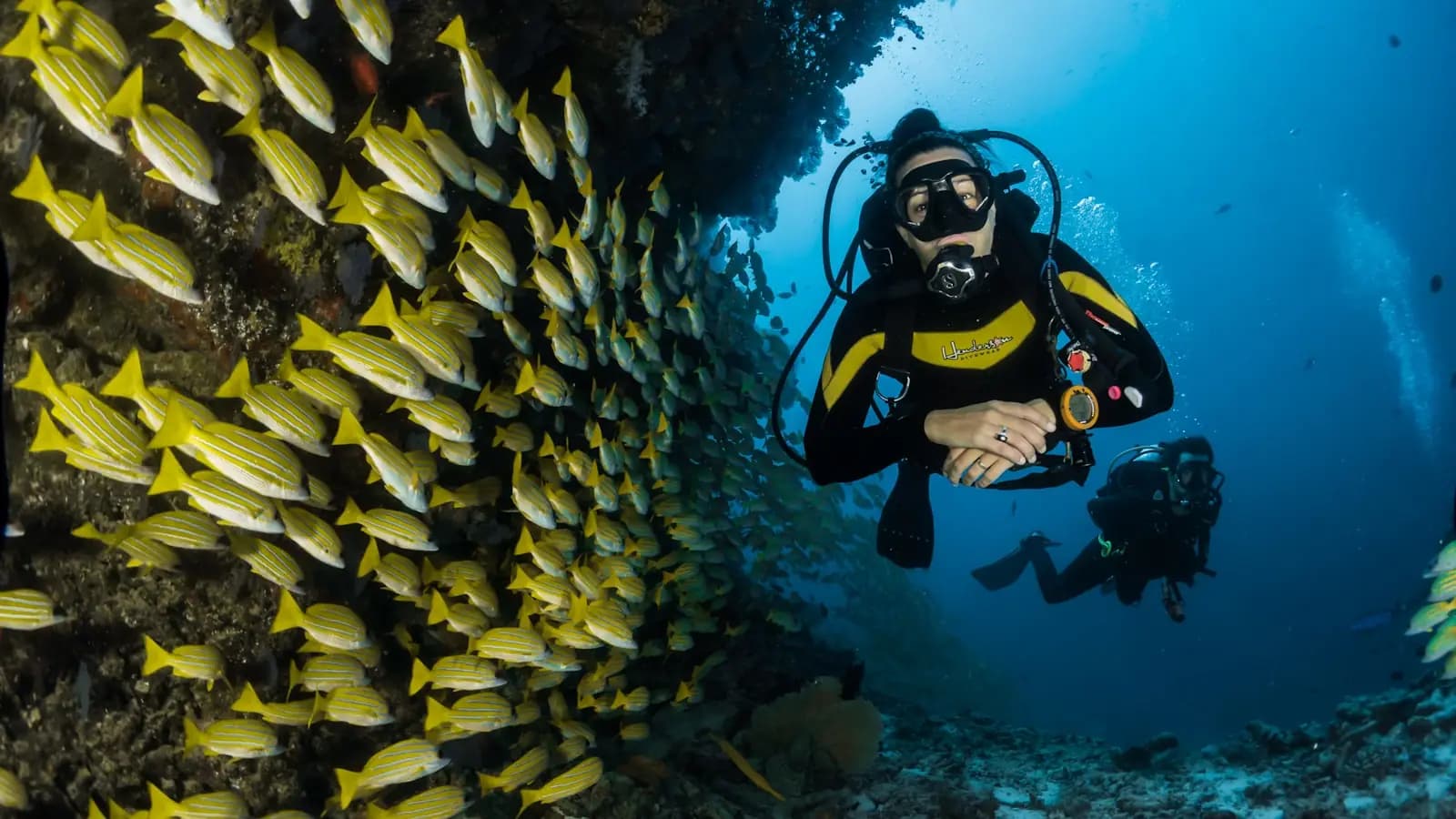
    A summer snorkel or dive charter out of Haleʻiwa Small Boat Harbor, May to September. The boat reaches reef the shore-entry crowd never touches and can move sites if the visibility is poor. This is the trip that does not exist for five months of the year, which is exactly why it belongs at the top of a September itinerary.

    Oahu: Full or Half Day Grand Circle Island Tour
    Editor's PickFree cancellationInstant confirmation

    Plantation Tours

    Oahu: Full or Half Day Grand Circle Island Tour (opens in a new tab)

    19.5K reviews

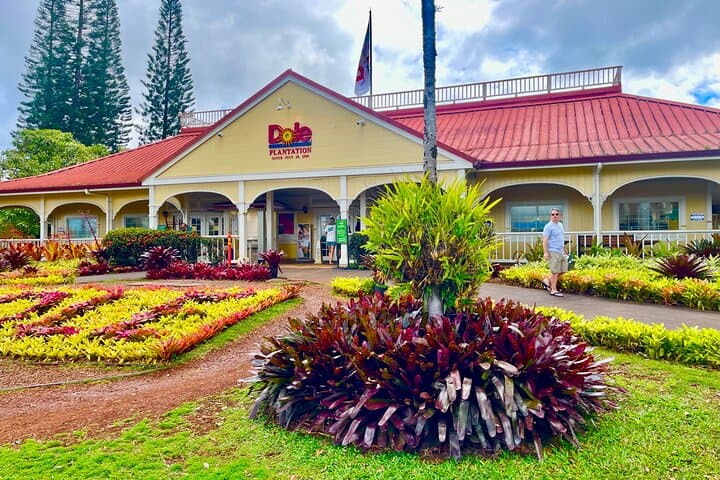
    Choose from two exciting ways to experience Oahu's top attractions, scenic beauty, and local culture. Option 1: Dole Plantation & Haleiwa…

    6–7 hours

    Prices checked

    from $100
  • Sunset

    Best way to use a long summer evening

    Why we chose it

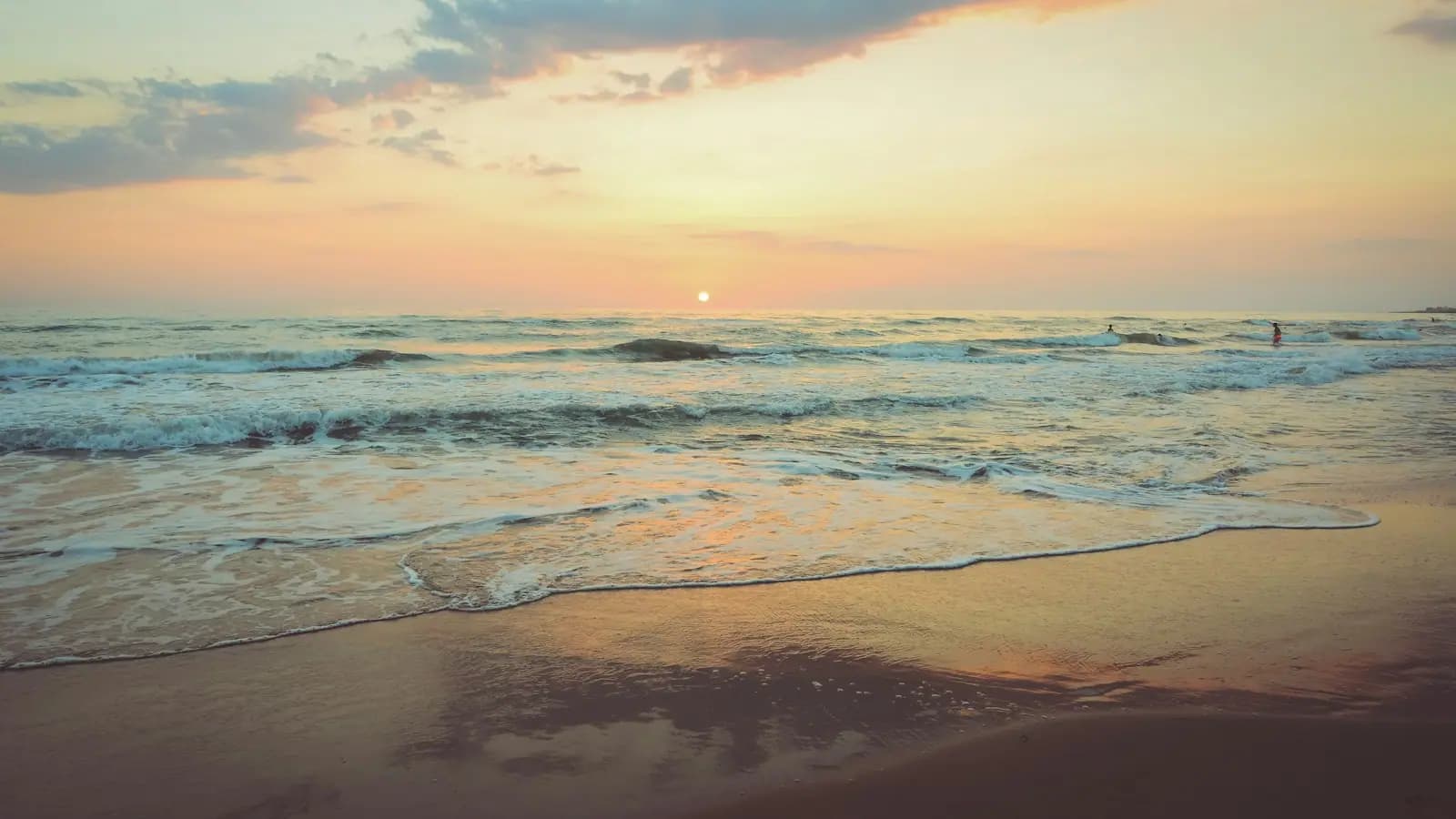
    Because this coast faces north, the sun only sets over water reliably at the western end — and in summer, when it goes down far to the northwest, Sunset Beach earns its name properly. An evening paddle or a sunset sail out of Haleʻiwa in the flat months is a genuinely different experience from the same trip in December.

    WAIMEA BAY
    SunsetFree cancellationInstant confirmation

    Low Supplier Cancellation Rate

    Oahu: Grand Tour Around Island with Snorkeling (opens in a new tab)

    11.1K reviews

    Come join on a circle island adventure led by some of Hawaii’s most knowledgeable local guides and experience breathtaking lookouts to…

    Full day

    Prices checked

    from $89
  • Best Value

    Best winter booking

    Why we chose it

    Waimea Valley, at a mid-twenties adult rate. It is the reliable answer on the many winter days when the ocean is closed: a paved, gently graded walk through a Pacific botanical collection to a waterfall you can swim under in a provided life vest, with the pool's status depending on the day's rain rather than the swell.

  • Top Rated

    Best thing to book in whale season

    Why we chose it

    Humpbacks are in Hawaiian waters from roughly December to April, which lines up exactly with the months the North Shore's own water is shut. Some whale-watch departures run from Haleʻiwa harbour rather than Honolulu. Federal rules keep vessels a hundred yards off, so a good captain shuts the engine down and lets the animals decide.

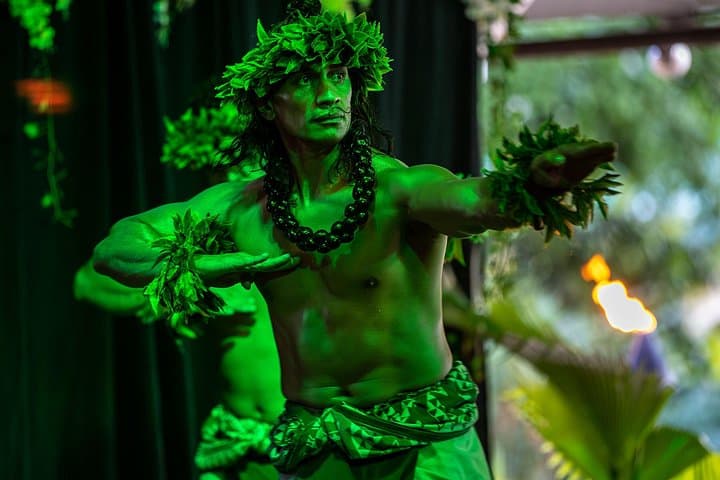
    Roland dancing Hawaiian Kahiko
    Top RatedFree cancellationLikely to sell out

    Curated Catalog

    Toa Luau at Waimea Valley, Oahu (opens in a new tab)

    3.8K reviews

    Toa Luau invites you to immerse yourself in the beauty and excitement of Polynesia on Oahu’s historic North Shore! Book any one our 3 Luau…

    3 hours

    Prices checked

    from $145
  • Small Group

    Best shoulder-season day out

    Why we chose it

    In April and October the coast can do either thing on any given morning, which is the strongest argument for a small-group van over a fixed coach route. A driver who works this road daily reorders the stops around the swell, so a flat day becomes a reef day and a big day becomes a spectating day.

If you want to get in the water

When to go

Book between May and September, and the narrow best answer is June through early October.

Why those months. The north swell is off, the reef at Shark's Cove and Three Tables is visible from the surface, Waimea Bay is swimmable, and the water reaches about eighty degrees by late summer. June and July are the driest months of the year here, so visibility over the reef holds — heavy rain on the Koʻolau slopes muddies the water at stream mouths for a day or two afterwards.

Why September and early October are the sharp answer. The ocean is at its warmest, the summer flat spell usually holds into the first half of October, and rates and crowds drop hard once the school holidays end. Haleʻiwa takes ten minutes to drive through rather than forty. For anybody not tied to a school calendar these are the best weeks on this coast.

What still applies in summer. Rip currents run out through the reef channels at Pūpūkea even on flat days. Snorkel with somebody, look up every few minutes to see where the current has put you, and wear water shoes, because every entry on that reef is sharp lava with urchins in the cracks. Low tide over the reef flat at Three Tables turns a swim into a scramble, so check the tide as well as the swell.

Where to swim in winter if you have no choice. The sheltered coves beside Turtle Bay at the northeastern corner, the protected end of Kawela Bay, and Mālaekahana near Lāʻie are the realistic options, and even they are conditions-dependent. Otherwise, drive to the south shore, which is on the other side of the island's swell window and frequently calm on the day the North Shore is closed.

If you came to watch the surf

When to go

Come between mid-November and February, and accept that the best day is whichever one the swell picks.

The window. North Pacific storms generate the swell, and it arrives in pulses. A big one builds over a day, runs for two or three, and fades. Forecasters call it several days out, which is why the contests use waiting periods rather than dates.

The Vans Triple Crown has recently run its waiting period from roughly mid-November into December across three venues: the opening event at Haleʻiwa Aliʻi Beach Park, then Sunset Beach, then Pipeline off Ehukai. Format and sanctioning have changed more than once over the years, so check the current calendar rather than a date you read somewhere. Watching from the sand is free.

The Eddie — the Eddie Aikau Big Wave Invitational at Waimea Bay — runs only when the swell holds at twenty feet Hawaiian, which means faces of roughly forty. It has been held a handful of times since 1984. If it is called while you are here, change your plans; and expect the entire island to be on that road.

How to actually watch. Ehukai Beach Park for Pipeline, the cliff above Waimea Bay or the bay's own lot for Waimea, and the long beach at Sunset. Arrive before eight on a big day. Bring water, sun cover and patience — there is no shade at any of them. Stay well back from the waterline: the shorebreak reaches further up the sand than it looks, and people are dragged in while taking photographs every season.

A quieter alternative. On any decent winter swell that is not a contest day, the same waves are breaking with a fraction of the crowd. The surf report does not need a contest to be worth watching.

Crowds, prices and the weeks that are genuinely quiet

What it costs

Oʻahu's demand curve is set by Waikīkī, and the North Shore inherits it with a lag.

Peak. Mid-December to early January, and mid-June to mid-August. Christmas and New Year price like Waikīkī and book months out; summer brings the island-wide school holidays and the longest queue through Haleʻiwa. Waimea's car park is gone by nine in July.

High. February and March, on winter surf and spring break, plus the Thanksgiving week and any weekend with a contest call.

Low, and the best value. September, October and the first half of November, plus late April and early May. Rates across the island drop once the summer holidays end and stay down until Thanksgiving. On this coast the difference is visible on the road rather than only on a hotel bill.

Accommodation reality. There is one large resort on the whole North Shore, at Turtle Bay, rebranded under the Ritz-Carlton flag in 2024. Everything else is small: vacation rentals in Pūpūkea and Sunset, a few inns and hostels around Haleʻiwa, and the campgrounds at Mālaekahana. Supply is thin, so the difference between a September booking and a July one is larger here than in Waikīkī.

Day-trip costs do not move much with the season, because almost everything on this coast is free. What changes is how early you have to leave Waikīkī to park: seven in the morning in July, eight in October, and on a big winter swell day, earlier than either.

Rain, trades, vog and hurricanes

Rain here is a squall pattern, not a season of grey. Showers blow through in fifteen or twenty minutes and the sun returns; December is the wettest month at roughly two and a half inches, and June and July sit comfortably under an inch. Do not cancel a day for rain. Do notice that the Koʻolau slopes a mile inland are substantially wetter than the beach strip, so a downpour over the mountains can silt up the water at stream mouths for a day or two without a drop falling on the sand.

The trades blow from the northeast most of the year and are what makes the mid-eighties comfortable. They build through the day, which is why morning is better for anything on the water. When they drop — the muggy, still days locals call Kona weather — the air gets heavy and the humidity is noticeable.

Vog. Volcanic haze from Kīlauea on Hawaiʻi Island occasionally drifts up the chain, most often when the trades weaken, and thickens the air for a day or two. It affects visibility and can matter to anyone with asthma. The state publishes air quality advisories; check them rather than guessing from the horizon.

Hurricane season in the central Pacific runs from June to the end of November. Direct hits on Oʻahu are rare. What is more common is a system passing well to the south generating a large south swell and unsettled conditions for several days under an otherwise clear sky. Book refundable accommodation and flights in those months if you can.

Sun. This is 21 degrees north with hard trade-wind cooling, a combination that burns people who do not feel hot. Reapply after every swim, and buy the bottle once you are here rather than packing one: no shop in the state may sell or hand out a sunscreen containing oxybenzone or octinoxate without a prescription, so what the shelves at Haleʻiwa carry is zinc oxide and titanium dioxide. Note what that law is and is not. It governs the sale, not the wearer — Maui County separately regulates use, Oʻahu does not — so a chemical sunscreen carried over from the mainland is legal on this island and still the wrong thing to swim over a reef in.

The best weeks, ranked

Local tips

1. Mid-September to mid-October. The warmest water of the year, the summer flat spell usually still holding, the lowest rates, and a coast that has emptied out. If you want to snorkel and you can travel outside school holidays, book here.

2. Late April to late May. The switch has usually flipped, the water is opening up, rainfall has dropped away and the island sits between spring break and the summer holidays. Slightly cooler water than September, considerably cheaper than July.

3. Mid-November to early December. For the surf. The season has turned, the Triple Crown waiting period is open, the contest traffic has not yet become the Christmas traffic, and rates are still in the low band until Thanksgiving.

4. June to August. Objectively the best water of the year and the hardest logistics. If you are tied to school holidays this is a fine trip — just leave Waikīkī by seven and accept that you are sharing every lot.

5. January and February. Extraordinary if you came to watch the ocean, frustrating if you came to be in it. Bring the winter version of the itinerary: Waimea Valley, the heiau, Haleʻiwa, Kahuku, Lāʻie, and the sheltered coves at Turtle Bay for any actual swimming.

Worth avoiding if you can. The fortnight around Christmas and New Year, when rates peak and the road is at its worst, and the last two weeks of March, when spring break puts a lot of people on a coast whose water is often still shut.

Book it

Everything else we track

Some links below go to Viator, our booking partner. We earn a commission on bookings made through them — at no extra cost to you, and with no influence on what we recommend.

  • Oahu Shark Dive on the North Shore
    Free cancellationInstant confirmation

    Excellent Quality

    Oahu Shark Dive on the North Shore (opens in a new tab)

    3.2K reviews

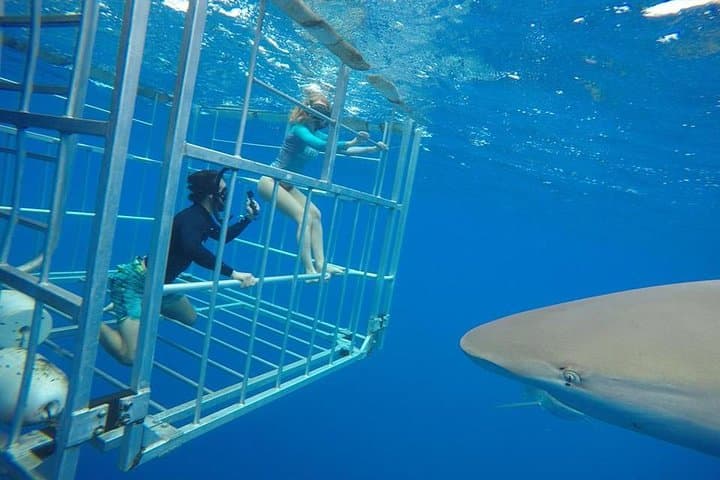
    Book the Oahu Shark Dive for a thrilling shark encounter off the North Shore. You’ll travel by boat from Haleiwa Harbor, then view sharks…

    1–2 hours

    Prices checked

    from $99.48

The only distinction that matters

Before you book

Surf season, roughly November to March. The coast is a spectator sport. Beaches close for days at a time. The Vans Triple Crown runs its waiting period across Haleʻiwa, Sunset and Pipeline from about mid-November into December — it is a waiting period rather than a fixture list, and the call goes out when the waves arrive. The Eddie Aikau Big Wave Invitational at Waimea only runs when the swell holds at twenty feet Hawaiian, a condition met a handful of times since it began in 1984. What works in this season: watching, Waimea Valley, Puʻu o Mahuka Heiau, Haleʻiwa town, the Kahuku trucks, the Polynesian Cultural Center, the sheltered coves at Turtle Bay, and whale watching offshore from around December.

Swim season, roughly May to September. The north swell shuts off. Shark's Cove, Three Tables and the Pūpūkea reef are open and clear, Waimea Bay is a swimming bay, and the water is around eighty degrees. What is harder in this season: parking, because the whole island is at peak demand, and the queue through Haleʻiwa, which is at its longest.

The shoulders, April and October. Genuinely unpredictable and often excellent. April can go either way in the first fortnight and is usually settled by the end. October frequently holds the summer flat spell into the first half of the month and then turns, sometimes abruptly.

How to check. Read a surf forecast for the north shore of Oʻahu, not an island-wide weather forecast, and read it the evening before. In winter it tells you whether the beaches will be open. In summer it tells you whether the snorkelling will be clear. Ocean Safety's signage and the lifeguard tower are the final word in either season.

Month by month

How they compare

Rounded coastal normals for Haleʻiwa. The water column is the one to read.

MonthHigh / LowRainThe waterCrowds
January79 / 65Wet, squallsClosed often. Peak big-wave seasonHigh, then quieter
February79 / 65Wet, squallsClosed often. Big swell continuesModerate
March80 / 66EasingStill winter more often than notSpring break spikes
April81 / 68Drying fastThe switch usually flipsModerate
May82 / 69DryReliably swimmable at PūpūkeaModerate, good value
June84 / 71DriestFlat and clear. Best snorkellingRising
July85 / 72DriestFlat and clearPeak
August86 / 73DryFlat and clear. Warmest airPeak
September85 / 72DryWarmest water, around 80°FFalling sharply
October84 / 71RisingFlat to mid-month, then turnsLow. The quiet weeks
November82 / 69RisingThe season turns. Triple Crown opensContest traffic
December80 / 67Wettest, around 2.5inClosed often. Big surfHigh from mid-month

Two caveats. Rain arrives as twenty-minute squalls, so a "wet" month is not a washout, and the Koʻolau slopes behind the coast are wetter than the beach strip. And the crowd column describes the North Shore rather than Oʻahu: this coast empties in September and October while Waikīkī is still busy.

On the ground

Where to go

Every place below has its own page — hours, parking, what it costs and what to expect when you get there.

  • Heavy winter surf breaking across the mouth of a bay between two lava headlands
    Free

    Beach

    Waimea Bay

    Flat enough to swim across in July, closed by thirty-foot faces in January. The North Shore's seasonal flip at its most extreme.

    1.5–5 hoursFree, including parking. The lot is small and fills early.

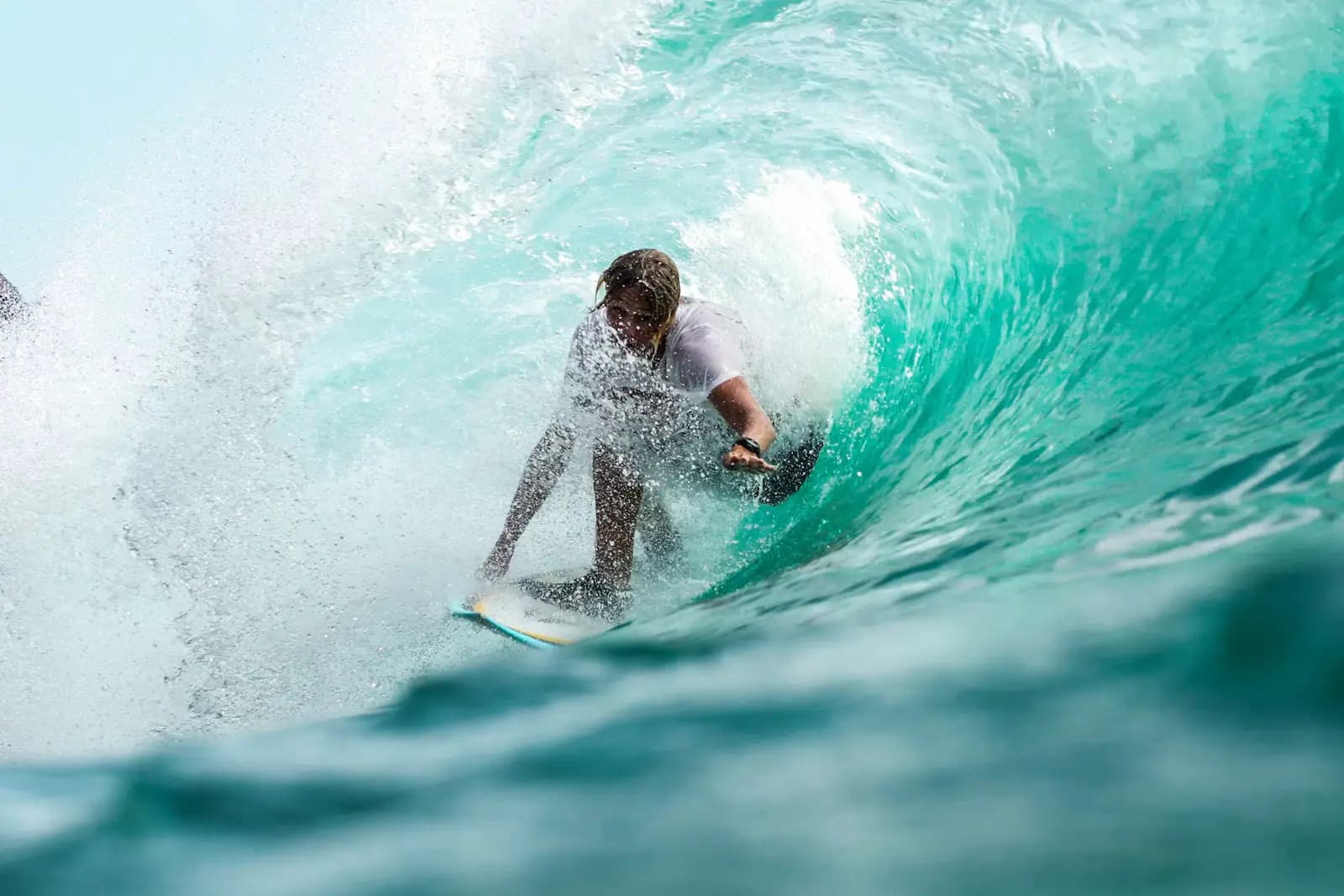
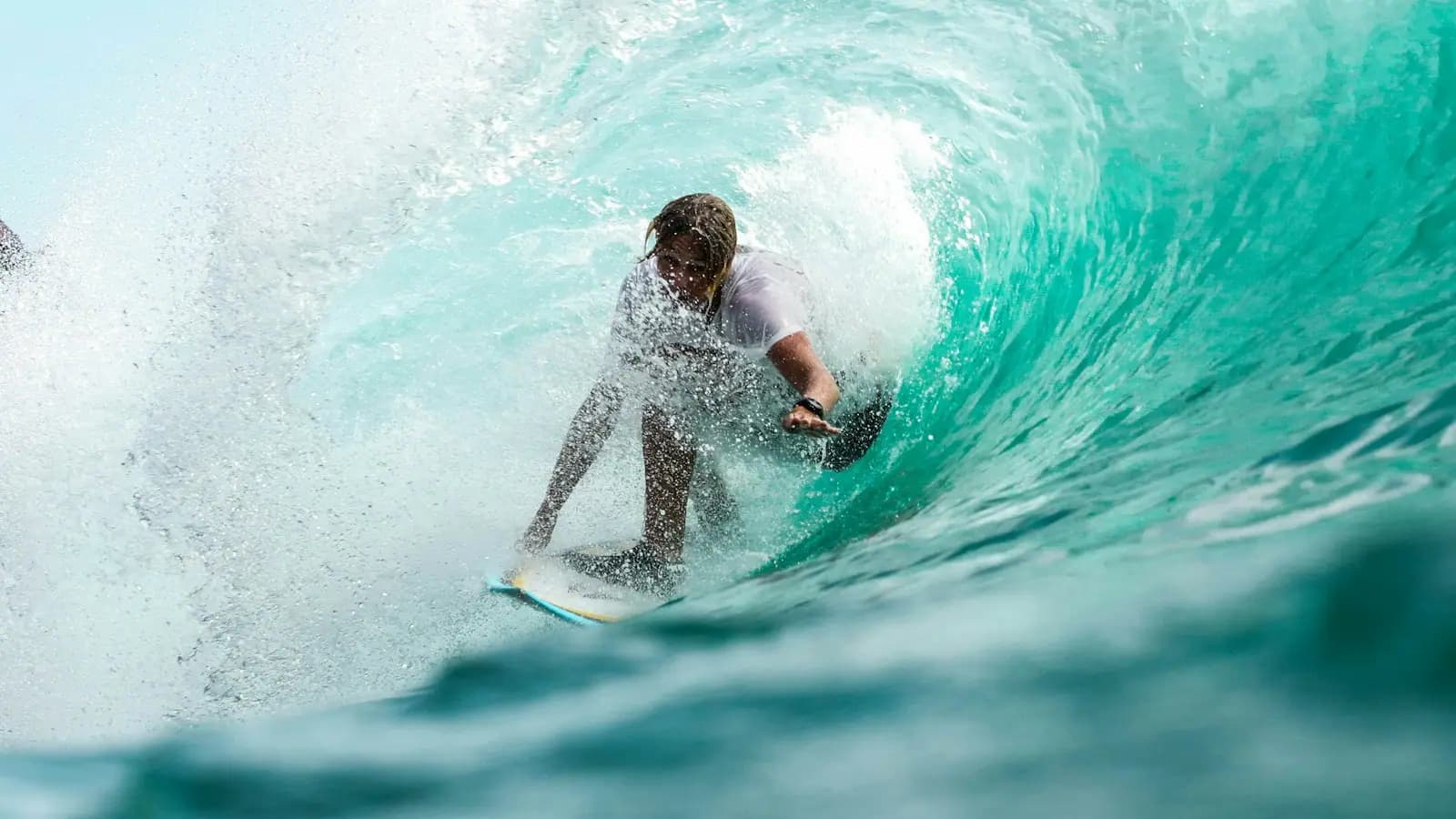
  • A surfer inside the barrel of a hollow wave breaking over shallow reef
    Free

    Water feature

    Banzai Pipeline

    A hollow left breaking over shallow lava a short paddle offshore: the most dangerous wave in surfing, and a free grandstand in December.

    1–3 hoursFree to watch from ʻEhukai Beach Park. Parking is free but there is very little of it.

  • Reef fish moving over shallow lava structure in very clear water close to shore
    Free

    Beach

    Shark's Cove

    The best shore snorkelling on Oʻahu for four months of the year, and one of the most dangerous places on the island for the other four.

    1.5–4 hoursFree, with free parking in the beach park lot and along the highway.

  • A wide sandy beach with large surf breaking offshore and ironwood trees along the back of the sand
    Free

    Beach

    Sunset Beach Park

    Two miles of sand that swallows swimmers in January and lets you snorkel off it in July, with a car park that fills by nine.

    1–4 hoursFree. County beach park with free parking in the beach-front and support-park lots.

  • A waterfall dropping into a deep green pool at the head of a forested valley

    Park

    Waimea Valley

    A paved three-quarter-mile walk through botanical collections to a waterfall pool you may swim in. Life jacket required, lifeguard's call.

    2–3.5 hoursPaid admission, in the mid-twenties per adult at the time of writing, with lower rates for seniors, students and children and discounts for kamaʻāina and military with ID.

  • Low sun dropping towards the ocean at the end of a long open beach
    Free

    Beach

    Sunset Beach

    Two miles of sand the winter ocean removes and the summer ocean puts back, with the coast's most notorious rip running through it.

    1–4 hoursFree, with a free lot that is larger and more reliable than anything else on this stretch.

  • A green sea turtle resting on wet sand at the edge of the water
    Free

    Wildlife

    Laniākea Beach

    Green sea turtles haul out on this sand most days: federally protected, roped off by volunteers, ten feet away from you at the closest.

    0.5–1 hoursFree. Parking is free, informal and genuinely hazardous.

  • A small sheltered cove of calm shallow water held behind an offshore reef
    Free

    Beach

    Turtle Bay

    The coast's only large resort — and under Hawaiʻi law its best swimming cove and its coastal trails are open to everyone.

    2–6 hoursThe beaches and coastal trails are free and public. Golf, riding, dining and spa services are resort-priced.

  • A surfer riding a fast right-hand wave peeling off a shallow reef near a harbour entrance
    Free

    Beach

    Haleʻiwa Aliʻi Beach Park

    A professional contest break at one end, a sheltered pool for small children at the other, and the coast's lifeguard base in between.

    1–4 hoursFree, including during the winter contest. Parking is free in the beach park lot.

  • Flat reef slabs breaking the surface of shallow clear water off a small sand beach
    Free

    Beach

    Three Tables Beach

    Sand underfoot instead of a lava scramble, half the crowd of Shark's Cove, and three flat reef slabs that surface at low tide.

    1–3 hoursFree, with free roadside parking and no facilities.

Straight answers

Questions people actually ask

What is the best month to visit Oʻahu's North Shore?

September, for most people. The ocean is at its warmest of the year at around eighty degrees, the summer flat spell usually holds into early October, rates drop once the school holidays end, and the road empties out enough that Haleʻiwa takes ten minutes rather than forty. If you came to watch big surf instead, mid-November to February is the answer, and the two do not overlap.

When is big wave season on the North Shore?

Roughly November to March, with the biggest swells usually between December and February. North Pacific storms send swell onto this coast in pulses that build over a day and run for two or three. Waimea Bay, Banzai Pipeline and Sunset Beach break at twenty to thirty feet and more on Hawaiian scale, which measures the back of the wave — so those are faces of forty feet and up. Beaches close regularly during it.

Can you swim on the North Shore in winter?

Mostly no, and it is genuinely dangerous to try at the famous beaches. Lifeguards close Waimea, Ehukai and Sunset for days at a time between November and March, and the Waimea shorebreak injures adults in knee-deep water. The realistic winter options are the sheltered coves beside Turtle Bay, the protected end of Kawela Bay and Mālaekahana near Lāʻie — and even those depend on the day. Otherwise, drive to the south shore.

When can you snorkel at Shark's Cove?

Roughly May to September, when the north swell is off. In those months the Pūpūkea reef is calm and clear, and the tide pools are shallow enough for children. Outside them it is one of the more dangerous places on the island: surf breaks over the ledge and people are swept off the rock every winter. Check the surf forecast the evening before, wear water shoes in any season, and check the tide as well.

What is the weather like on the North Shore?

Mild and consistent. Daytime highs run from about 79°F in midwinter to the mid-eighties in August, with overnight lows in the mid-sixties to low seventies. Rain arrives as short squalls rather than grey days: December is wettest at around two and a half inches, June and July comfortably under an inch. The trades blow from the northeast most of the year and build through the day. Nobody should cancel a day here for rain.

When is the Vans Triple Crown of Surfing?

It runs as a waiting period rather than on fixed dates, recently from roughly mid-November into December, across three venues: Haleʻiwa Aliʻi Beach Park, then Sunset Beach, then Pipeline off Ehukai. Competition starts when the waves arrive, often with only hours of notice. The format and sanctioning have changed more than once, so check the current calendar. Watching from the sand costs nothing, and a contest call fills this road.

Is the North Shore crowded?

Less than Waikīkī, and far more than its reputation suggests in summer. June to August is peak: the lots at Waimea, Laniākea, Ehukai and Sunset fill before mid-morning and the queue through Haleʻiwa can add half an hour each way. September and October are the quiet weeks — the road clears and the rates fall. A winter contest call can also put several thousand people on this coast with a few hours' warning.

How many days should you spend on the North Shore?

One day covers one end of the coast if you leave Waikīkī by seven. Two or three nights staying up here is the version that works, because the ocean decides the order of your days and the only reliable answer to the parking problem is an early morning. If the Polynesian Cultural Center at Lāʻie is on your list, give it its own afternoon and evening — it is forty minutes past Haleʻiwa.