Beach
Sunset Beach
Two miles of sand the winter ocean removes and the summer ocean puts back, with the coast's most notorious rip running through it.
1–4 hoursFree, with a free lot that is larger and more reliable than anything else on this stretch.

Things to Do
North Shore food trucks, from the Kahuku shrimp strip to Haleʻiwa: who farms their own prawns, what a plate costs, and why everything shuts before dinner.
The shrimp trucks are an agricultural story before they are a food story, and knowing that changes what you order. Kahuku was a sugar plantation town — the Kahuku Plantation Company milled cane here from the 1890s until the mill shut in 1971, and when it went, it took the town's reason for existing with it. What replaced it, slowly, was aquaculture. The flat coastal plain behind the highway holds a grid of brackish ponds, and by the 1980s and 1990s people were raising shrimp and freshwater prawns in them. Somebody parked a truck at the roadside to sell what came out. Thirty-odd years later, that truck is the reason a large fraction of everyone who drives this coast stops in Kahuku.
The geography is absurdly simple. Kamehameha Highway runs two lanes through Kahuku, and over a stretch of maybe a mile and a half there are trucks, stands and lean-tos on both shoulders. Giovanni's is the famous one, its panels covered in decades of visitors' marker pen, and it is the original — the business started as a single truck in the early 1990s and effectively invented the garlic shrimp plate as an Oʻahu institution. A few minutes along, Romy's and Fumi's sit beside their own ponds, which is the meaningful difference: their prawns were in the water that morning, while the bigger operations buy in. Neither approach is wrong. They produce different plates and the queues reflect different things.
Haleʻiwa has its own cluster, twenty-odd miles in the other direction, and it is not a lesser version. Big Wave Shrimp and a handful of others work the town end, the original Giovanni's spot is still up that way, and the shave ice and poke that go with them are better in Haleʻiwa than anywhere else on the coast. Between the two ends sit the things that are not trucks but belong in the same conversation: Ted's Bakery at Sunset Beach, which is a bakery-cum-plate-lunch counter and the source of the chocolate haupia cream pie the whole island argues about, and Kahuku Farms, which is a working family farm with a café attached.
Two practical realities run through all of it. Prices have moved: a garlic shrimp plate that people remember as $12 now typically lands somewhere in the high teens to mid-twenties, and the value comparison with a Waikīkī restaurant is still overwhelmingly in the truck's favour. And the North Shore keeps farm hours. Most of these places are lunch operations. By seven in the evening, particularly outside Haleʻiwa, a great deal of this coast has closed for the day, and a visitor who assumed dinner would sort itself out is driving in the dark looking for a Foodland. Plan the day around lunch here, not around dinner.
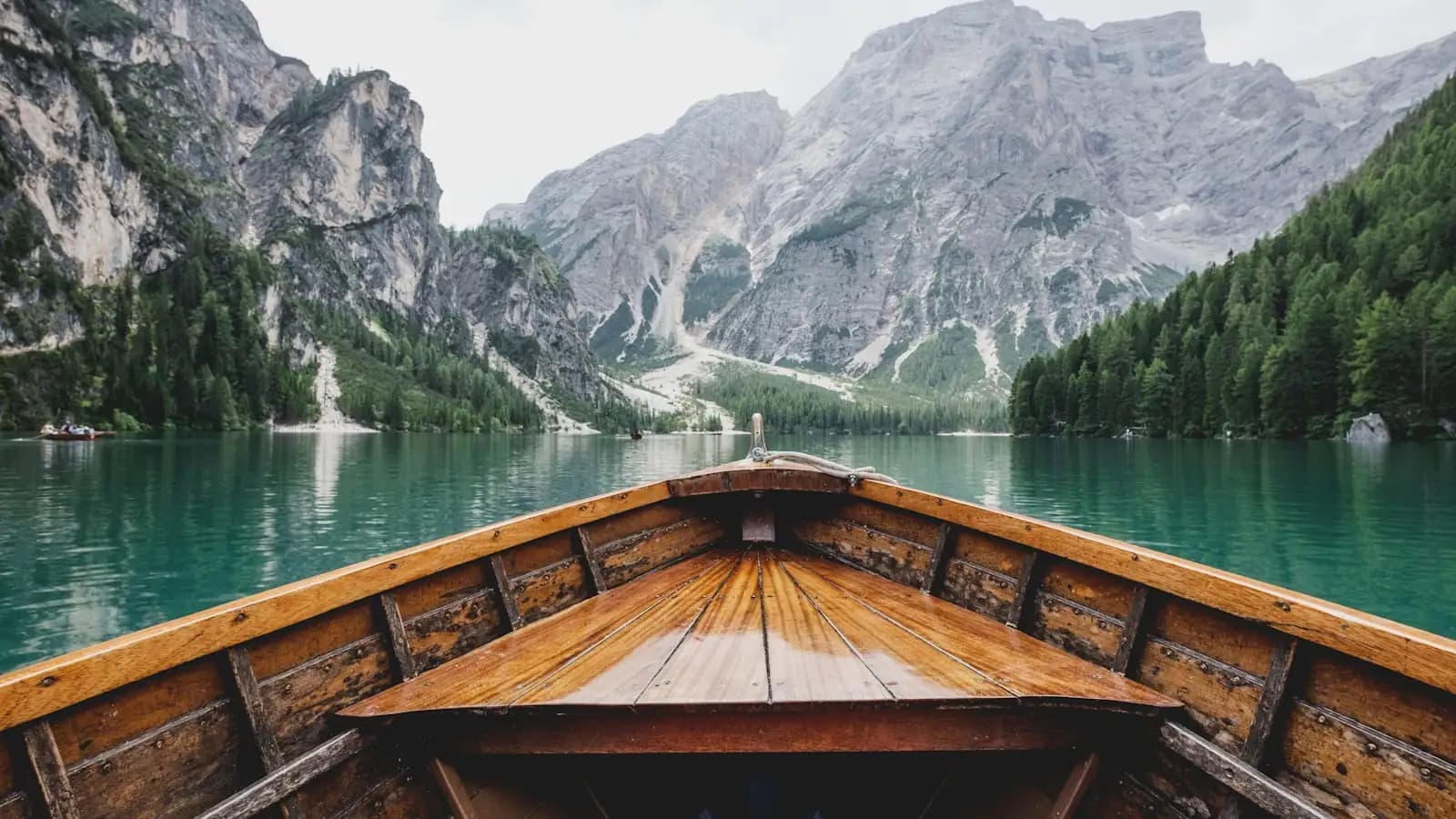
Sugar built this end of Oʻahu and then left it. The Kahuku mill ran for roughly eighty years and closed in 1971; the Waialua mill at the other end of the coast held on until 1996. What both towns had afterwards was infrastructure with no crop: irrigation, flat land, a highway, brackish water where the fields met the sea.
Aquaculture filled some of that gap. The ponds behind Kamehameha Highway at Kahuku raise shrimp and Malaysian freshwater prawns, and the roadside stands began as a way of selling what did not go to wholesalers. That is why the plate you get is so unvarnished: twelve shrimp, two scoops of rice, a pool of garlic butter, a paper plate, a picnic table under a tarpaulin. Nobody designed it as an experience. It became one.
It is worth knowing which trucks farm and which buy. Romy's and Fumi's operate alongside their own ponds and sell what they pull out, which is why their prawns are sometimes served head-on and shell-on and why their menus shift. Giovanni's works at a volume that requires a wholesaler, sourcing locally when the supply is there and further afield when it is not. The head-on, shell-on plate takes work to eat and tastes of the pond; the peeled garlic plate is easier and tastes of the butter. Order according to which of those you actually want.
The other thing sugar left behind is the town itself. Kahuku still has plantation-era housing, a hospital, a school with a football team that people on this island take very seriously, and a population that has watched the traffic outside grow every year. The trucks are a livelihood, not a theme park.
Twenty-two miles of two-lane highway separate Kahuku from Haleʻiwa, and the food changes character along the way. Haleʻiwa is a town with a harbour, a post office and a supermarket, so it supports sit-down restaurants as well as trucks, and the trucks there lean broader: garlic shrimp, yes, but also poke bowls, Thai, acai, tacos, and the shave ice that the town is genuinely famous for.
Big Wave Shrimp works the town end and is the usual Haleʻiwa answer to the garlic shrimp question. The original Giovanni's pitch is up this way too. Around them sit the Haleʻiwa Store Lots and North Shore Marketplace, both of which have car parks, restrooms and a cluster of counters, which makes them the practical lunch stop if you have children or a group that cannot agree.
Shave ice is its own argument and it is worth having. Matsumoto has been on this street since 1951 and is the name everyone arrives knowing; Aoki's is directly across the road and around a corner, family-run since 1981, and a lot of people who live here quietly prefer it. Both use fine ice and house syrups, both do the azuki bean and ice cream at the bottom, and the queue at Matsumoto is longer chiefly because of the sign outside.
The other Haleʻiwa thing worth building a stop around is poke. The supermarket counter in town outsells most restaurants on this coast, and a pound of ʻahi with rice from a cooler bag, eaten on the sand at Haleʻiwa Beach Park, is a better lunch than most things you can queue for.
What it costs
Bands, not quotes. Menu boards on this coast are hand-written and change.
Two things to plan for. Cards are widely accepted now, but not universally, and the ATM situation on this coast is thin — carrying $40 in small notes removes the problem entirely. And portions are large in a specific way: the shrimp plate is enough for most adults, but the rice is the bulk of it, so a party of four ordering four plates usually ends up carrying one home.
For context, a plate here sits well under half what a comparable seafood lunch costs in Waikīkī, and the Oʻahu tour market's median booking price of around $109 will buy roughly five of them. That is the one respect in which the North Shore is straightforwardly cheaper than the rest of the island.
When to go
The trucks keep daylight hours and the coast keeps farm hours. This catches out almost everyone staying up here for the first time.
If you are driving up from Waikīkī for the day, the efficient shape is: leave early, do the water or the walk first, eat at the Kahuku end around 2pm when the queue has gone, then work back down the coast toward Haleʻiwa for shave ice before the traffic builds. If you are staying up here, treat the supermarket in Haleʻiwa as part of your plan, not a failure of one.
Local tips
The Kahuku strip is a highway shoulder with businesses on it, and the friction is entirely predictable.
One more thing. The picnic tables behind these trucks are where people who work on this coast eat lunch. Leave the table when you have finished rather than sitting on it for an hour, and do not photograph strangers eating.
Book it
We could not find tours matching this right now
Nothing came back for North Shore food tour. Operators add and retire experiences constantly, so this list changes week to week. Try a broader category, or come back in a day or two.
How they compare
Operators on this stretch move, change hands and occasionally lose leases. Treat this as a map of the strip rather than a guarantee, and check that a specific truck is trading before you drive an hour for it.
| Where | What it is | Order | Worth knowing |
|---|---|---|---|
| Giovanni's | The original, graffiti-covered, always a queue | Garlic shrimp; hot-and-spicy if you mean it | Highest volume on the strip. Peak queue 11.30am–1.30pm |
| Romy's | Family operation beside its own prawn ponds | Butter garlic prawns, sweet chilli prawns | Head-on and shell-on. Messy, and the point |
| Fumi's | A stand rather than a truck, next to its own farm | Shrimp scampi, spicy garlic | Shorter queue than Giovanni's most days |
| Other Kahuku stands | Several trade under Kahuku or Famous Kahuku names | Compare the boards before committing | The strip changes; new stands appear, old ones move |
| Kahuku Farms | Working farm with a café and a wagon tour | Lilikoi butter on grilled bread, açaí bowl | Closed some weekdays — check the day |
| Ted's Bakery, Sunset Beach | Bakery and plate lunch counter, not a truck | Chocolate haupia cream pie; garlic shrimp plate | Sells out of pie. Earlier is better |
If you want one stop and one plate, Giovanni's is the safe answer and the queue moves faster than it looks. If you want the better shrimp, go to whichever of the pond-side operations is trading that day. If you want lunch plus something to do, Kahuku Farms is a farm you can walk into rather than a layby.
On the ground
Every place below has its own page — hours, parking, what it costs and what to expect when you get there.

Beach
Two miles of sand the winter ocean removes and the summer ocean puts back, with the coast's most notorious rip running through it.
1–4 hoursFree, with a free lot that is larger and more reliable than anything else on this stretch.

Neighbourhood
The coast's only real town, and the traffic jam that decides your whole day. Shave ice, surf shops, galleries, and everything shut by nine.
1–3 hoursFree to visit. Parking is free in the shop lots and on the street.

Dining district
Shrimp farms that grew a kitchen, strung along two miles of a former sugar town. Order it shell-on and accept the garlic.
1–2 hoursFree to visit; you pay for what you eat. A garlic shrimp plate with rice is a mid-range plate-lunch price rather than a snack price.

Beach
The coast's only large resort — and under Hawaiʻi law its best swimming cove and its coastal trails are open to everyone.
2–6 hoursThe beaches and coastal trails are free and public. Golf, riding, dining and spa services are resort-priced.

Dining district
A roadside bakery counter near Sunset Beach whose chocolate haupia pie is the most exported thing on this coast.
20–45 minutesCounter service. A slice of pie is a few dollars; a plate lunch is a cheap, large meal by any standard. Whole pies are sold to take away.

Dining district
A 1951 plantation-town grocery that became the most photographed queue on Oʻahu's North Shore.
0.5–1 hoursA few dollars for a cup, more with ice cream, azuki beans and a snow cap. Merchandise is sold alongside.

Neighbourhood
A plantation town that lost its mill in 1996 and turned the tower into a soap factory, two miles and one world from Haleʻiwa.
1–2 hoursFree. There is no gate, no ticket and no charge to walk the mill yard.
Straight answers
It depends what you want. Giovanni's is the original and the benchmark — twelve shrimp, two scoops of rice, garlic butter, and a truck covered in thirty years of marker pen — but it buys from a wholesaler and has the longest queue. Romy's and Fumi's sit beside their own prawn ponds and serve what came out that morning, usually head-on and shell-on, which is messier and tastes more of the water. Operators on this strip move and change, so check a specific one is trading before driving out.
Plan on roughly $17 to $25 for a standard garlic shrimp plate of about twelve shrimp with two scoops of rice. Pond-side prawn plates run similar or slightly higher depending on the day's size and harvest. Prices have risen noticeably over the last decade. Cards are widely taken but not universally, and ATMs are scarce on this coast, so carrying some cash removes a problem.
Most open somewhere around 10 or 11am and trade into late afternoon. The queue peak is roughly 11.30am to 1.30pm, when the day-trippers from Waikīkī and the circle-island coaches arrive together; 10.45am or after 2pm is far quicker. By early evening much of the coast between Waimea and Kahuku has closed. Hours are hand-written and change, so check the day before you commit to a drive.
Haleʻiwa, mostly. The town keeps a handful of restaurants and bars going into the evening, there is a supermarket with a poke counter, and Turtle Bay's resort dining runs later at the Kahuku end. Between those two points, the shrimp trucks, Ted's and the farm cafés are lunch operations and will be shut. If you are staying up here, buy dinner supplies in Haleʻiwa during the day rather than assuming you will find something at seven.
No — it is a bakery and plate lunch counter in a building at Sunset Beach, opposite the surf. It belongs in the same conversation because it is the other institutional stop on this stretch of Kamehameha Highway. The chocolate haupia cream pie is the reason most people go, it regularly sells out before closing, and the plate lunches, including a garlic shrimp plate, are a genuine alternative to queuing at Kahuku.
Most do now, but not all, and card readers on a roadside stand fail more often than they do in a restaurant. Carrying $40 in small notes is the simplest insurance, particularly because ATMs between Haleʻiwa and Kahuku are few and the ones that exist charge. Some smaller stands and the honour-box fruit stands along the highway are cash only by design.
Not on their own. Kahuku is roughly an hour and a half from Waikīkī on the windward route, and driving three hours for a plate of shrimp is a poor trade. As part of a North Shore day — a beach or a walk in the morning, the trucks at two in the afternoon when the queue has gone, shave ice in Haleʻiwa on the way home — it is one of the better things you will eat on Oʻahu and among the cheapest.