Haleʻiwa is the hinge of the North Shore. Everything above it — Waimea, Pūpūkea, Sunset, Kahuku — is beaches and highway with a scattering of trucks. Everything below it is pineapple land and the road back to town. Haleʻiwa is the only stretch where you can leave the car, walk for an hour, buy something, eat something and use a bathroom.
It is also a real town with about three thousand residents, a school, a hospital down the road and a traffic problem that visitors cause. Both facts belong in the same paragraph.
How it got here
The town exists because of a railway. Benjamin Dillingham's Oʻahu Railway ran a line around the west side of the island and, in 1899, opened the Haleiwa Hotel at the end of it as a weekend resort for Honolulu. The hotel is long gone, the railway went with the sugar, and what was left was a plantation service town on a river mouth.
Then surfing found the coast, and Haleʻiwa became the place surfers bought wax, fixed dings, ate and slept. Both histories are still legible in the buildings, which is not an accident: Haleʻiwa carries a state historic, cultural and scenic district designation, and that designation is why the main street is single-storey wooden storefronts with corrugated roofs rather than anything built since 1980.
The shave ice question, settled honestly
Matsumoto has been on this street since 1951 and is the name almost everyone arrives knowing. The queue outside is famous in its own right and moves faster than it looks. Aoki's is close by, family-run since 1981, and a fair number of people who live here quietly prefer it. The queue is shorter.
The difference is small and mostly about the ice. Get the ice fine, get azuki beans on the bottom if you have never had them, and get the ice cream underneath if you want the full version. Expect single figures for a standard size, more with additions. Both are cash-friendly and both sell out of nothing, so there is no urgency beyond the queue.
There are other shave ice counters in town. The two above are the ones with the history.
Two beaches, five minutes apart, completely different
This catches people out constantly.
Haleʻiwa Aliʻi Beach Park is on the south side of the harbour channel. It is lifeguarded, it has a proper car park, and it is the contest venue that opens the North Shore season each winter. The wave is real. In winter it is a place to watch.
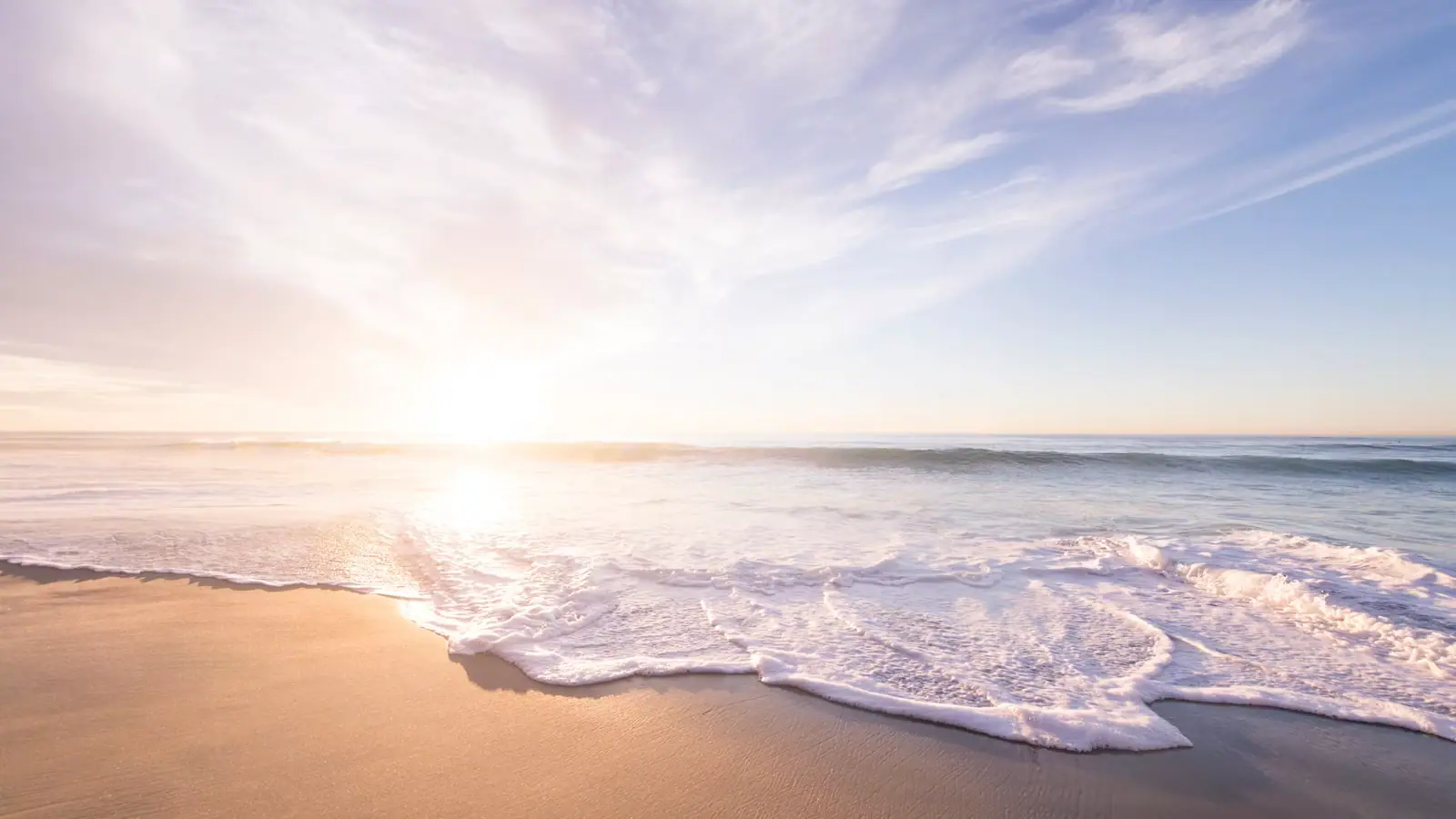
Haleʻiwa Beach Park is on the north side, tucked inside the harbour and the reef, and it is protected. It is not dramatic. It is frequently the only sensible swim on the entire North Shore in January, and it is where local families take small children.
Just around from Aliʻi is Puaʻena Point, which is where the surf schools run beginners, because the wave is smaller and slower and the reef further away. If you are learning to surf on this coast, that is the water it happens in.
A walk that takes about ninety minutes
| Stop | What it is |
|---|---|
| North end of the main street | Start here; parking is easier at this end |
| The galleries and surf shops | Board shapers, prints, jewellery; several are owner-run and open odd hours |
| Shave ice | Matsumoto or Aoki's, depending on the queue |
| Anahulu Stream Bridge | The double-arch bridge over the river, built in the 1920s and locally the Rainbow Bridge |
| Haleʻiwa Small Boat Harbour | Charter boats, the North Shore fishing fleet, snorkel trips |
| Haleʻiwa Beach Park | Calm water, shade, a swim that works year-round |
| Back along the highway side | Food trucks, poke, the garlic shrimp that saves you driving to Kahuku |
Add a beach hour and it is an afternoon. Add lunch and it is most of a day, which on a big-surf winter day is exactly the right shape.
Eating, and the seven o'clock problem
Haleʻiwa has the best concentration of food on the coast: poke counters, plate lunch, a couple of proper restaurants, the food truck lot, açaí, coffee that is not from a petrol station. Prices sit above Honolulu and below Waikīkī.
The thing nobody tells visitors is the closing time. Outside Haleʻiwa, much of this coast has stopped serving by seven in the evening, and even in town the choice thins out fast after eight. If you are watching the sunset at Sunset Beach and planning dinner afterwards, plan it in Haleʻiwa before you drive up, or accept a supermarket.
Parking, and how to not be the problem
Haleʻiwa has more parking than anywhere else on the North Shore and it is still not enough on a Saturday.
- There are lots behind the main shopping centres on the inland side, and that is where to look first.
- Street parking along Kamehameha Highway through town fills from mid-morning.
- Haleʻiwa Beach Park and Aliʻi Beach Park both have their own lots; use them if the beach is part of your plan, not as overflow for shopping.
- Mid-morning is comfortable, one in the afternoon is not, and a contest day at Aliʻi is the worst of the year.
The single-lane highway through town is the constraint on the whole coast. A car circling for a space is part of somebody's commute.
Rain, and what the town is for
The North Shore gets its rain in squalls off the ocean, and winter brings more of them. Haleʻiwa is the rainy-day answer: the galleries, the shops, a long lunch, the museum-ish surf shops with decades of boards on the walls, and shave ice, which is improved rather than ruined by weather.
The other rainy-day answer is fifteen minutes away at Waimea Valley, where the planting and the cultural sites are worth walking in light rain, and the waterfall does not care.
Waialua, three miles away
If Haleʻiwa feels busy, Waialua is the other version of the same history and almost nobody stops. The Waialua Sugar Mill worked until 1996, later than Kahuku's, and the site now holds small businesses — coffee roasting, soap, surfboards — in the old plantation buildings. It is quiet, it is cheap, and it is a clearer picture of what these towns were than the main street in Haleʻiwa is.
What is worth buying here
Boards and board repair. Haleʻiwa is a working surf town and the shapers are real. If you need a ding fixed or a board for a fortnight, this is where the coast does it.
Art from the people who made it. Several galleries on the main street are owner-run and the artist is often behind the counter. Print work, woodwork, jewellery. Ask what it is and who made it; you will get an answer.
Food to take with you. Poke by the pound, bakery goods, fruit from the stands. Doing this before you drive north solves the seven o'clock problem in advance.
Waialua coffee and North Shore soap from the old sugar mill three miles down the road, if you want something made on this coast rather than imported for it.
Not a mass-produced "North Shore" T-shirt from a rack outside. There is a great deal of it and almost none of it is from here.
When to come, and for how long
Morning, roughly 9 to 11. Parking exists, shops are opening, the beach is quiet. The best window by a distance.
Early afternoon. The busiest part of the day, when every day-tripper from Waikīkī arrives at once. Workable if you park at the north end and walk in.
Late afternoon, after four. The crowd goes home, the light is good, and the harbour is worth ten minutes as the boats come back. Eat before the kitchens start closing.
Winter versus summer. Haleʻiwa is the coast's winter answer, because when the beaches close the town is what is left, and contest season fills it with people worth watching. Summer is quieter in town and busier on the sand.
Sunday. Quieter on the road, and the place to know is that the Polynesian Cultural Center at Lāʻie is closed, so a Sunday circle-island plan should not be built around it.
Last updated
Opening hours, ordinances and prices move with the season. We re-check this guide rather than rewrite it, and the date above is the last time someone did. How we research and correct.