Skip to content
Search
Menu

We earn a commission if you book through this link. You pay the same price.

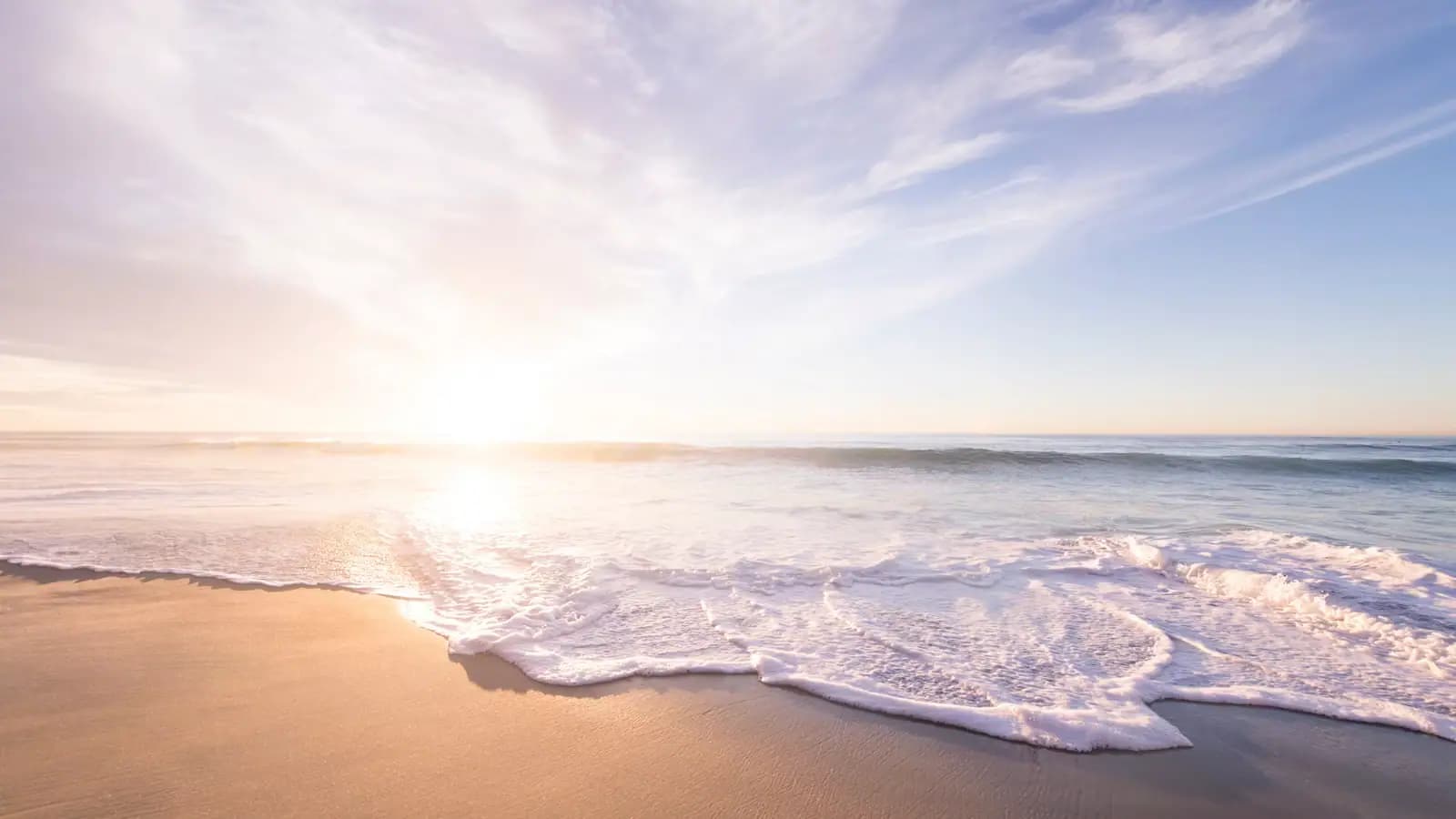
Flat shallow water close to shore on a windless morning with no breaking waves

Things to Do

Kayaking and Stand-Up Paddleboarding

Last updated

Paddling Oʻahu's North Shore: the Anahulu River at Haleʻiwa is the calm-water option, summer opens the coast, and winter closes it. Rentals and conditions.

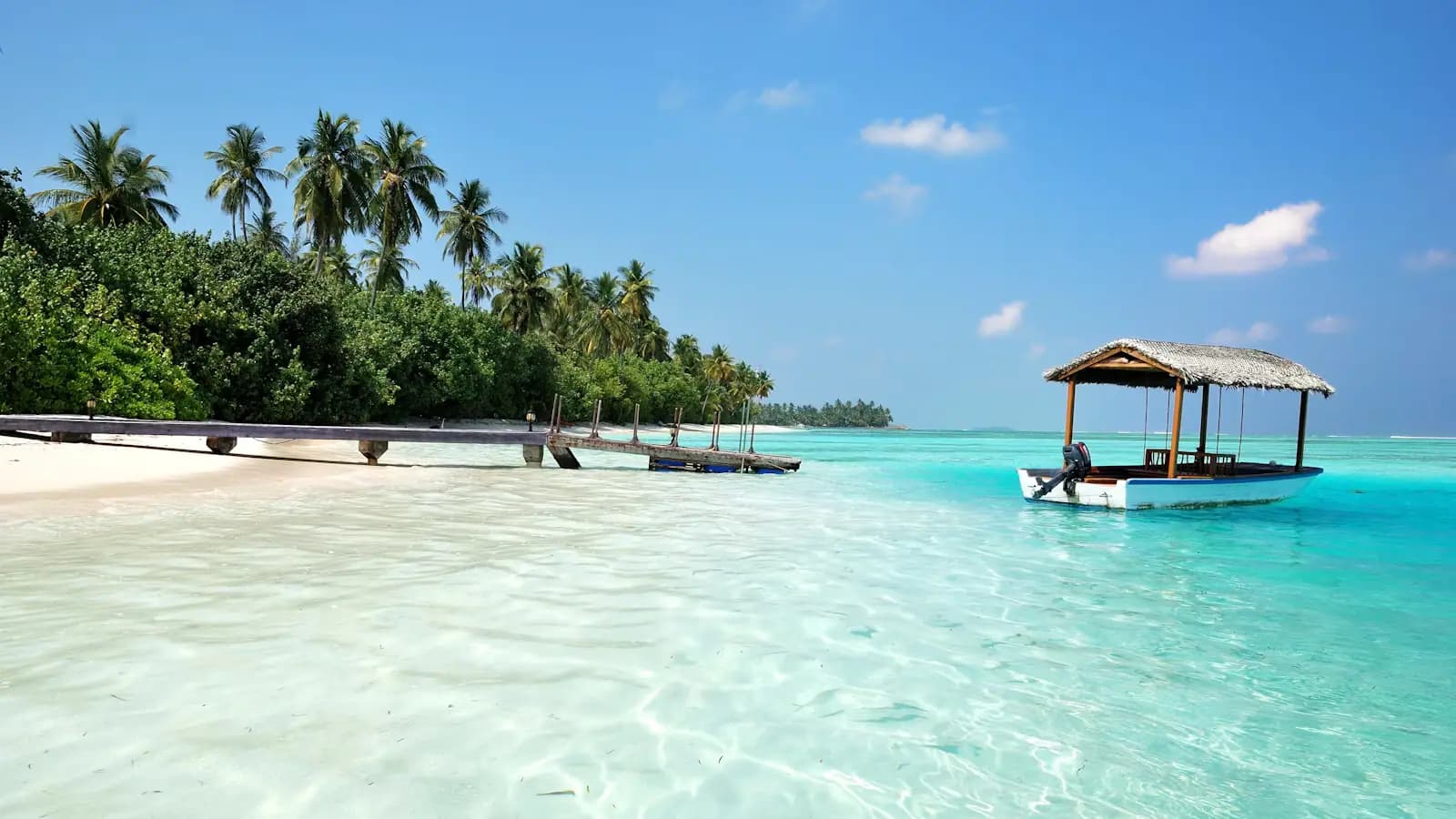
Start with what this coast is not. The photograph you have seen of turquoise water and two green islets is Kailua, on the windward side, roughly an hour's drive from Haleʻiwa around the top of the island. The North Shore does not have sheltered bays or offshore islets you can paddle to, and for four or five months a year it has surf that would destroy a sea kayak and everyone in it. Any listing that sells you a North Shore ocean paddle in January is selling you a different beach.

What the North Shore does have is a river. The Anahulu runs out through the middle of Haleʻiwa town and under the arched bridge that is the town's landmark, and the lower couple of miles of it are tidal, sheltered and flat in almost any weather. That is the reason paddling exists here as an activity at all. You launch near the harbour, turn upstream between overhanging hau and kamani trees, pass back gardens and the occasional egret, and go until the water gets too shallow or you get bored. Honu and mullet work the river mouth. It takes an hour or two, it costs very little, and it is genuinely pleasant rather than a consolation prize.

The second thing the coast has is a summer. From roughly May to September the same water that produced thirty-foot faces in January goes glassy, and paddling out of Haleʻiwa Aliʻi Beach Park toward Puaʻena Point becomes a reasonable morning. Kuilima Cove and Kawela Bay at the Turtle Bay end stay calm more often than anywhere else, which makes them the least weather-dependent ocean option up here. Board rentals in Haleʻiwa commonly run around $30 an hour or in the region of $75 for a full day, and most shops will add a short orientation for first-timers.

Two things will end your paddle early if you have not planned for them. The first is wind: the trades blow across and often offshore on this coast, which on a stand-up board means the beach gets further away while you are still deciding whether to be worried. Morning is calmer, every time. The second is water quality after rain, because Hawaiʻi's health department issues brown water advisories when runoff floods streams and harbours, and the Anahulu is exactly the kind of place that turns brown fast.

Below: the river in detail, what the open coast allows in summer, the windward alternatives worth the drive, and the conditions to check before you pay for two hours.

Our picks

The ones we would book

  • Best for Beginners

    Best first time on a board

    Why we chose it

    On the North Shore that means the river, not the ocean. Look for a hire that launches directly into the Anahulu rather than across a beach, includes a short orientation, and gives you two hours rather than one — the first twenty minutes on a board are spent falling off it, and the river is a forgiving place to do that.

    Parasailing Experience in Waikiki, HI
    Best for BeginnersFree cancellationInstant confirmation

    Low Supplier Cancellation Rate

    Parasailing Experience in Waikiki, HI (opens in a new tab)

    8.9K reviews

    Experience the thrill of Oahu parasailing on this unforgettable 1-hour adventure from Waikiki. Soar up to 1,000 feet above the stunning…

    1 hour

    Prices checked

    from $44
  • Editor's Pick

    Best guided paddle in Haleʻiwa

    Why we chose it

    A guide on the Anahulu earns their money on two things: reading the tide so you are not dragging a board over gravel, and keeping a group clear of the harbour channel where the fishing and tour boats run. The good ones also know which stretch the honu are working that week and how far upstream the water is holding.

    The locals
    Editor's PickFree cancellationInstant confirmation

    Involves Animals

    Waikiki: Turtle Canyon Snorkel Adventure on Oahu (opens in a new tab)

    3.9K reviews

    Enjoy an exclusive snorkeling adventure in Waikiki with small group sizes for a comfortable and VIP experience. You get up-close views of…

    2 hours

    Prices checked

    from $85
  • Best for Families

    Best paddle with children aboard

    Why we chose it

    A double kayak on flat river water is the version that works with a child who cannot yet paddle for an hour. Sheltered water, a launch you can stand in, and a turnaround point you choose. Ask about child buoyancy aids specifically, and about whether the operator will swap you onto a different craft if the wind gets up.

  • Small Group

    Best small-group trip

    Why we chose it

    Narrow tidal water and a working harbour entrance are both much easier with four people than with twelve, and the guide can actually watch everyone. Small groups also move at the pace of the slowest paddler without anyone feeling it, which on a two-hour hire is the difference between reaching the quiet section and turning around short of it.

  • Best Private Tour

    Best private session

    Why we chose it

    Worth it in two situations: a nervous adult who needs an instructor within arm's reach, and a confident paddler who wants to go further than a group hire allows. Private time also means you can start at first light, which on this coast is the hour when the trades have not filled in and the water is genuinely flat.

    Roland dancing Hawaiian Kahiko
    Best Private TourFree cancellationLikely to sell out

    Curated Catalog

    Toa Luau at Waimea Valley, Oahu (opens in a new tab)

    3.8K reviews

    Toa Luau invites you to immerse yourself in the beauty and excitement of Polynesia on Oahu’s historic North Shore! Book any one our 3 Luau…

    3 hours

    Prices checked

    from $145

The Anahulu River, Haleʻiwa

The Anahulu is the reason this page exists. It reaches the sea at Haleʻiwa, running under the town's arched concrete bridge, and the section below the bridge is tidal, slow and sheltered from everything the ocean is doing outside.

Rental operations cluster around the harbour and the river mouth, several with their own small launch ramps rather than a beach carry. Standard hires are two hours or a full day, in single or double kayaks and on stand-up boards, with a short orientation for people who have never balanced on one.

Paddling upstream is the better direction. The banks narrow, the trees close overhead, and the traffic noise drops away within a few hundred yards. How far you get depends on the tide and on recent rain off the Koʻolau range. Downstream takes you past the harbour toward Haleʻiwa Bay, which is fine on a flat summer morning and a bad idea when there is any swell running through the harbour entrance.

Practical notes:

  • Go up on a rising tide and come back on the fall if you can read a tide table; it is easier in both directions.
  • Honu are common at the river mouth. The ten-foot rule applies from a board exactly as it does in the water.
  • This is a working harbour. Fishing boats, tour boats and the shark-cage operations use the channel. Stay out of it and cross quickly if you must.
  • The river is fresh-to-brackish and murky. If you have an open cut, stay out of stream water anywhere in Hawaiʻi.

It is not a wilderness experience. It runs through a town. But it is calm, cheap and available on days when the ocean here is unusable, which on this coast is a substantial part of the year.

The open coast, in summer only

From roughly May to September the North Shore flattens, and a handful of ocean paddles open up.

Haleʻiwa Aliʻi Beach Park to Puaʻena Point is the obvious one: a short, sheltered stretch inside the point with a sand launch, a lifeguard on the beach and surf schools working the same water. Go early, before the trades fill in.

Kuilima Cove and Kawela Bay, at the Turtle Bay end, are the calmest ocean water on the coast because reef offshore breaks the swell before it arrives. Kuilima in particular stays workable in conditions that shut everything else, and honu come inside it in the mornings.

Mokulēʻia, at the western end, is wide open and usually windy. It suits experienced paddlers who want empty water and understand that the wind is generally pushing away from the beach.

What does not work, at any time of year: paddling anywhere near a surf break. Waimea, Pipeline, Sunset and Laniākea are lineups with people in them, and a kayak or a longboard-sized SUP in a crowded surf zone is genuinely dangerous to everyone. Launch away from the breaks, stay away from the breaks, and if you are unsure where a break is, ask at the shop.

And in winter, on the open coast, the answer is simply no. From November to March the swell that makes this coast famous makes every ocean launch here a rescue call. The river stays open; the ocean does not.

Rentals, lessons and what they cost

What it costs

Bands rather than quotes, and confirm at the shop.

  • Board or kayak rental: commonly around $30 an hour, with full days in the region of $75, and two-hour hires the most common package. Doubles cost more than singles. Some operators add a one-off orientation fee for beginners.
  • Guided river paddle: a guided version of the same trip costs more than the bare rental and usually includes the launch, the basic instruction and sometimes photographs. Worth it if nobody in the group has paddled before.
  • SUP lesson: priced similarly to a beginner surf lesson, often around $100 to $150 per person for a couple of hours in a group.
  • Multi-day hire: most shops discount steeply after the first day, which is the right call if you are staying up here for a week.
  • Windward guided kayak trips to the Mokulua islets are a separate, higher-priced day and include the permits, the guide and the surf landing.
  • Free: nothing, unless you brought your own board. There is no public boat-and-board hire on this coast.

Two things to check before paying. Whether the quoted time starts when you pay or when you get on the water, and what the policy is if the harbour or the river is under a brown water advisory on the day.

Book it

Everything else we track

Some links below go to Viator, our booking partner. We earn a commission on bookings made through them — at no extra cost to you, and with no influence on what we recommend.

If you want the postcard paddle, drive

How they compare

It is worth an hour in the car to understand what is actually on offer around the island, and the honest comparison is not flattering to the North Shore in winter.

WhereDrive from HaleʻiwaWaterSeasonWhat it is
Anahulu River, Haleʻiwa0Flat, sheltered, murkyAll yearThe calm-water default; an hour or two upstream
Haleʻiwa Bay and Puaʻena5 minSheltered inside the pointSummerShort coastal paddle from a guarded beach
Kuilima Cove and Kawela Bay25–30 minReef-protected, calmMost of the yearThe least weather-dependent ocean paddle up here
Kahana Bay40–50 minDeep sheltered bay with a stream behind itMost of the yearA genuine bay paddle with a valley behind it
Kailua and the Mokulua islets50–60 minTurquoise, protected by an offshore reefMost of the yearThe island's signature sea-kayak day

Kailua is the one people picture. The islets off the beach are seabird sanctuaries with landing rules that change, so go with an operator or check the current state regulations before setting out; guided trips there also solve the launch permit and the surf landing, which catch out independent paddlers.

The trade-off is a drive and a different day. If you are staying on the North Shore and want one paddling morning, do the river. If paddling is the reason for the trip, plan a windward day rather than trying to make this coast be Kailua.

Wind, swell and brown water

Before you book

Three things decide whether a paddle here is pleasant, pointless or dangerous.

Wind. The northeast trades build through the day. On the North Shore they frequently blow across or off the land, which is the direction that matters: a light breeze that feels like nothing while you are launching will have you a long way out and paddling into it on the way back. Stand-up boards are far worse for this than kayaks because you are the sail. Go in the morning, stay upwind of where you want to finish, and kneel rather than stand if it picks up.

Swell. Check the surf forecast, not the beach. Long-period north swell arrives in sets minutes apart, and a harbour entrance that looks calm can close out. Between November and March, treat any open-coast launch here as off the table.

Water quality. Hawaiʻi's Department of Health issues brown water advisories after heavy rain, when runoff carries bacteria, chemicals and debris into streams, harbours and the nearshore ocean. The Anahulu discolours quickly after rain on the Koʻolau range. Stay out for a couple of days afterwards, keep out of stream water entirely if you have an open cut because of leptospirosis risk, and do not put your face in brown water.

Also worth knowing: vog from Kīlauea on Hawaiʻi Island occasionally drifts up here and reduces visibility and air quality for a day or two. It is not a paddling hazard as such, but it is why the light is sometimes flat and hazy when the forecast says clear.

On the ground

Where to go

Every place below has its own page — hours, parking, what it costs and what to expect when you get there.

  • Low wooden plantation-era storefronts along a single main street with mountains behind
    Free

    Neighbourhood

    Haleʻiwa Town

    The coast's only real town, and the traffic jam that decides your whole day. Shave ice, surf shops, galleries, and everything shut by nine.

    1–3 hoursFree to visit. Parking is free in the shop lots and on the street.

  • A small sheltered cove of calm shallow water held behind an offshore reef
    Free

    Beach

    Turtle Bay

    The coast's only large resort — and under Hawaiʻi law its best swimming cove and its coastal trails are open to everyone.

    2–6 hoursThe beaches and coastal trails are free and public. Golf, riding, dining and spa services are resort-priced.

  • A curving sandy beach backed by a dense belt of ironwood trees with a small island offshore
    Free

    Beach

    Mālaekahana Beach

    A mile of ironwood-shaded windward sand with an island you can walk to at low tide and a gate that locks at dusk.

    1.5–5 hoursFree for day use, with free parking inside the gate. Camping is permitted and charged.

  • Calm shallow water over sand inside a sheltering reef on a wide bay
    Free

    Beach

    Haleʻiwa Beach Park

    Behind a reef on Waialua Bay, this is the one North Shore beach that stays swimmable in January. Grass, shade, lifeguards, canoes.

    1.5–5 hoursFree, with a free lot and a short flat walk to the sand.

  • A surfer riding a fast right-hand wave peeling off a shallow reef near a harbour entrance
    Free

    Beach

    Haleʻiwa Aliʻi Beach Park

    A professional contest break at one end, a sheltered pool for small children at the other, and the coast's lifeguard base in between.

    1–4 hoursFree, including during the winter contest. Parking is free in the beach park lot.

  • A low green islet sitting offshore beyond a shallow reef flat with calm water between
    Free

    Nature preserve

    Goat Island (Mokuʻauia)

    A seabird sanctuary seven hundred feet off Mālaekahana that you can walk to, in the right two hours of the day.

    1.5–3 hoursFree. No fee, no boat to pay for and no ticket — just the tide and your own judgement.

  • A long empty beach backed by ironwood trees with a mountain ridge rising behind
    Free

    Beach

    Mokulēʻia Beach

    Six miles of mostly empty sand west of Haleʻiwa, where the trades blow hardest and almost nobody stops.

    1–3 hoursFree. County beach park with a small free lot; roadside parking elsewhere.

  • A disused sugar mill with a tall brick smokestack and corrugated iron buildings under blue sky
    Free

    Neighbourhood

    Waialua

    A plantation town that lost its mill in 1996 and turned the tower into a soap factory, two miles and one world from Haleʻiwa.

    1–2 hoursFree. There is no gate, no ticket and no charge to walk the mill yard.

Straight answers

Questions people actually ask

Can you kayak on Oʻahu's North Shore?

Yes, but mostly on the Anahulu River at Haleʻiwa rather than on the open ocean. The lower river is tidal, sheltered and paddleable in almost any weather, with rental operations around the harbour. Ocean paddling from Haleʻiwa Aliʻi, Kuilima Cove or Kawela Bay works in summer. From November to March, the north swell makes any open-coast launch on this side of the island dangerous.

How much does it cost to rent a paddleboard in Haleʻiwa?

Rentals commonly run around $30 an hour, with full days in the region of $75, and two-hour hires are the most common package. Doubles cost more than singles and some shops charge a one-off orientation fee for first-timers. Multi-day rates drop sharply after the first day. Confirm current pricing directly, and ask whether the clock starts when you pay or when you reach the water.

Is the Anahulu River safe to paddle?

In normal conditions it is the calmest water on the North Shore: tidal, sheltered and slow. Two cautions. The harbour channel at the mouth carries fishing and tour boats, so cross it quickly or stay above it. And after heavy rain the river discolours and the state can issue a brown water advisory, so stay out for a couple of days, keep out entirely with an open cut, and do not put your face in it.

Where is the best place to paddleboard near Haleʻiwa?

Upstream on the Anahulu River for calm water and shade, most days of the year. In summer, the sheltered stretch between Haleʻiwa Aliʻi Beach Park and Puaʻena Point is a good short coastal paddle with a lifeguard on the beach. Kuilima Cove and Kawela Bay at the Turtle Bay end are the most reliably calm ocean water on the coast. Go in the morning before the trades build.

Can you kayak to the Mokulua islets from the North Shore?

No. The Mokuluas sit off Lanikai on the windward side, roughly an hour's drive around the island from Haleʻiwa, and there is no sensible way to reach them from this coast. If that trip is what you want, plan a Kailua day instead. Landing rules on the islets are set by the state and have changed over time, so go with a licensed operator or check the current regulations before setting out.

Do you need experience to paddle on the North Shore?

Not for the river, which is where any first session should happen. Most shops include a short orientation, and a double kayak needs no skill at all to enjoy. The ocean is different: the trades often blow offshore here, which pushes an inexperienced paddler away from the beach, and a stand-up board is effectively a sail. Start on the river, go in the morning, and kneel if the wind picks up.