Green sea turtles haul themselves out of the water and sleep on the sand in broad daylight on this coast. That is not normal turtle behaviour. Across most of the world's oceans, green turtles come ashore only to nest, and only at night; the Hawaiian population is one of a small number anywhere that basks on land in the open, apparently to warm up and rest away from tiger sharks. It is the reason a pull-off on Kamehameha Highway has an unofficial name — Turtle Beach — and a permanent rota of volunteers.
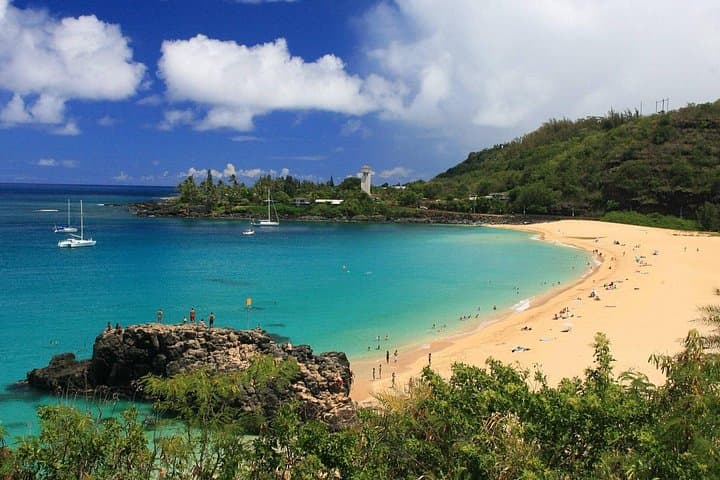
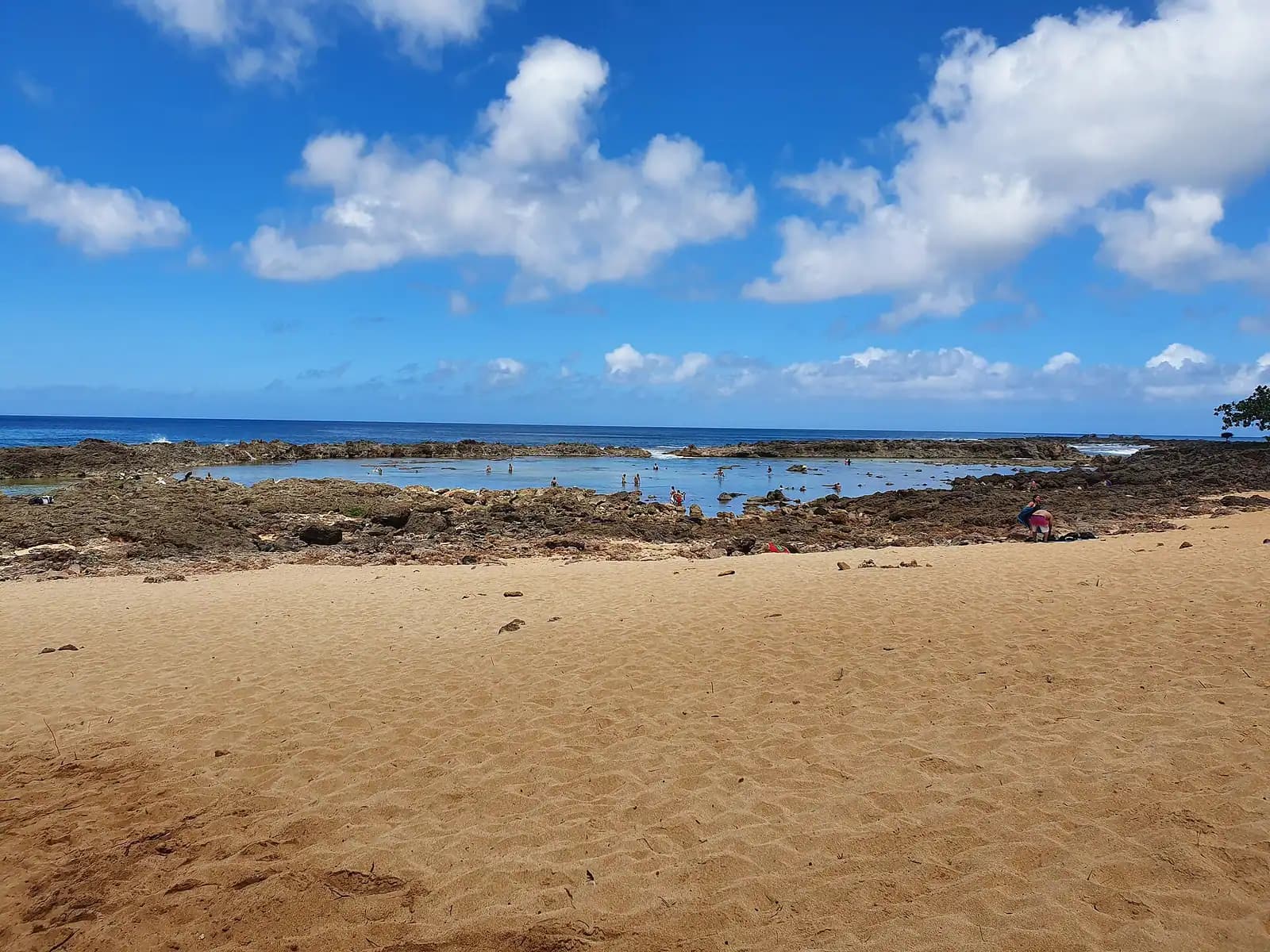
The place is Laniākea, a short strip of sand between Haleʻiwa and Waimea, and it is the most reliable honu viewing on Oʻahu. It is also a lesson in what happens when a wildlife site sits on the shoulder of a two-lane highway that thousands of residents use to get to work. For years the routine was cars stopping abruptly, people crossing four lanes of moving traffic with phones out, and a queue backing toward Haleʻiwa. The state has since realigned roughly a thousand feet of the highway inland to deal with the erosion, the pedestrian crossings and the congestion together, with substantial completion scheduled around the middle of 2026. Access and parking there have moved during the work, so read the signs on the day rather than an older blog post.
The turtles themselves are Hawaiian green turtles, honu, protected under both federal and state law after commercial hunting was stopped in the 1970s. The population has recovered substantially since, which is why you can now stand on a beach and see several. Almost all of them nest hundreds of miles away in the low-lying atolls of Papahānaumokuākea rather than here, so what you are watching on the North Shore is feeding and resting, not nesting. They graze limu — algae — off the shallow reef and come up onto the sand to sleep it off.
The rule that governs everything on this page is simple: ten feet, on land and in the water. That is the guidance from NOAA and the state's aquatic resources division, and at Laniākea volunteers rope off resting animals to make it concrete. They are worth talking to. They will tell you which turtle you are looking at, roughly how old it is and how often it comes in, and that conversation is the difference between a photograph and actually knowing something.
Laniākea is not the only option, and on a busy afternoon it is not the best one. Honu turn up at Haleʻiwa Aliʻi Beach Park, on the reef flats at Pūpūkea, inside Kuilima Cove at Turtle Bay and off Kahuku Point. Those are covered below, along with the timing that gets you there before the coach parties, what the law actually prohibits, and which boat trips are worth paying for.