Free
Beach
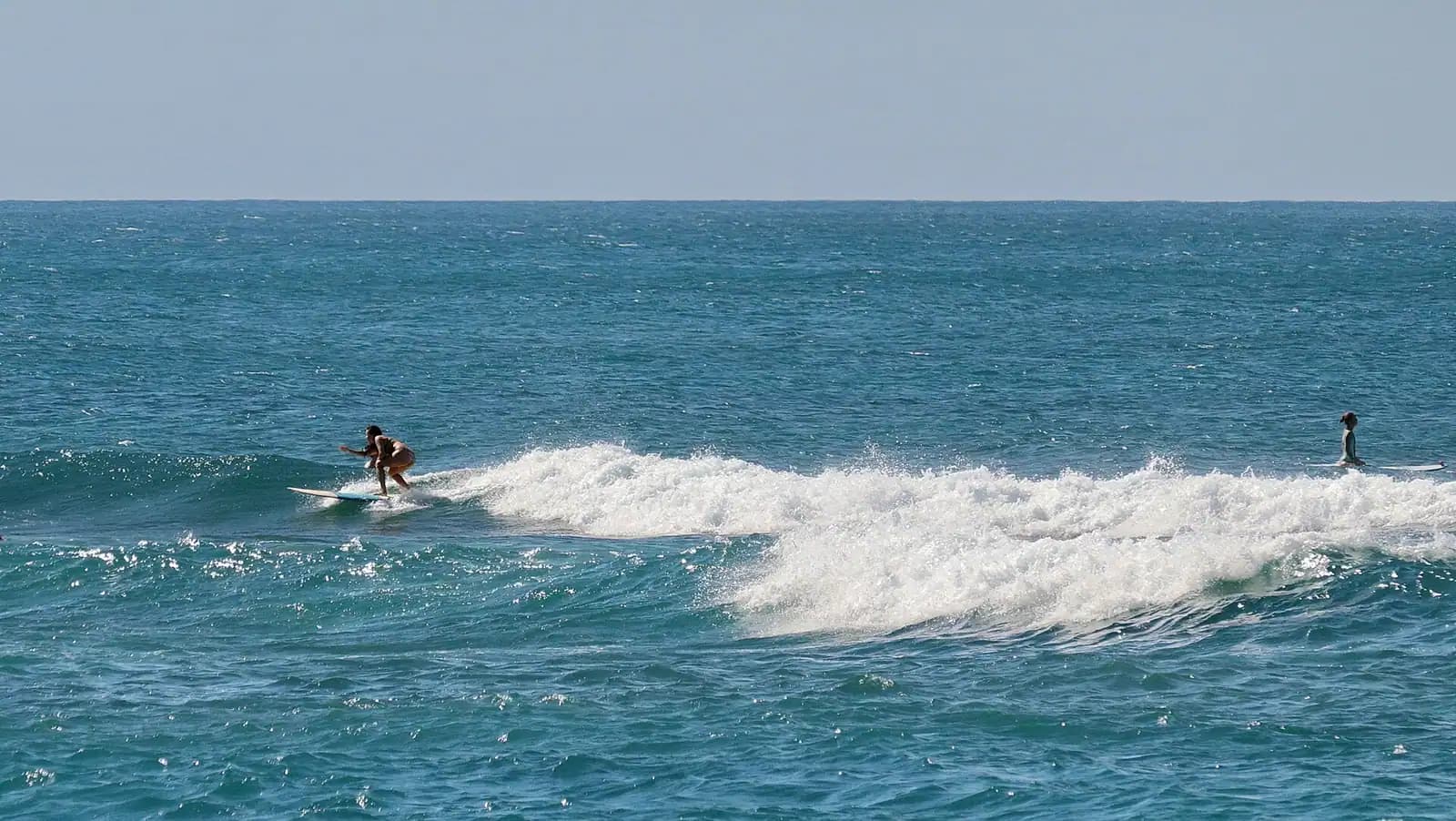
Waimea Bay
Flat enough to swim across in July, closed by thirty-foot faces in January. The North Shore's seasonal flip at its most extreme.
1.5–5 hoursFree, including parking. The lot is small and fills early.
Things to Do
Day trips to Oʻahu's North Shore from Waikīkī and back the other way: the two routes, when to leave, where parking fills, and what a day up the coast costs.
There are two kinds of day trip on this coast and they want opposite things. One is the drive up from Waikīkī — an hour each way, a day to spend, and a single decision that determines whether it works. The other belongs to people staying up here, who wake up on the North Shore and have to decide whether anything on the rest of the island justifies giving up a day of it. This page does both.
Take the Waikīkī version first. The decision that matters is not which beach you go to. It is whether you drive out and back the same way. Two roads reach this coast and they are completely different experiences. The short one goes inland: H-1 to H-2, up through Wahiawā past Dole Plantation, and down to Haleʻiwa in about an hour and thirty-eight miles. The long one goes round the windward side: over the Likelike or the Pali, up through Kāneʻohe, past Kualoa's valley and the Kaʻaʻawa cliffs, through Hauʻula and Lāʻie and Kahuku, arriving at the far end of the North Shore in about ninety minutes. Drive up one and back the other and you have seen the whole east and north of Oʻahu in a day. Drive up and back the same way and you have seen one road twice.
The constraint on the whole thing is Kamehameha Highway. From Haleʻiwa to Kahuku it is two lanes with no shoulder, it passes directly in front of the best-known surf breaks in the world, and it is also the only road several thousand people use to get to work. When the swell is up, or on a summer Saturday, traffic crawls — and the worst pinch point is Laniākea, where visitors park on the shoulder to look at the turtles and pedestrians cross a 45mph highway to reach them. That stretch has been a recognised traffic and safety problem for years. Parking at Laniākea and at Waimea Bay fills early and stays full.
So: leave early. A 7.30am departure from Waikīkī puts you at Haleʻiwa before the coaches, at Waimea while there are still spaces, and at the Kahuku end when the shrimp truck queues are short. A 10am departure puts you in the back of all three. The day ends the same way — the drive home between four and six is the slowest of the day in either direction, and after dark Kamehameha Highway is unlit with people walking to parked cars.
For the other audience, the one already up here: the honest list of things worth leaving the North Shore for is short, but it is real. Pearl Harbor is fifty minutes away and needs a reserved ticket. Diamond Head requires an advance reservation for non-residents. Byōdō-In Temple at Kāneʻohe is thirty-five minutes down the windward coast and costs a few dollars. Kualoa is on the way to all of them. Honolulu itself has the museums, the restaurants and the only proper city on the island, and it is an hour each way. Everything else — the beaches, the valley, the trucks, the trails — you already live next to for the week, and on a good day up here, that is the argument for staying put.
This is the single most useful decision of the day, and most first-time visitors get it wrong by default because the satnav offers the fastest route in both directions.
The inland route (H-2 and Kamehameha Highway). From Waikīkī, H-1 west to H-2 north, up through the central plateau between the two mountain ranges, past Wahiawā and Dole Plantation, then down the long descent toward Haleʻiwa with the ocean opening up in front of you. Roughly 38 miles and about an hour without traffic. It is the fast way and the dull way — pineapple fields and a military town — with one genuine payoff in the view as you drop toward the coast.
The windward route (Pali or Likelike, then Kamehameha Highway). Over the Koʻolau range through a tunnel, down into Kāneʻohe, then north along a coastline with the ridge wall on your left and reef flats on your right. You pass Byōdō-In in the Valley of the Temples, Kualoa's fishpond and film valley, the cliffs at Kaʻaʻawa, Hauʻula, Lāʻie and the Polynesian Cultural Center, then Kahuku and the shrimp trucks, arriving at Turtle Bay and Sunset Beach from the east. Ninety minutes without stops and considerably more with them.
Do both. Up the windward side in the morning with the light behind you, along the North Shore in the afternoon, back down the H-2 in the evening — or the reverse. The loop is roughly 100 miles and it is the best driving day on Oʻahu.
One warning about the map. Kaʻena Point sits at the northwestern tip and looks, on a map, like it should close the loop round to the Waiʻanae coast. It does not. There is no road. The trail crosses on foot; vehicles have to go back the way they came.
When to go
Timings from Waikīkī, assuming a rental car.
Seasonally, the day changes completely. In winter, roughly November to March, the North Shore is a spectator sport: enormous surf, closed beaches, and a crowd that makes the traffic worse — a big swell day can add an hour to the drive each way. In summer, roughly May to September, the same beaches are flat and swimmable, so the day becomes about getting in the water, and the crowds are local as much as visiting.
Two dates to know about. The North Shore contest season runs waiting periods through November and December at Haleʻiwa, Sunset and Pipeline; when a contest is called on, the coast fills and parking effectively disappears. And any long weekend in summer brings the whole island up here.
If the swell is forecast at 20 feet or more, go anyway — it is extraordinary — but go early, park once, and accept that you will not be swimming.
For anyone staying up here, this is the useful list — what is actually worth giving up a North Shore day for, with the booking traps attached.
Pearl Harbor, about 50 minutes down the H-2 and H-1. The USS Arizona Memorial programme is free but requires a reserved timed ticket booked in advance through recreation.gov, and they go quickly. There is a strict no-bags policy with a paid storage facility on site — turning up with a rucksack is the standard mistake. Allow half a day minimum.
Diamond Head, about an hour and ten. Out-of-state visitors must reserve entry and parking in advance; you cannot simply drive up. It is a short, hot, busy walk with a good view, and it is a long way to come from Haleʻiwa for it.
Byōdō-In Temple, Valley of the Temples at Kāneʻohe, about 35 minutes down the windward coast. A 1968 replica of a Japanese temple at the foot of the Koʻolau wall, with a small admission charge, koi ponds and a bell you may ring. It is on the windward route, so it costs almost nothing in detour.
Kualoa Ranch, about an hour down the coast — film valley, UTV tours and an ancient fishpond. Book ahead; the off-road tours sell out days in advance.
Honolulu, an hour. The Bishop Museum, the Honolulu Museum of Art, ʻIolani Palace, Chinatown and the only restaurant scene on the island that runs past nine o'clock. If you are up here for a week, one Honolulu day is worth it.
What is not worth the drive from here: Hanauma Bay, at the far southeast corner, roughly ninety minutes each way with a reservation system and a closed day each week. Lovely, and there is better snorkelling at Shark's Cove in summer, fifteen minutes from Waimea.
What it costs
Bands, per person unless stated, and everything here changes.
The honest summary: a self-drive North Shore day is one of the cheapest good days on Oʻahu. Beaches, the drive, a hike, a shrimp plate and a shave ice comes to under $40 a head plus the car. It stops being cheap the moment you add one of the ticketed attractions, and the Polynesian Cultural Center's full package for a family of four is the single biggest number most visitors put on this coast.
One cost people forget: fuel. There are few petrol stations between Haleʻiwa and Kahuku and prices at this end of the island are higher. Fill up in Wahiawā or Haleʻiwa rather than hoping.
Book it
We could not find tours matching this right now
Nothing came back for North Shore day trip. Operators add and retire experiences constantly, so this list changes week to week. Try a broader category, or come back in a day or two.
How they compare
Four ways to reach the coast from Waikīkī, honestly costed.
| Rental car | TheBus route 60 | Guided circle-island tour | Private driver | |
|---|---|---|---|---|
| Time each way | 60 min inland, 90 min windward | About 2.5 hours end to end | Fixed, usually 8–10 hour day | Yours |
| Cost | Car, fuel and parking | A few dollars per ride | Around the island's $109 median | Vehicle rate for the day |
| Stops | Anywhere you can park | Bus stops only | Fixed itinerary | Negotiated |
| Parking problem | Yours to solve | None | None | None |
| Sees the loop | If you plan it | Windward only | Usually yes | Yes |
| Best for | Confident drivers, early starts | No car, patient, flexible | First visit, nobody wants to drive | Groups of four or more |
The car is the right answer for most people, because the good things on this coast are ten minutes apart and the bus is not.
TheBus route 60 runs Honolulu to Haleʻiwa via Kāneʻohe and the windward coast, daily, and takes around two and a half hours end to end. It is slow, it is cheap, and it genuinely works if you are going to one place and staying there. It is a poor way to see five beaches.
A guided tour solves parking, driving and route planning at once, and the typical Oʻahu booking sits around $109. The trade is the itinerary: most circle-island days give you 30 to 45 minutes at each stop, which is a shave ice and a photograph rather than a swim.
A private driver makes sense at four or more people, or with anyone who has mobility limits, and it is the only option that lets you stay for the sunset and still be driven home.
Before you book
Nearly every bad North Shore day has one of these five causes.
Parking at Laniākea. The turtle beach has no real car park. People stop on the shoulder of a 45mph two-lane highway and then cross it on foot, and it has been a recognised traffic and pedestrian safety problem for years. If there is no legal space, drive on — there are turtles at Haleʻiwa Aliʻi Beach Park and at Kahuku Point too. Never stop on the shoulder itself.
Getting in the water in winter. From roughly November to March this coast takes 20 to 30-foot faces at Waimea, Pipeline and Sunset. Lifeguards close beaches. Shark's Cove, superb snorkelling in summer, is lethal in winter surf. People drown here every year and a significant share are visitors who did not understand that the same beach is two different places in two different seasons. Ask the lifeguard. If the beach is closed, it is closed.
Arriving at 11am. Car parks at Waimea, Laniākea, Shark's Cove and ʻEhukai fill in the morning and stay full. Late arrival means circling, and circling on this highway means blocking it.
Driving home in the dark, tired. Kamehameha Highway is unlit, narrow and busy with people walking to cars at dusk. Leave yourself daylight.
Treating it as a theme park. Several thousand people live along this road. Do not block driveways, do not park on private land, do not photograph into people's yards, take your rubbish with you, and keep 10 feet from a resting honu — the federal guidance — and further if volunteers have roped it off. The friction on this coast is real and it is entirely caused by visitors doing avoidable things.
One more: vog. Volcanic haze from Kīlauea on Hawaiʻi Island occasionally drifts over Oʻahu and reduces visibility and air quality. Uncommon here, but if the horizon is milky on a clear forecast, that is what it is.
What to bring
Assume you cannot buy anything between Haleʻiwa and Kahuku except food, and not after mid-afternoon.
Leave behind: any expectation of finding dinner between Waimea and Kahuku after about seven in the evening, and anything valuable visible in a parked car at any beach park or trailhead on this coast.
On the ground
Every place below has its own page — hours, parking, what it costs and what to expect when you get there.
Beach
Flat enough to swim across in July, closed by thirty-foot faces in January. The North Shore's seasonal flip at its most extreme.
1.5–5 hoursFree, including parking. The lot is small and fills early.
Beach
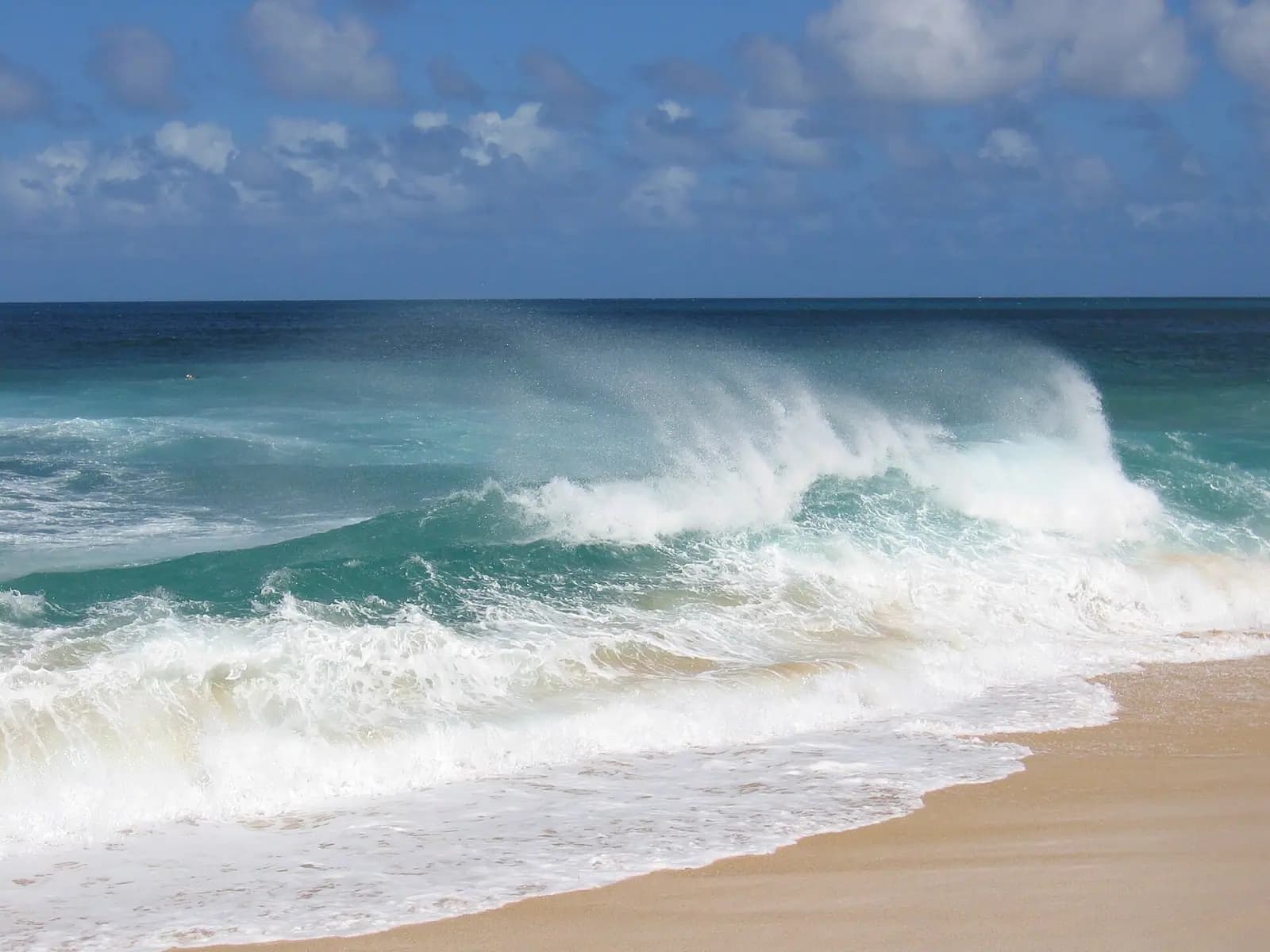
Two miles of sand the winter ocean removes and the summer ocean puts back, with the coast's most notorious rip running through it.
1–4 hoursFree, with a free lot that is larger and more reliable than anything else on this stretch.
Neighbourhood
The coast's only real town, and the traffic jam that decides your whole day. Shave ice, surf shops, galleries, and everything shut by nine.
1–3 hoursFree to visit. Parking is free in the shop lots and on the street.

Dining district
Shrimp farms that grew a kitchen, strung along two miles of a former sugar town. Order it shell-on and accept the garlic.
1–2 hoursFree to visit; you pay for what you eat. A garlic shrimp plate with rice is a mid-range plate-lunch price rather than a snack price.

Landmark
Four thousand acres in three windward valleys, sold as a film set and older than the film industry by a very long way.
2–6 hoursPaid, per tour. Prices vary widely between the bus tour at the low end and UTV, horseback and zipline at the high end; combination passes bundle several.
Wildlife
Green sea turtles haul out on this sand most days: federally protected, roped off by volunteers, ten feet away from you at the closest.
0.5–1 hoursFree. Parking is free, informal and genuinely hazardous.

Entertainment
Six Pacific island villages on 42 acres at Lāʻie, largely staffed by BYU–Hawaiʻi students, running midday to the night show.
5–9 hoursPaid, and not cheap. Tiered packages: general admission, admission plus lūʻau, admission plus the evening show, and all-in options with a guided element.

Beach
The coast's only large resort — and under Hawaiʻi law its best swimming cove and its coastal trails are open to everyone.
2–6 hoursThe beaches and coastal trails are free and public. Golf, riding, dining and spa services are resort-priced.

Landmark
A 1968 concrete replica of an eleventh-century Uji temple, set against the Koʻolau pali inside a working cemetery.
1–1.5 hoursA modest per-person admission, charged at a booth on the way in, with reduced rates commonly offered for children and seniors.

Entertainment
A 1950 fruit stand that became the busiest stop between Honolulu and Haleʻiwa, with a hedge maze and a Dole Whip queue.
1–2.5 hoursGrounds, shop and food counters are free. The train, the maze and the garden tour are each ticketed, with combination tickets available.
Straight answers
Two routes, and you should use both. The inland way — H-1 to H-2, up through Wahiawā past Dole Plantation and down to Haleʻiwa — is about 38 miles and an hour. The windward way, over the Pali or Likelike and north through Kāneʻohe, Kualoa, Lāʻie and Kahuku, takes about ninety minutes and shows you far more. Drive up one and back the other. TheBus route 60 also runs the windward coast daily, taking around two and a half hours end to end.
By 7.30am. The car parks at Waimea, Laniākea, Shark's Cove and ʻEhukai fill during the morning and stay full, and the tour coaches arrive from around ten. An early start gets you water time before the crowds, the Kahuku shrimp trucks after their midday queue, and Haleʻiwa in the late afternoon when parking loosens. Head home by 5pm to avoid driving unlit two-lane highway in the dark.
Not quite. You can drive a loop from Honolulu up the windward coast, along the North Shore and back down through Wahiawā — about 100 miles and the best driving day on the island. What you cannot do is round Kaʻena Point at the northwestern tip. No road connects the Mokulēʻia end to the Waiʻanae coast; the only link is a five-mile foot trail through a nature reserve.
Yes, and for many visitors it is the best day on Oʻahu — but only if you give it a full day and leave early. Two hours of driving for a ninety-minute stop at Waimea is a poor trade. Give it eight hours, drive the loop rather than out-and-back, and you get a genuinely different island: two-lane highway, small towns, farm country and the most consequential stretch of surf coast in the world.
Guided circle-island days typically sit around Oʻahu's median booking price of roughly $109, with budget coach departures below that and small-group or premium days well above. A private driver is priced per vehicle for the day, which often beats four group seats. Self-driving costs a rental day plus fuel for about 100 miles, and parking on this coast is mostly free — a real saving compared with the rest of the island.
Free lots at Haleʻiwa Store Lots, North Shore Marketplace and Haleʻiwa Aliʻi Beach Park in town; beach park lots at Waimea Bay, ʻEhukai, Sunset and Mālaekahana; a gravel lot at Shark's Cove. All of them fill from mid-morning in summer and on big-swell winter days. Laniākea is the problem one — it has no real car park, only a highway shoulder, and stopping there is a known traffic and pedestrian hazard. If there is no legal space, drive on.
Pearl Harbor, about 50 minutes away, where the USS Arizona Memorial is free but needs a timed ticket reserved in advance and there is a strict no-bags rule. Byōdō-In Temple at Kāneʻohe, 35 minutes down the windward coast for a few dollars. Kualoa Ranch, about an hour, booked ahead. Honolulu itself for the Bishop Museum, ʻIolani Palace and the only dinner scene on the island after nine. Diamond Head needs an advance reservation for out-of-state visitors and is a long way to come.
About 45 minutes for 22 miles on a clear day, and considerably more when the swell is running. Kamehameha Highway is two lanes with no shoulder along that whole stretch, it passes directly in front of Laniākea, Waimea, Pipeline and Sunset, and it is also the road everyone who lives here uses. On a big winter swell day, or a summer Saturday, allow an hour and do not overtake.
Keep exploring

Guide hub
The North Shore is roughly thirty miles of coast along the top edge of Oʻahu, from the polo fields and the airfield at Mokulēʻia, round Kahuku…

Plan your trip
North Oʻahu is one road. Kamehameha Highway, signed Route 83 along this coast, carries every vehicle from Haleʻiwa round Kahuku Point to Lāʻie and…
Things to do
Haleʻiwa is the only place on this coast that behaves like a town, and everything about it is a second act. The name means house of the ʻiwa, the…

Guide hub
Seven miles of sand run from Haleʻiwa town to Sunset Point, and a single two-lane road threads the whole of it. Kamehameha Highway is the North…
Things to do
The shrimp trucks are an agricultural story before they are a food story, and knowing that changes what you order. Kahuku was a sugar plantation…
Things to do
Green sea turtles haul themselves out of the water and sleep on the sand in broad daylight on this coast. That is not normal turtle behaviour…
Read next
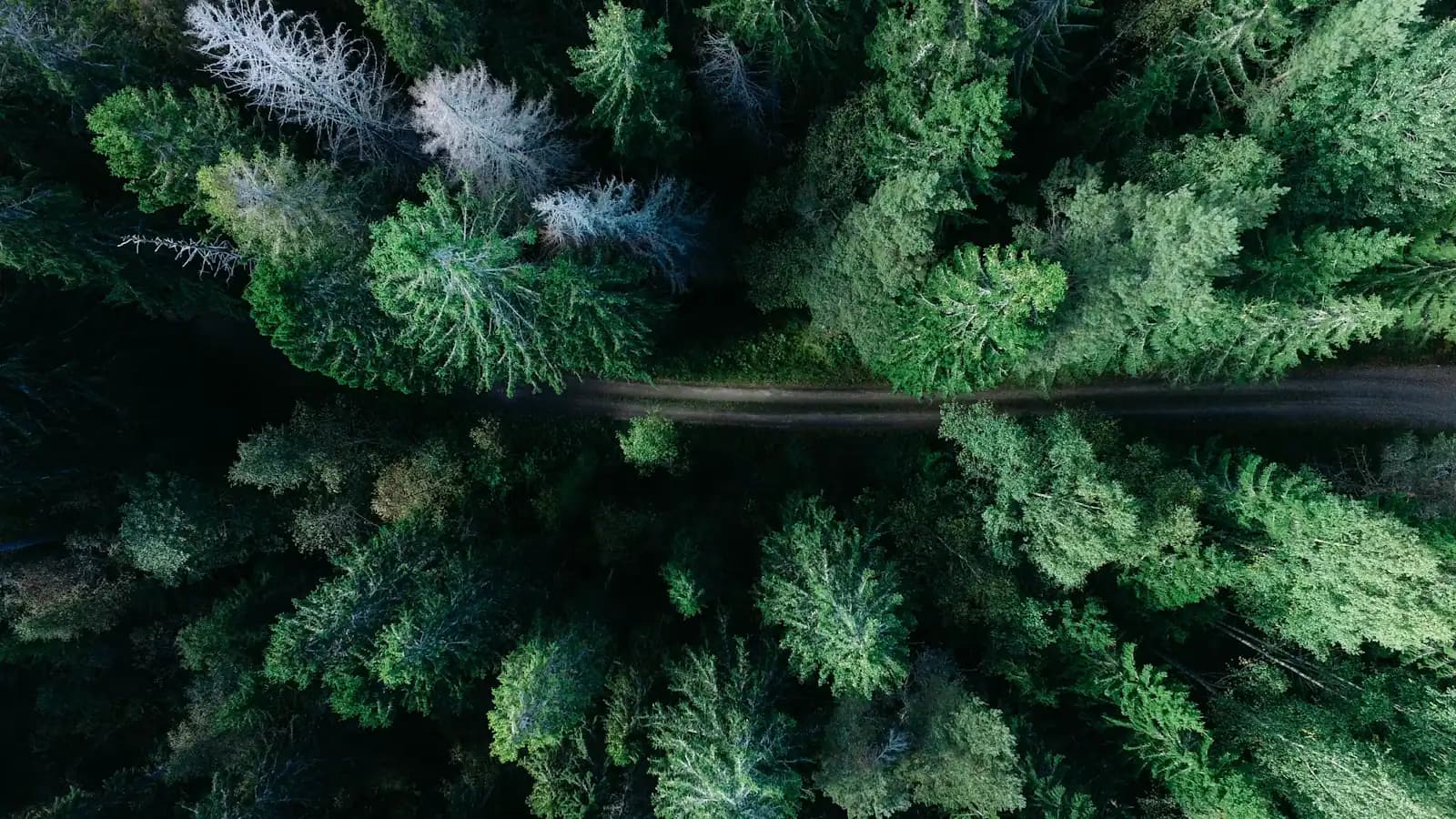
Guide
Thirty-five miles and about an hour of driving, and almost everybody gets it wrong by arriving at eleven. The whole day turns on leaving early enough to beat the Haleʻiwa bottleneck.
8 min readNalani Kahale
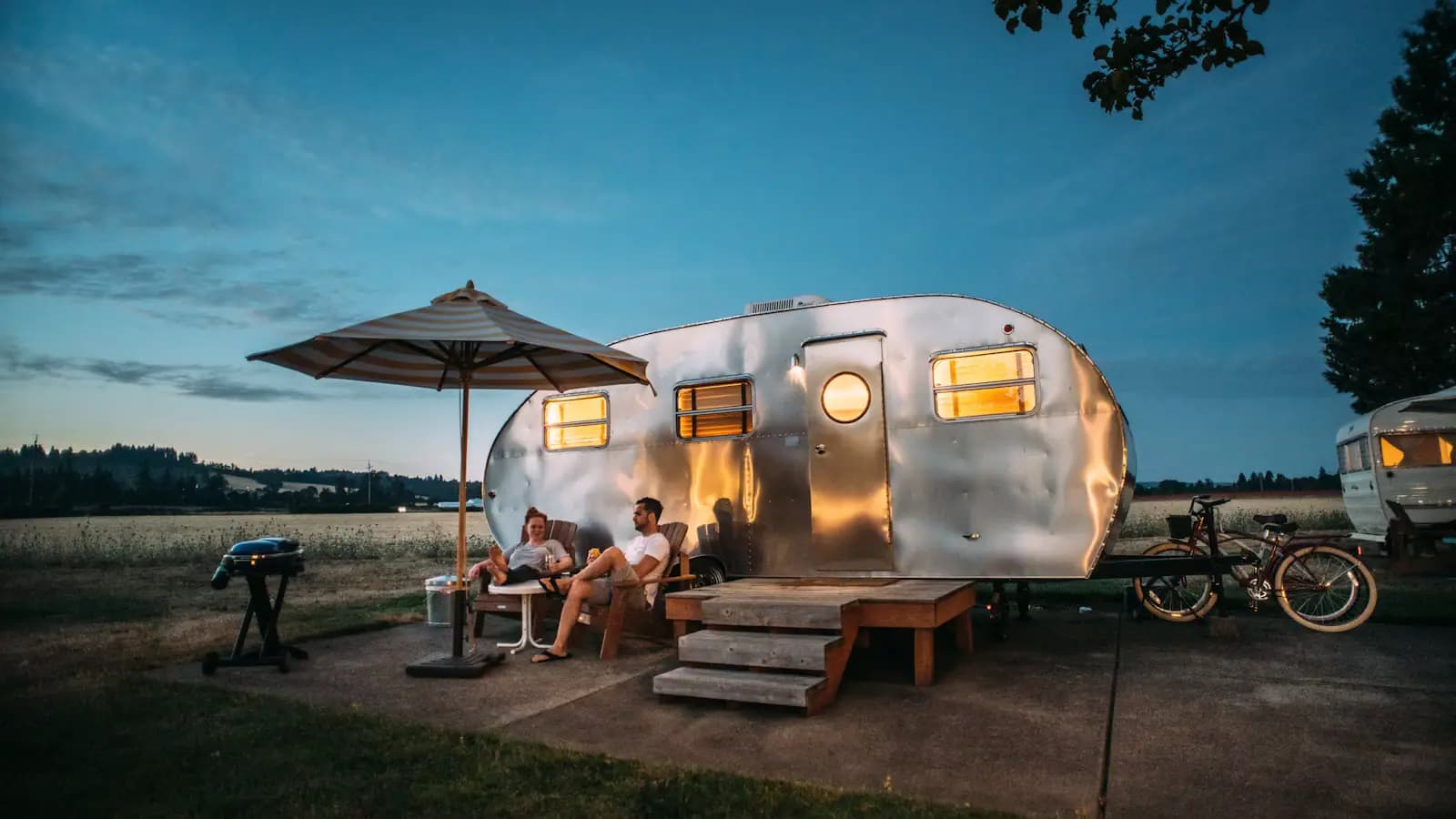
Guide
About a hundred miles, three and a half hours of driving and no road around Kaʻena Point. Which direction you choose decides which side of the car the ocean is on.
9 min readNalani Kahale
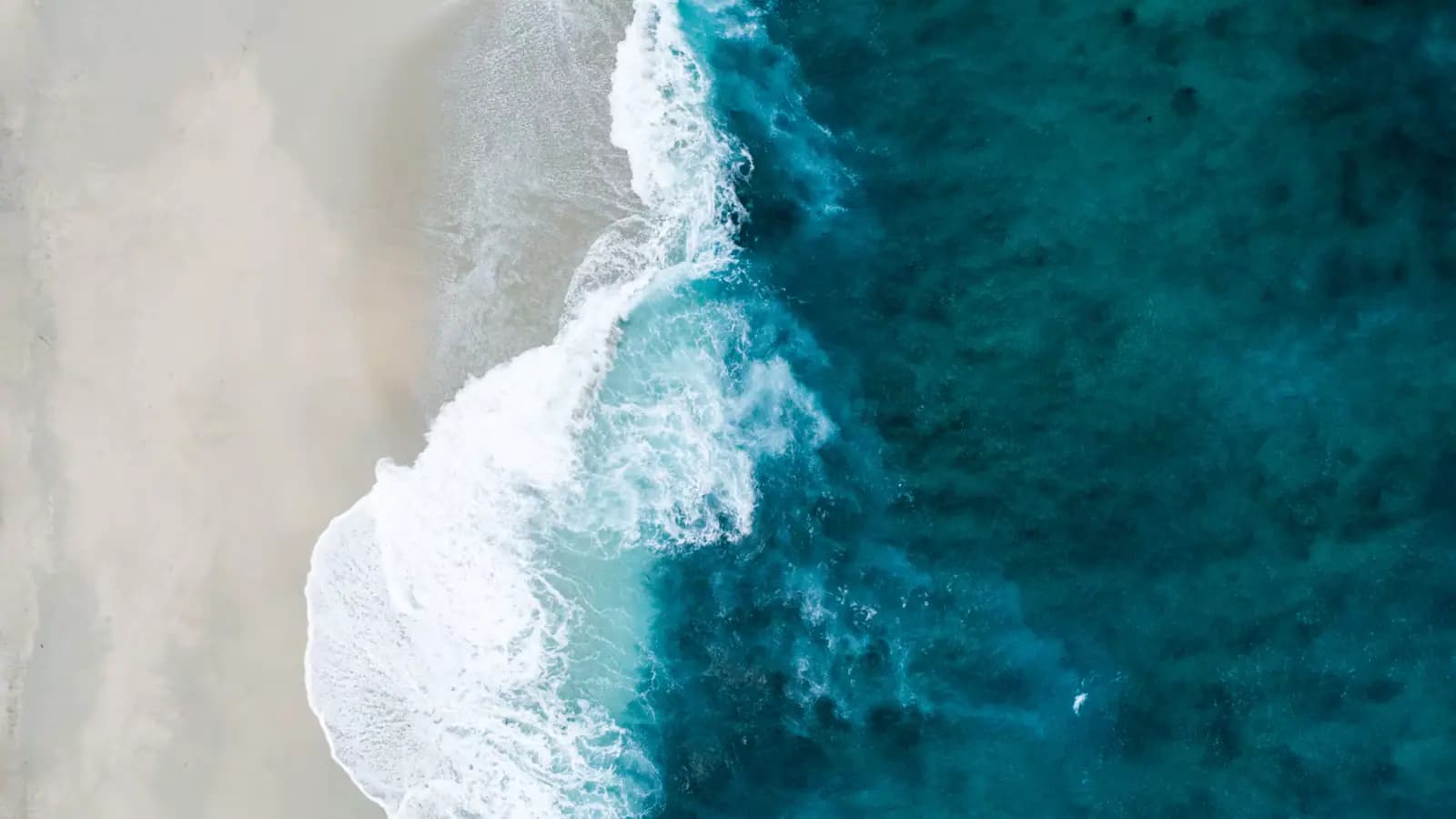
Guide
The same sand that is a family beach in July closes to swimmers in January. Learning which coast you are standing on is the single most useful thing a visitor here can do.
10 min readPete Sorensen
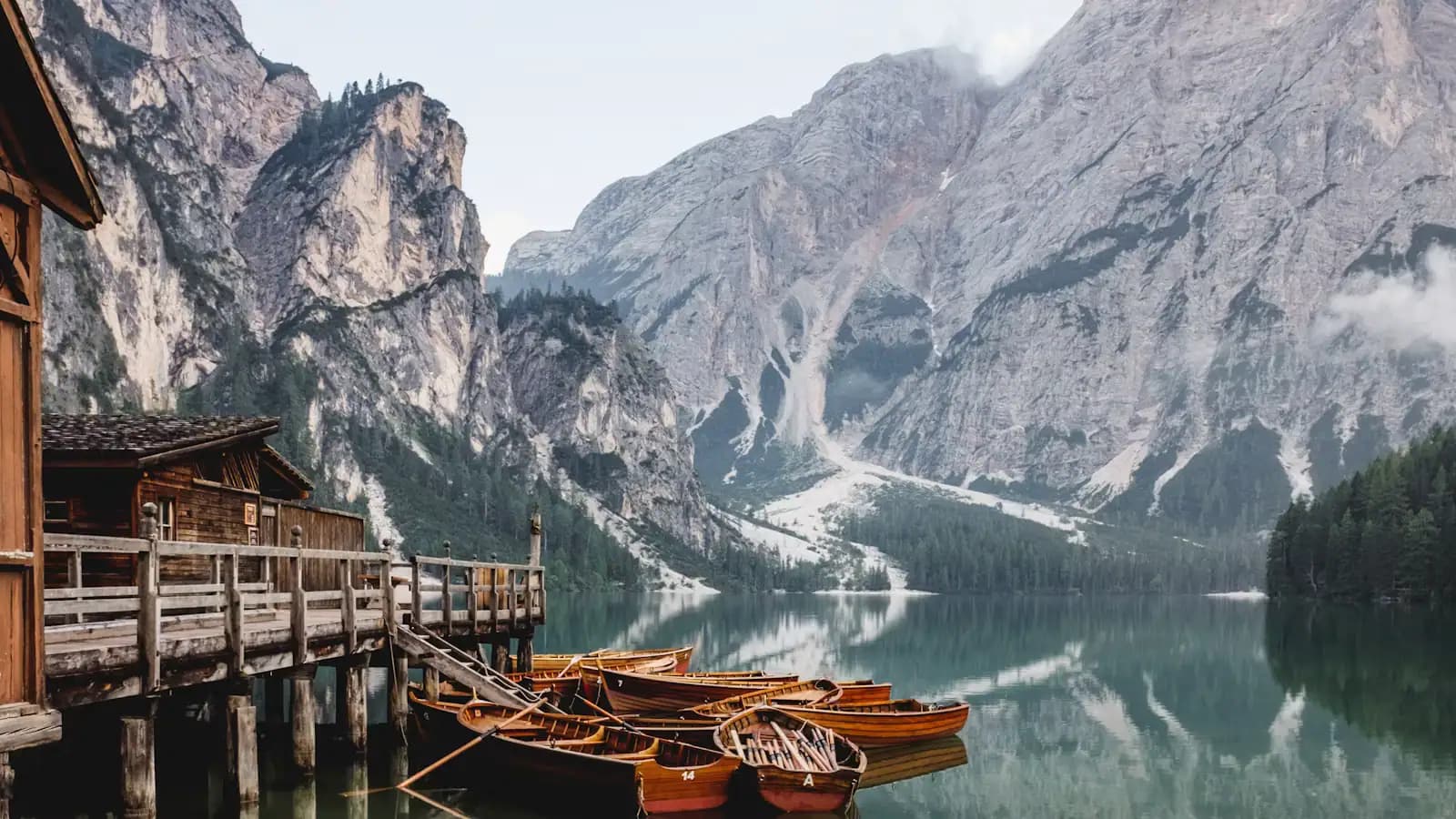
Guide
About the same number of people live along this coast as fill a single Waikīkī hotel block, and several million visitors a year drive past their houses. Most of what follows is about that.
9 min readMalia Fonoti