Plantation Tours
Oahu: Full or Half Day Grand Circle Island Tour (opens in a new tab)
Choose from two exciting ways to experience Oahu's top attractions, scenic beauty, and local culture. Option 1: Dole Plantation & Haleiwa…
6–7 hours
Prices checked

Entertainment
Last updated
Six Pacific island villages on 42 acres at Lāʻie, largely staffed by BYU–Hawaiʻi students, running midday to the night show.
The Polynesian Cultural Center is the largest paid attraction on this side of Oʻahu and the only one that will take your entire day, which is the first thing worth knowing about it. It opened in 1963 on 42 acres at Lāʻie, on the windward stretch north of Kāneʻohe and south of Kahuku, and it is owned and run by The Church of Jesus Christ of Latter-day Saints as a non-profit tied to Brigham Young University–Hawaiʻi. A large share of the people you meet in the villages are students working their way through that university, often from the islands they are representing. That is not a marketing line; it is the operating model, and it is why the Samoan fire-knife demonstration is being given by somebody from Samoa.
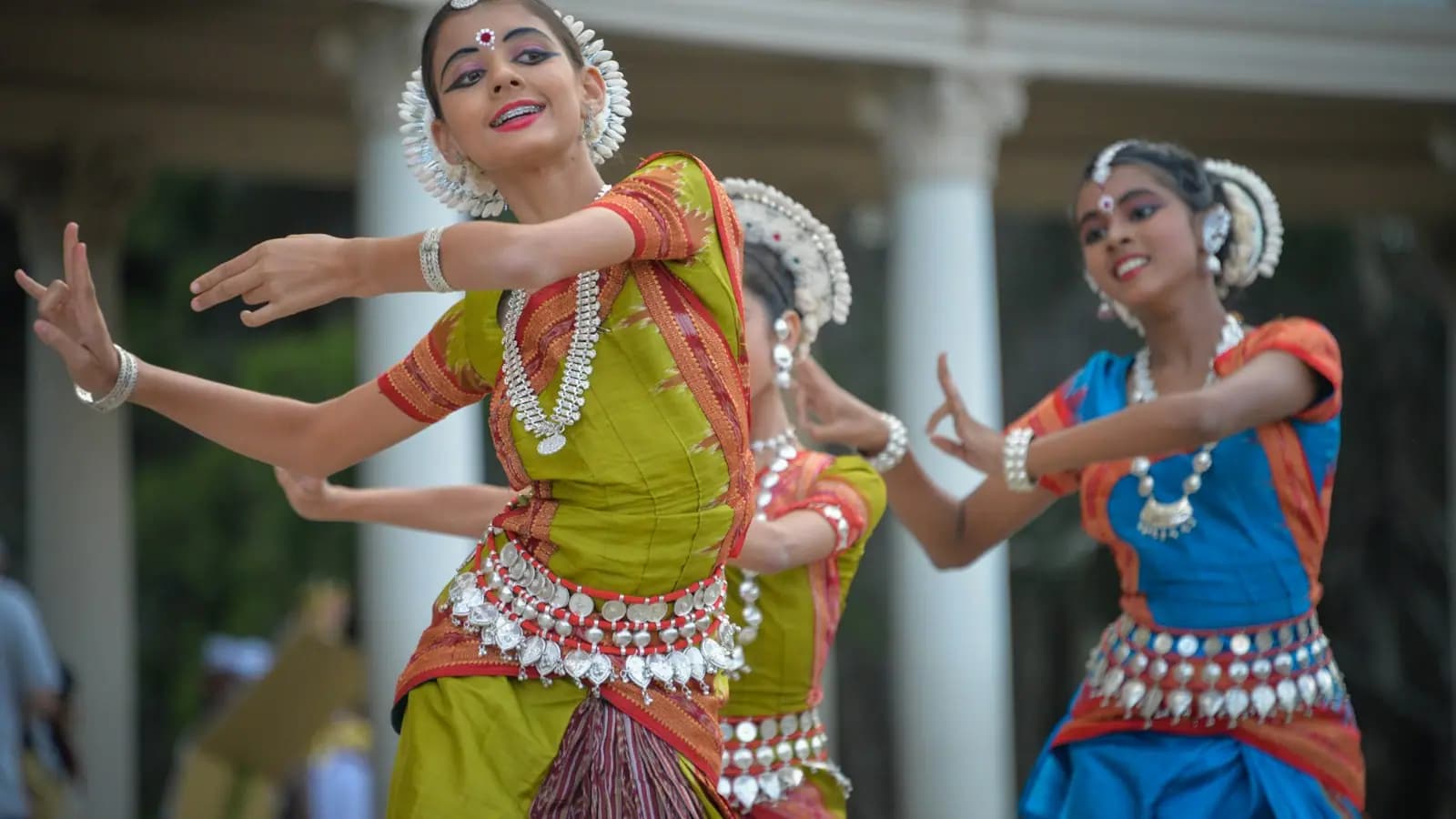
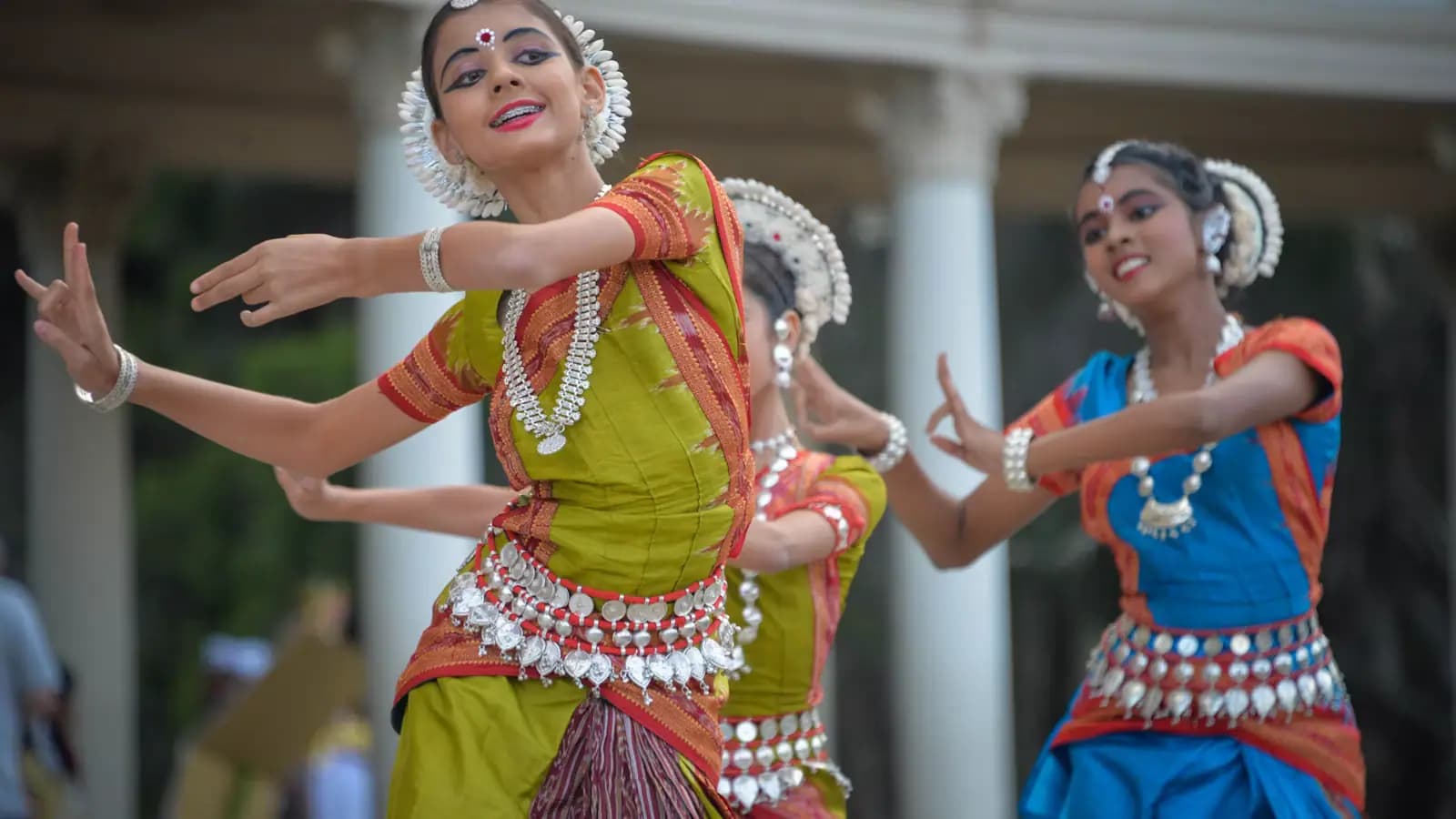
The grounds are laid out as six island villages — Hawaiʻi, Sāmoa, Aotearoa, Fiji, Tahiti and Tonga — arranged around a lagoon, with a canoe pageant on the water in the afternoon and a large-cast evening show in a covered amphitheatre. Between them sit demonstrations you take part in rather than watch: pounding kalo, learning a few Tongan drum patterns, lashing a hale, throwing a Sāmoan spear badly. It is a presented version of Pacific culture, staged and repeated on a schedule, and it is honest about being that. It is also the only place on Oʻahu where you can hear six languages spoken in an afternoon by people who grew up in them.
The awkward part is the clock. The gates open around midday, not in the morning, and the evening show finishes late. That is a full commitment on a coast where most visitors are trying to fit beaches, Haleʻiwa and a drive into the same day. You cannot do the North Shore properly and the PCC properly on the same day, and anyone who tells you otherwise has not sat in the Kamehameha Highway queue at four in the afternoon.
Closures matter more here than at almost any other attraction on the island. It shuts on Sundays, and it now shuts on most Wednesdays too, with published seasonal exceptions. Check the current calendar before you build a trip around it.
Lāʻie sits on Kamehameha Highway on the windward side, between Kahuku to the north and Kaʻaʻawa to the south. There are two routes from Waikīkī and they are close enough in time that traffic decides it.
The windward route — H-1 to the Likelike or the H-3 through the Koʻolau tunnels, then north on Kamehameha Highway past Kāneʻohe, Kualoa and Kaʻaʻawa. Slower in miles, prettier by a distance, and it passes Kualoa Ranch and Byodo-In if you want to stack them.
The central route — H-1 to H-2 north through Wahiawā, past Dole Plantation, down the hill to Haleʻiwa, then east along the North Shore through Waimea, Sunset and Kahuku. Allow extra for the Haleʻiwa bottleneck, which is a genuine constraint in the afternoon.
Either way, plan on roughly an hour and a quarter each way without incident, and more on a Friday. TheBus route 60 serves Lāʻie from Honolulu and Haleʻiwa, but it is a long ride and it will not get you home after a night show.
Parking is on site and free with admission.
Treat this as a whole-day plan or skip it. The gates open around midday, the villages run their demonstration schedule through the afternoon, the canoe pageant lands in the late afternoon, dinner or the lūʻau sits in the early evening and the amphitheatre show finishes at night. Add the drive.
From Waikīkī, Lāʻie is roughly an hour and a quarter each way on a good run, either over the Koʻolau on the H-3 and round the windward coast, or up the H-2 through Wahiawā and down the North Shore. Going home after a night show means driving an unlit two-lane highway when you are tired, which is worth factoring in if anyone in the car is nervous about that.
The practical shapes that work:
If you are staying on the North Shore rather than in Waikīkī, the calculus changes entirely: Lāʻie is twenty to thirty minutes from Turtle Bay and the evening drive home is short.
For decades the rule was simple: closed Sundays. That is no longer the whole rule, and a lot of older guidebooks, blog posts and printed itineraries have not caught up.
As of our check in September 2026 the centre is closed on Sundays and on most Wednesdays, with specific seasonal Wednesday exceptions published on its own site, plus Thanksgiving, Christmas Day and New Year's Day. The Wednesday exceptions tend to cover the peak summer weeks and the days around the winter holidays.
Two consequences. First, if you are on a short trip with one flexible day, confirm the calendar before you commit that day — turning up to a locked gate at Lāʻie after an hour's drive is a genuinely bad afternoon. Second, do not rely on a third-party listing, including this one. Hours and closure days at attractions of this size are revised more often than anyone republishes them. Check the centre's own operating-hours page the week you travel.
The same applies to ticket tiers. Packages are sold as general admission, admission plus lūʻau, admission plus show, and various all-in versions with guided elements. The structure is stable; the prices are not.
The villages are the reason to come, and they reward slowing down rather than collecting all six. Each runs a rotating schedule of demonstrations posted at the entrance, so the sensible method is to pick three or four village presentations you want to see, write down their times, and treat the gaps as browsing rather than trying to catch everything.
Sāmoa tends to draw the biggest crowd, because the coconut-husking and fire-making demonstration is performed as comedy and performed very well. Aotearoa runs a haka and poi, and will pull visitors in to try. Tonga is drums, and the drum session is the one children remember. Fiji has the derua and the bure. Tahiti runs ʻori Tahiti and a dance lesson that nobody escapes gracefully. The Hawaiʻi village handles the awkward job of presenting the host culture to people standing in it, and does it with less spectacle and more explanation.
Interspersed are craft stations — kapa, weaving, tattoo design, lei — where the students will talk to you for as long as you are interested. This is where the place is at its best, and it is entirely wasted if you are speed-walking to the next show time.
Lāʻie is a town of around six thousand people, and its makeup is unusual for Oʻahu: a very large Pacific Islander population, with substantial Tongan, Sāmoan, Fijian and Māori communities, many connected to the university. In Hawaiian tradition the area was a puʻuhonua, a place of refuge where someone who had broken a kapu could be absolved rather than killed. The church bought the plantation land here in 1865 and the town grew from that.
Two things within a few minutes are worth the detour. Lāʻie Point is a short drive up a residential street to a lithified-dune headland with a holed islet offshore — five minutes, free, and the best sea view on this stretch. The Lāʻie Hawaiʻi Temple and its grounds sit above the highway; the temple itself is not open to the public, but the visitors' centre and gardens are, and the approach up the palm avenue is worth a slow drive.
Northward, Mālaekahana and Goat Island are ten minutes away, and the Kahuku shrimp trucks are fifteen. If your PCC day starts at midday, that whole morning is sitting there unclaimed.
Operators run these trips past PCC, or stop there as part of a longer route. We list what the booking data supports — not everything that mentions the name.
Some links below go to Viator, our booking partner. We earn a commission on bookings made through them — at no extra cost to you, and with no influence on what we recommend.

Plantation Tours
Choose from two exciting ways to experience Oahu's top attractions, scenic beauty, and local culture. Option 1: Dole Plantation & Haleiwa…
6–7 hours
Prices checked

Low Supplier Cancellation Rate
Come join on a circle island adventure led by some of Hawaii’s most knowledgeable local guides and experience breathtaking lookouts to…
Full day
Prices checked

Low Supplier Cancellation Rate
Experience the thrill of Oahu parasailing on this unforgettable 1-hour adventure from Waikiki. Soar up to 1,000 feet above the stunning…
1 hour
Prices checked

Short term availability
Turn back time as we explore WWII history at Pearl Harbor and relive the infamous Sunday morning of December 7, 1941. Enjoy a half-day…
4 hours
Prices checked

Culture
Step into the vibrant heart of Hawai‘i and experience a luau like no other—where culture, history, and celebration come alive under the…
4 hours
Prices checked

Curated Catalog
Toa Luau invites you to immerse yourself in the beauty and excitement of Polynesia on Oahu’s historic North Shore! Book any one our 3 Luau…
3 hours
Prices checked
Straight-line distances, so allow more on the road — the island is long and has one main parkway.

Viewpoint
A lithified-dune headland at the end of a Lāʻie side street, with a hole punched clean through the islet offshore.
5–20 minutesFree. A state wayside with a handful of parking spaces and a railing.0.6 mi away

Beach
A mile of ironwood-shaded windward sand with an island you can walk to at low tide and a gate that locks at dusk.
1.5–5 hoursFree for day use, with free parking inside the gate. Camping is permitted and charged.1.3 mi away

Nature preserve
A seabird sanctuary seven hundred feet off Mālaekahana that you can walk to, in the right two hours of the day.
1.5–3 hoursFree. No fee, no boat to pay for and no ticket — just the tide and your own judgement.1.5 mi away

Dining district
Shrimp farms that grew a kitchen, strung along two miles of a former sugar town. Order it shell-on and accept the garlic.
1–2 hoursFree to visit; you pay for what you eat. A garlic shrimp plate with rice is a mid-range plate-lunch price rather than a snack price.3.3 mi away
Where this place fits into a day, and the pages that plan one.

Guide hub
The North Shore is roughly thirty miles of coast along the top edge of Oʻahu, from the polo fields and the airfield at Mokulēʻia, round Kahuku…

Guide hub
The North Shore's named places are almost all natural, almost all free, and almost all strung in a line along one road. There is no historic…

Guide hub
Oʻahu sells more bookable experiences than any other Hawaiian island — well over a thousand products in the market — and almost all of them are sold…

Things to do
Start with the thing that goes wrong. The Polynesian Cultural Center is closed on Sundays and on Wednesdays. Not one day, two, and the Wednesday…

Who it suits
The North Shore with children is two completely different holidays, and the one you get depends on the month rather than on how you plan it. From…

Who it suits
Start with the thing that will save you a wasted decision: rain on the North Shore is almost never a reason to cancel a day. It arrives as squalls…

Guide
One large resort, a thin and legally complicated rental market, two campgrounds and a coast where dinner stops at seven. Staying up here is a decision, not a default.
9 min readNalani Kahale

Guide
In July the North Shore is one of the best family coasts in Hawaiʻi. In January it is a place to watch from behind a rope. Planning the right one is the whole job.
9 min readNalani Kahale

Guide
About a hundred miles, three and a half hours of driving and no road around Kaʻena Point. Which direction you choose decides which side of the car the ocean is on.
9 min readNalani Kahale
Yes, and as of our September 2026 check it is also closed on most Wednesdays, with published seasonal exceptions in peak summer and around the winter holidays. It also closes on Thanksgiving, Christmas Day and New Year's Day. The Wednesday closure is recent enough that plenty of older guides still say Sundays only, so confirm the current calendar on the centre's own hours page before you build a day around it.
A full day. The gates open around midday rather than in the morning, the villages run demonstrations through the afternoon, the canoe pageant is late afternoon and the amphitheatre show finishes at night. Add roughly an hour and a quarter of driving each way from Waikīkī. Five hours is a rushed visit, eight is a normal one, and you will not also see Waimea and Haleʻiwa properly on the same day.
Not well. The centre does not open until midday, which sounds like it leaves a free morning, and it does if you are staying up here — Mālaekahana, Kahuku Point or the shrimp trucks fill it comfortably. From Waikīkī it does not work, because you would be driving the North Shore twice and hitting the Haleʻiwa bottleneck in the afternoon. Pick one, or split them across two days.
A large proportion of the staff are students at Brigham Young University–Hawaiʻi, the campus next door in Lāʻie, many from the Pacific island nations the villages represent. The centre is a non-profit owned by The Church of Jesus Christ of Latter-day Saints and the employment scheme is how a lot of those students fund their degrees. It is the reason the craft stations are worth lingering at: you are talking to someone from the place, not a hired performer.
It holds up better than most outdoor attractions here. This is the windward coast, where showers arrive and pass within the hour, and the village demonstrations largely run in covered hale or continue in the rain. The amphitheatre for the evening show is covered. Bring a light layer rather than an umbrella — the trade winds destroy umbrellas — and expect the grass sections to be wet underfoot.