Free
Beach
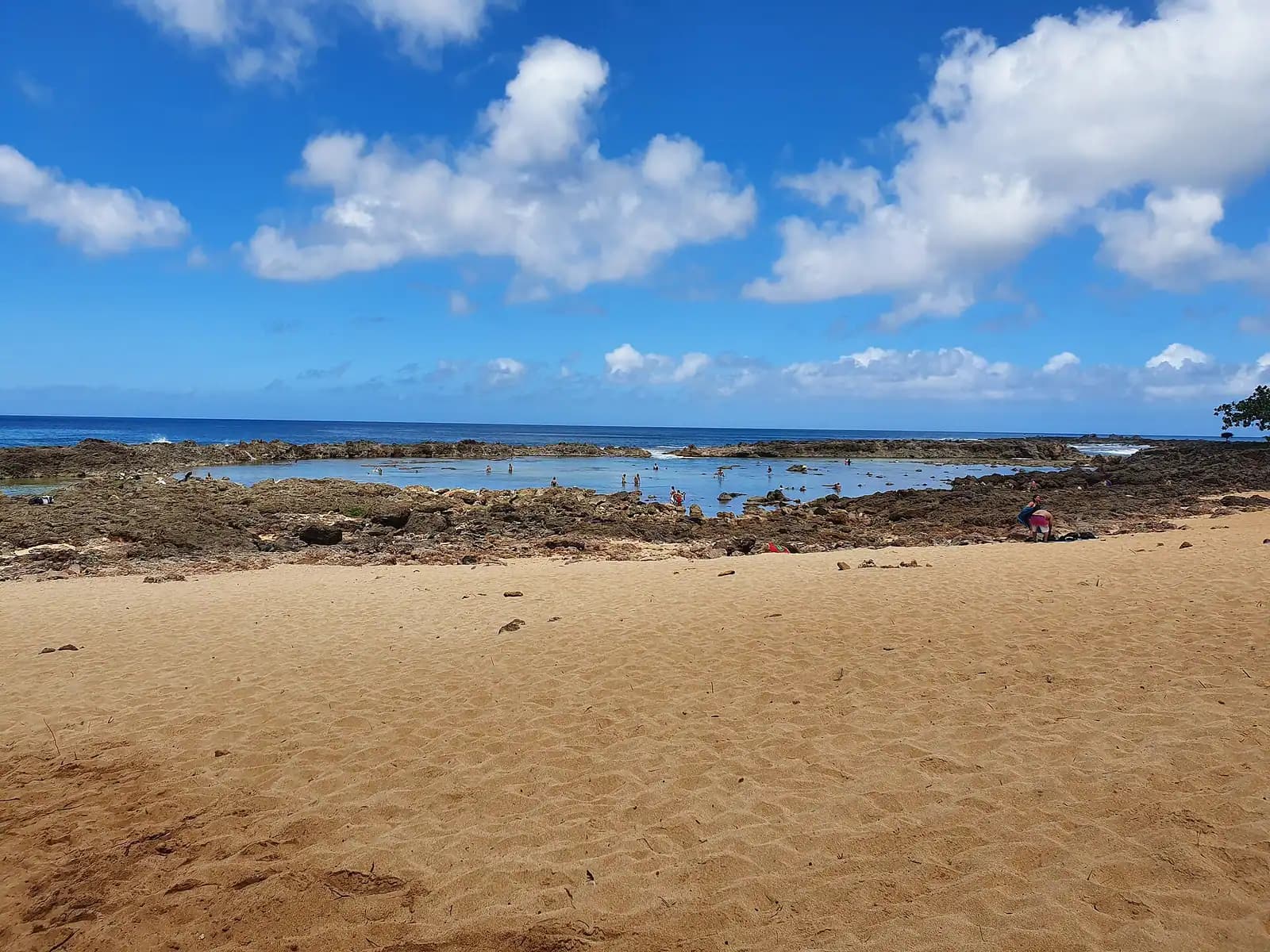
Shark's Cove
The best shore snorkelling on Oʻahu for four months of the year, and one of the most dangerous places on the island for the other four.
1.5–4 hoursFree, with free parking in the beach park lot and along the highway.
Things to Do
Oʻahu's North Shore for two: where the sun really sets on a north-facing coast, why dinner happens at six, and the empty beaches day-trippers never reach.
The North Shore is not a romance-package coast and it is better for it. There is one large resort on thirty miles of shoreline, almost no fine dining, no rooftop bars and nothing at all happening after nine. What there is instead is space: beaches with nobody on them at seven in the morning, a track out to a headland where the only company is nesting albatross, and an ocean that in winter does something so large that two people standing on the sand watching it will not say much for twenty minutes.
Couples come up here from Waikīkī for a night or two and almost always say the same thing afterwards — that the drive back down felt like leaving somewhere much further away than an hour. That is the product. If you want a concierge, a tasting menu and a late bar, stay on the south shore and come up for the day. If you want the version of Oʻahu where you can hear the water, book two nights on this coast.
The practical shape of a couples' trip here is different from a family one in three ways. The first is timing: this coast belongs to whoever is up at six, and the reward for an early start is a beach to yourselves before the day-trip vans arrive around ten. The second is dinner, which is the thing that catches everybody out — most kitchens on this coast stop serving well before nine and Haleʻiwa is quiet by then, so six or seven is the local hour rather than an early night. The third is that the ocean decides the itinerary. From roughly May to September you will spend the trip in the water; from November to March you will spend it looking at it, and both are good if you booked for the right one.
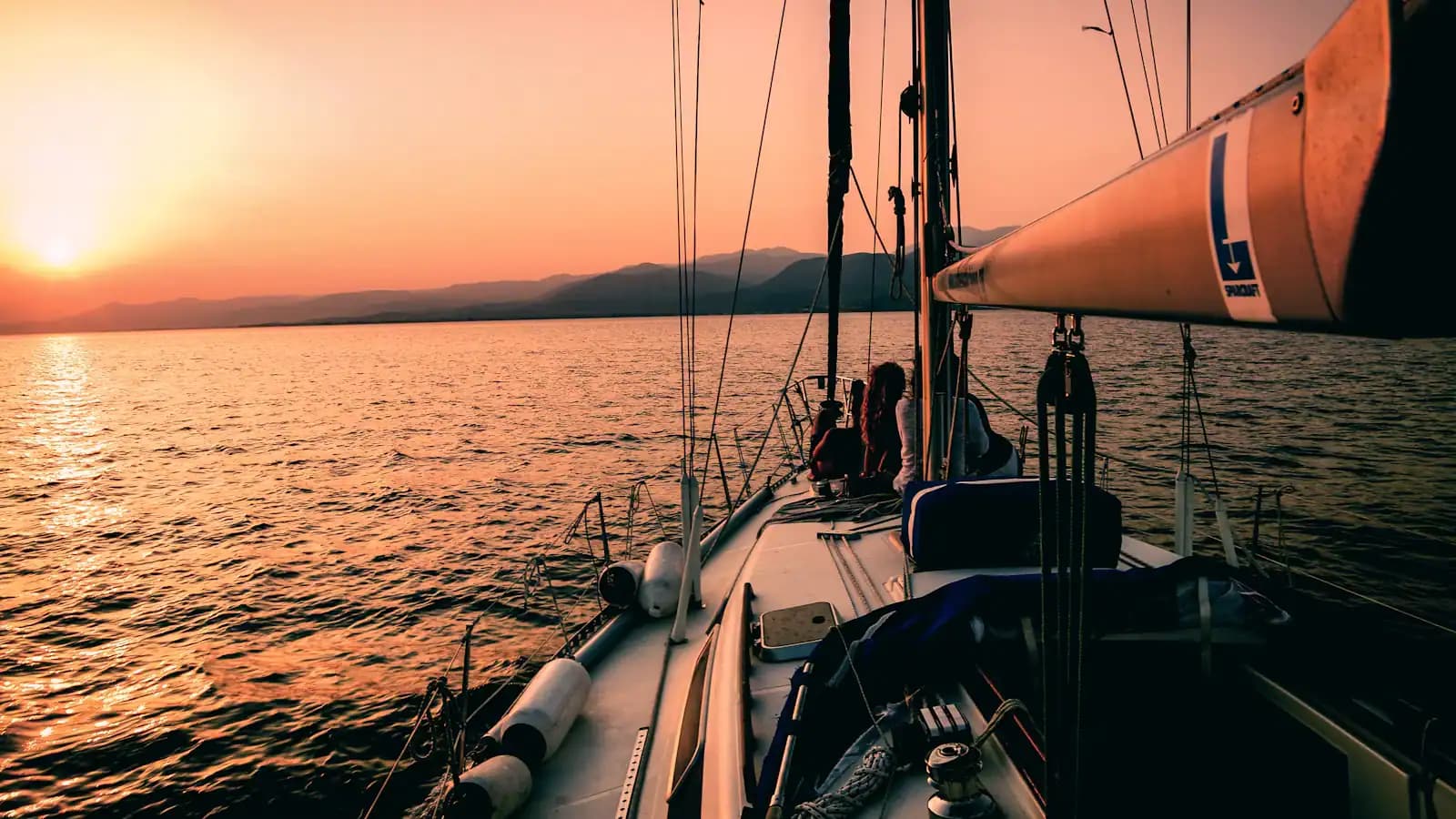
Sunset is worth a paragraph on its own, because most people get it wrong. This coast faces north, which means the sun does not simply set over the sea from everywhere along it. The reliable sunset ground is the western end — Haleʻiwa, Waialua and especially Mokulēʻia, where there is nothing between you and the horizon and almost nobody there. In summer, when the sun drops far to the northwest, Sunset Beach earns its name properly. In midwinter it does not, which is a small and useful thing to know before driving somewhere for it.
What follows is written for two adults with a car, two or three nights, and no particular need to be entertained.
The case is not that the North Shore is a better Waikīkī. It is that it is the opposite of one, an hour away, on the same island.
You get mornings. The single best thing about staying on this coast is being on a beach before anyone has driven up from town. Waimea Bay's lot is full by ten in summer and empty at seven. Shark's Cove has visibility at seven that it does not have at eleven, once a hundred fins have stirred the sand. No day trip from Waikīkī can buy you that hour, because the drive is an hour.
You get evenings. The day-trip vans turn round in the late afternoon and this coast empties. Sunset at Mokulēʻia in September with nobody on the beach is not something the island offers anywhere else within reach of an airport.
The scale of the water. In winter this is one of the few places on earth where a non-surfer can stand safely on dry sand two hundred yards from forty-foot faces. It is overwhelming and it does not photograph, which is part of why it works as an experience for two rather than as content.
The trade-off, plainly. The dining is a handful of small kitchens and food trucks. There is one large resort, rebranded under the Ritz-Carlton flag in 2024, and after that vacation rentals in Pūpūkea and Sunset, a few inns around Haleʻiwa and the campgrounds at Mālaekahana. There is no nightlife, and you will drive to everything.
The middle option. Two nights up here and the rest of the trip in Waikīkī is what most couples end up doing, and it is the right structure: the mornings and the emptiness, without needing the coast to provide a week of dinners.
When to go
Worth understanding properly, because the obvious answer is wrong for half the year.
The geometry. The North Shore faces roughly north to northwest. The sun sets in the west, swinging to the northwest around the summer solstice and to the southwest around the winter one. So a beach facing north-northwest gets the sun down over water in summer and behind the land in winter.
Where it always works. The western end. Haleʻiwa Beach Park and the harbour mouth, Waialua's shoreline, and above all Mokulēʻia, where the coast turns west towards Kaʻena Point and there is open ocean the whole way to the horizon. Mokulēʻia in particular is empty at that hour in any season — it is past the last of the day-trip traffic and there is nothing to stop for on the way.
Where it works in summer. Sunset Beach, which is named for it and deserves the name from roughly May to August. Ehukai and Pūpūkea too. In December those same beaches have the sun going down behind the headland to the west.
Where it does not work. Anywhere on the Lāʻie and windward stretch, which faces east. That end is a sunrise coast, and Lāʻie Point at first light is genuinely worth setting an alarm for.
Practical. Sunset on Oʻahu runs from around 5:50pm in midwinter to just past 7:15pm in midsummer. Get there half an hour before, bring something to sit on, and accept that the drive back afterwards is unlit two-lane road. Plan dinner for after, not before — and see the next section, because on this coast "after sunset" is later than the kitchens.
Every one of these is free and every one of them is better before ten in the morning or after four in the afternoon.
Mokulēʻia. The stretch of coast west of Waialua, running out towards the end of the road. Long, exposed, unlifeguarded, and almost always empty. The polo fields are behind it and gliders circle over the airfield on a good afternoon. This is the one to drive to for sunset.
Kaʻena Point. Two and a half miles each way along an old railbed from the Mokulēʻia end, flat and unshaded, to a Natural Area Reserve behind a predator-proof fence: restored dunes, a Laysan albatross colony nesting from around November to July, and monk seals on the rocks. Go at first light, carry water, keep fifty feet from any seal.
Kawela Bay and the protected coves near Turtle Bay. Sheltered enough to swim in most conditions, which makes them the winter answer, and the ironwood shoreline walk between them is shaded — a rarity here.
Lāʻie Point at sunrise. A short basalt headland with a sea arch, reached through a residential street, facing east into the light. Ten minutes, quietly, park considerately, and do not climb towards the edge.
The Ehukai pillboxes. A steep, root-laced climb behind Ehukai Beach Park to old military lookouts with the whole Seven Mile Miracle laid out below. Not long, genuinely steep, and best early before the heat.
Waimea Valley at opening. The paved path up the valley is at its best in the first hour, before the tour groups, when the botanical collection is quiet and you can hear the stream.
Waialua. Half an hour among the old sugar mill buildings and the businesses that took them over — coffee, soap, surfboards. What Haleʻiwa would be without visitors.
When to go
The shape that works. Move things for swell, not for convenience.
Day one. Drive up the windward coast rather than over the top — Kamehameha Highway through Kāneʻohe, Kualoa and Lāʻie, around ninety-five minutes, with the Koʻolau wall on one side. Stop at Byōdō-In early if temples appeal, or at Kualoa if you have booked something. Arrive at the coast in the early afternoon, check in, and spend the rest of the day on whatever beach the conditions allow. Sunset at Mokulēʻia. Eat at seven.
Day two, morning. Up early. This is the whole reason you are staying here. In summer, Shark's Cove or Three Tables with masks at seven, before the sand is stirred up. In winter, Waimea Bay's lot at first light to watch the sets come in, then Puʻu o Mahuka Heiau on the ridge above for the view down.
Day two, middle. Waimea Valley's paved walk and the falls, or the drive out to Kaʻena Point if you want the long empty version. Lunch at the Kahuku trucks or from the food trucks at Shark's Cove.
Day two, afternoon. Haleʻiwa town properly — the galleries, the board shapers, shave ice from one of the two long-standing shops, and the harbour. Then back to the beach for the last of the light.
Day three. One more early swim or walk, then drive down over the top through Wahiawā, stopping at Dole Plantation because it is free to walk into and directly on the route. You will be back in Honolulu by lunchtime.
If you only have one night, cut day one's windward drive and come up the freeway. The mornings are the part worth protecting.
What it costs
Bands, not quotes. Confirm before booking.
Accommodation is the real variable and supply is thin. One large resort at Turtle Bay, rebranded under the Ritz-Carlton flag in 2024, prices at the top of the island's market. Below it, vacation rentals in Pūpūkea, Sunset and Kahuku, a few small inns around Haleʻiwa, and the campgrounds at Mālaekahana. Because there is so little of it, the gap between a September booking and a July one is wider here than in Waikīkī, and the fortnight around Christmas and New Year prices like Waikīkī outright.
Activities. Most of what makes this trip good is free: the beaches, the sunsets, the heiau, the Kaʻena walk, watching winter surf. The paid list is short. Waimea Valley is mid-twenties for an adult. A summer snorkel or dive charter out of Haleʻiwa harbour sits in the $100 to $180 band, which is around the Oʻahu median of roughly $109. A tandem skydive from Kawaihāpai Airfield at Mokulēʻia runs $200 and up, and the photo package is charged separately. Private boat charters and private vans are quoted per vehicle and start around $400.
Food. Low by Oʻahu standards and genuinely good. Shrimp plates at Kahuku have recently run in the mid to high teens. Shave ice is a few dollars. A sit-down dinner for two at the coast's small restaurants is a mid-range bill rather than a resort one, with Turtle Bay the exception.
The unavoidable. A rental car for the whole stay. Petrol, which is limited and dear north of Haleʻiwa — fill up in Wahiawā. And one grocery shop on the way in, which is the cheapest thing you will do all trip and solves the dinner problem twice over.
Book it
We could not find tours matching this right now
Nothing came back for North Shore Oahu. Operators add and retire experiences constantly, so this list changes week to week. Try a broader category, or come back in a day or two.
Before you book
If you take one practical point from this page, take this one. The North Shore eats early.
Most kitchens on this coast stop serving well before nine, and Haleʻiwa town is quiet by then. Outside the resort at Turtle Bay, very little will feed two adults at half past eight on a Tuesday. This is not a shortage of options during the day — it is that the day ends earlier than visitors from a city expect.
What that means in practice:
The upside of all this is the thing couples actually come for. Because nothing is open, evenings here are spent outside — on the sand after sunset, on a lānai listening to the surf, or driving ten minutes to somewhere with no light pollution. Once you stop fighting the schedule it stops being a problem and starts being the point.
On the ground
Every place below has its own page — hours, parking, what it costs and what to expect when you get there.
Beach
The best shore snorkelling on Oʻahu for four months of the year, and one of the most dangerous places on the island for the other four.
1.5–4 hoursFree, with free parking in the beach park lot and along the highway.
Park
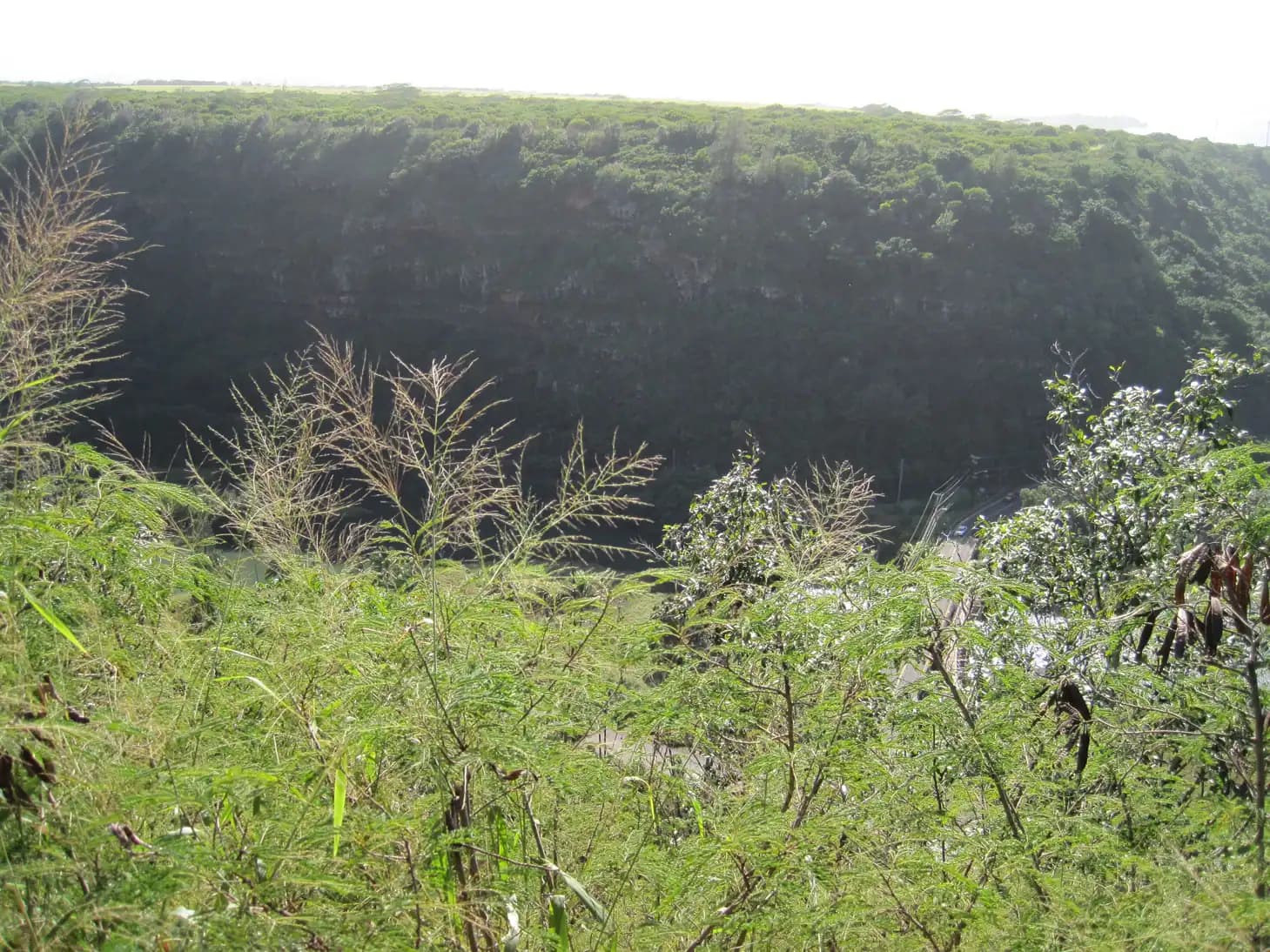
A paved three-quarter-mile walk through botanical collections to a waterfall pool you may swim in. Life jacket required, lifeguard's call.
2–3.5 hoursPaid admission, in the mid-twenties per adult at the time of writing, with lower rates for seniors, students and children and discounts for kamaʻāina and military with ID.
Nature preserve
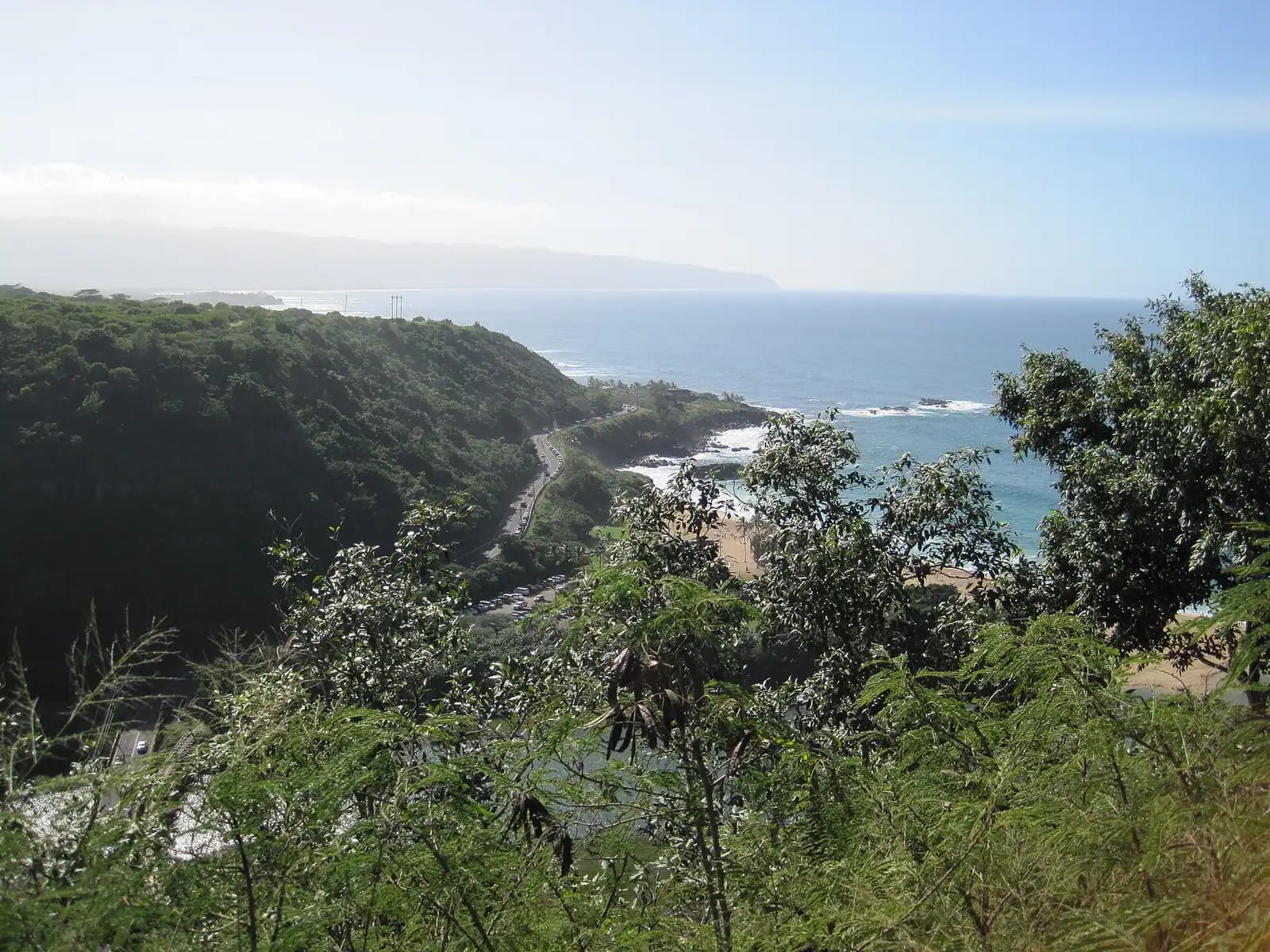
Five miles on foot along an old railbed to the island's northwestern tip, where albatross nest behind a predator-proof fence.
2.5–4 hoursFree. No permit required for day hiking to the point from either trailhead.
Beach
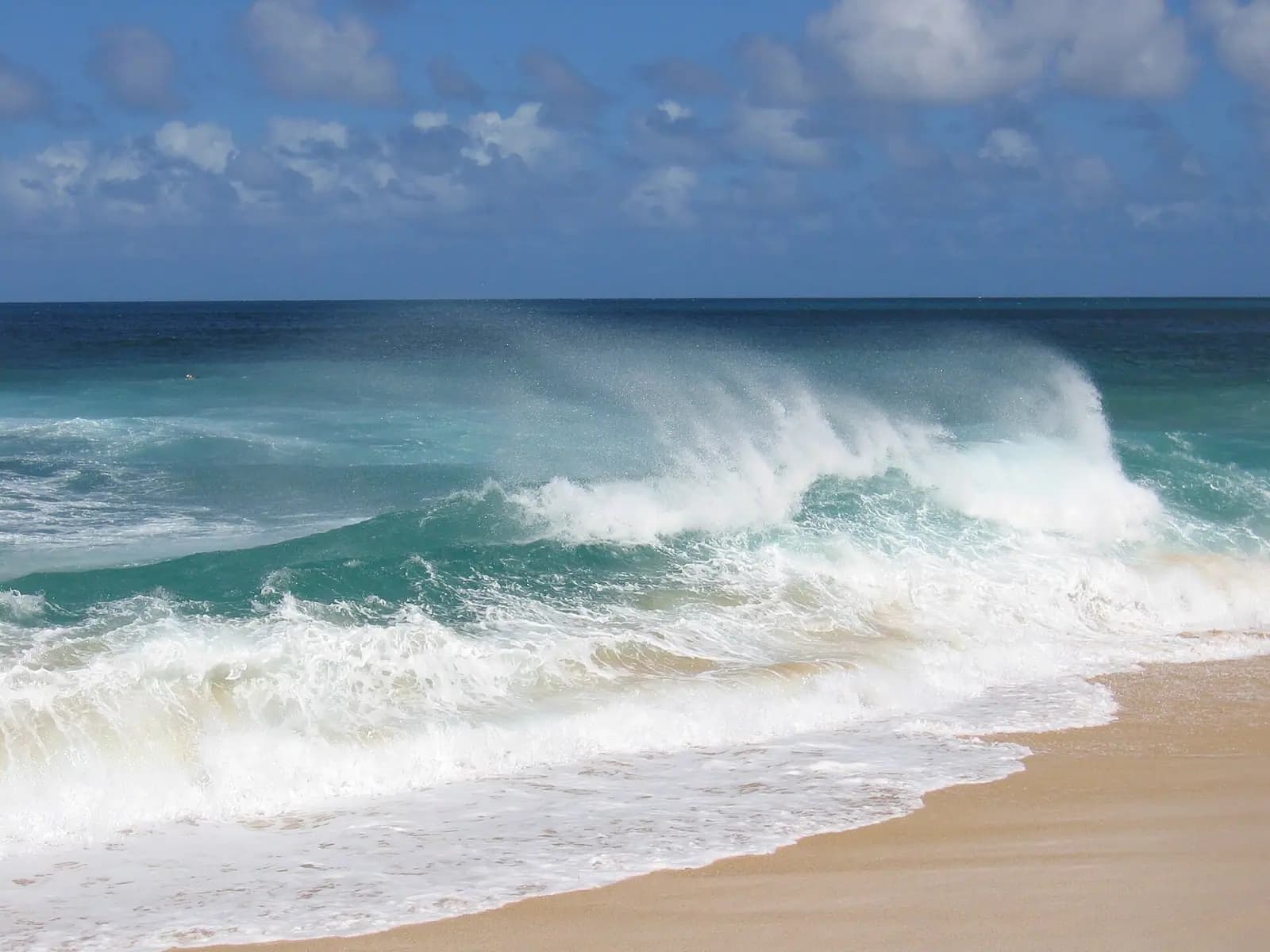
Two miles of sand the winter ocean removes and the summer ocean puts back, with the coast's most notorious rip running through it.
1–4 hoursFree, with a free lot that is larger and more reliable than anything else on this stretch.
Neighbourhood
The coast's only real town, and the traffic jam that decides your whole day. Shave ice, surf shops, galleries, and everything shut by nine.
1–3 hoursFree to visit. Parking is free in the shop lots and on the street.

Historic site
The largest heiau on Oʻahu, on the bluff above Waimea Bay. A sacred site that is still in use, not a lookout with a car park.
20–45 minutesFree. There is no entrance fee and no charge to park.

Beach
The coast's only large resort — and under Hawaiʻi law its best swimming cove and its coastal trails are open to everyone.
2–6 hoursThe beaches and coastal trails are free and public. Golf, riding, dining and spa services are resort-priced.

Landmark
A 1968 concrete replica of an eleventh-century Uji temple, set against the Koʻolau pali inside a working cemetery.
1–1.5 hoursA modest per-person admission, charged at a booth on the way in, with reduced rates commonly offered for children and seniors.

Viewpoint
A lithified-dune headland at the end of a Lāʻie side street, with a hole punched clean through the islet offshore.
5–20 minutesFree. A state wayside with a handful of parking spaces and a railing.

Landmark
The only field on Oʻahu that can run skydiving, on a strip of Mokulēʻia coast with a mountain ridge making the lift.
2–4 hoursThere is nothing to buy admission to. You pay an operator for a tandem skydive or a glider flight; tandem jumps are a substantial per-person cost, glider rides typically less.

Beach
Six miles of mostly empty sand west of Haleʻiwa, where the trades blow hardest and almost nobody stops.
1–3 hoursFree. County beach park with a small free lot; roadside parking elsewhere.

Neighbourhood
A plantation town that lost its mill in 1996 and turned the tower into a soap factory, two miles and one world from Haleʻiwa.
1–2 hoursFree. There is no gate, no ticket and no charge to walk the mill yard.
Straight answers
Yes, if you want space rather than service. There is one large resort, almost no fine dining and nothing open late, and what you get in exchange is empty beaches at seven in the morning, sunsets at Mokulēʻia with nobody there, and in winter an ocean at a scale that stops conversation. Most couples do two nights up here and the rest of the trip on the south shore, which is the right structure.
Mokulēʻia, west of Waialua, where the coast turns towards Kaʻena Point and there is open ocean to the horizon. It works in any season and is almost always empty. Haleʻiwa Beach Park and the harbour mouth also work year round. Sunset Beach earns its name from roughly May to August, when the sun drops far to the northwest — in midwinter it sets behind the land there, which catches people out.
The options are thin, which is the point. There is one large resort at Turtle Bay, rebranded under the Ritz-Carlton flag in 2024, at the northeastern corner with the coast's most reliable winter swimming beside it. Below that, vacation rentals in Pūpūkea, Sunset Beach and Kahuku, a few small inns around Haleʻiwa town, and the campgrounds at Mālaekahana. Book well ahead for summer and for the Christmas fortnight.
Effectively none, and visitors should plan for it rather than be surprised by it. Most kitchens stop serving well before nine, Haleʻiwa is quiet by then, and outside Turtle Bay there is very little that will feed two adults at half past eight. Eat at six or seven, book if a sit-down dinner matters, and keep something in the fridge if you are in a rental. Evenings here happen outside.
Being on a beach before anyone has driven up from Waikīkī. In summer that means masks at Three Tables or Shark's Cove at seven, before the sand is stirred up; in winter it means Waimea Bay's empty lot at first light watching the sets arrive. After that: sunset at Mokulēʻia, the walk out to the albatross colony at Kaʻena Point, and Waimea Valley's paved path in its first quiet hour.
Two. One night gets you a single morning, which is the part worth protecting, and three starts to run out of things that need doing. Two nights gives you a full early morning on each side, one long afternoon for Waimea Valley or the Kaʻena Point track, and two sunsets. Drive up the windward coast and back over the top through Wahiawā so the journeys are part of the trip.
Yes, for entirely different reasons. You will not swim at the famous beaches — lifeguards close them regularly between November and March and the Waimea shorebreak injures strong adults. What you get instead is twenty to thirty-foot surf on Hawaiian scale breaking a couple of hundred yards away, the Triple Crown waiting period through November and December, humpbacks offshore, and a coast with far fewer people on it.
Keep exploring

Guide hub
The North Shore is roughly thirty miles of coast along the top edge of Oʻahu, from the polo fields and the airfield at Mokulēʻia, round Kahuku…

Guide hub
Seven miles of sand run from Haleʻiwa town to Sunset Point, and a single two-lane road threads the whole of it. Kamehameha Highway is the North…
Things to do
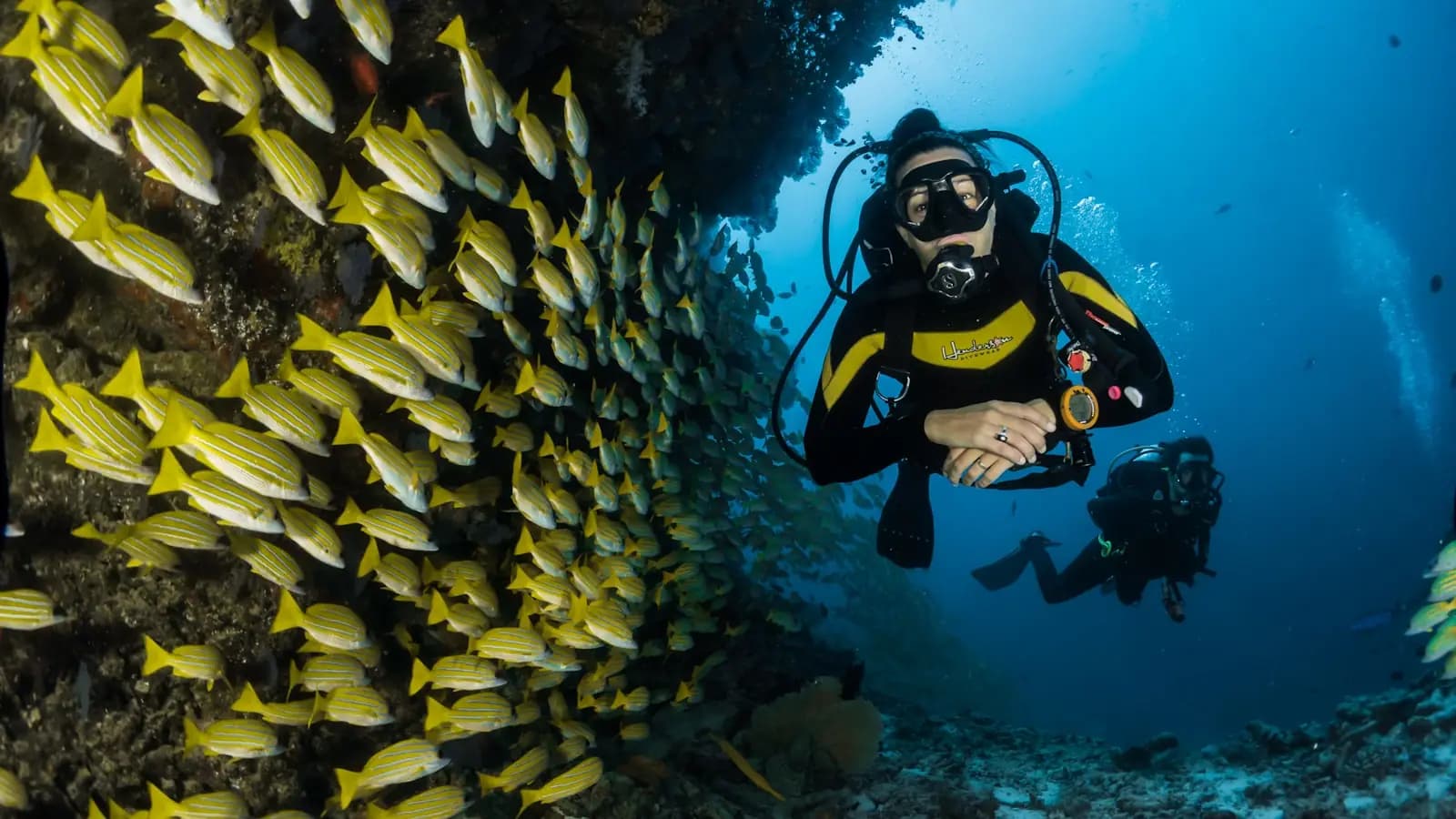
The North Shore has the best shore snorkelling on Oʻahu and the shortest season for it. Both of those facts come from the same place. The reef shelf…
Things to do
The North Shore's hiking is not the Koʻolau's. There are no green cathedral valleys with a waterfall at the back of them here, no Mānoa Falls queue…
Things to do
Haleʻiwa is the only place on this coast that behaves like a town, and everything about it is a second act. The name means house of the ʻiwa, the…

Things to do
Start with what this coast is not. The photograph you have seen of turquoise water and two green islets is Kailua, on the windward side, roughly an…
Read next
Guide
One large resort, a thin and legally complicated rental market, two campgrounds and a coast where dinner stops at seven. Staying up here is a decision, not a default.
9 min readNalani Kahale
Guide
About a hundred miles, three and a half hours of driving and no road around Kaʻena Point. Which direction you choose decides which side of the car the ocean is on.
9 min readNalani Kahale
Guide
The same sand that is a family beach in July closes to swimmers in January. Learning which coast you are standing on is the single most useful thing a visitor here can do.
10 min readPete Sorensen
Guide
Seven miles of coast with one place to park the car and walk. Haleʻiwa is a former plantation and railway town that turned into the commercial heart of surfing, and still shuts early.
8 min readMalia Fonoti