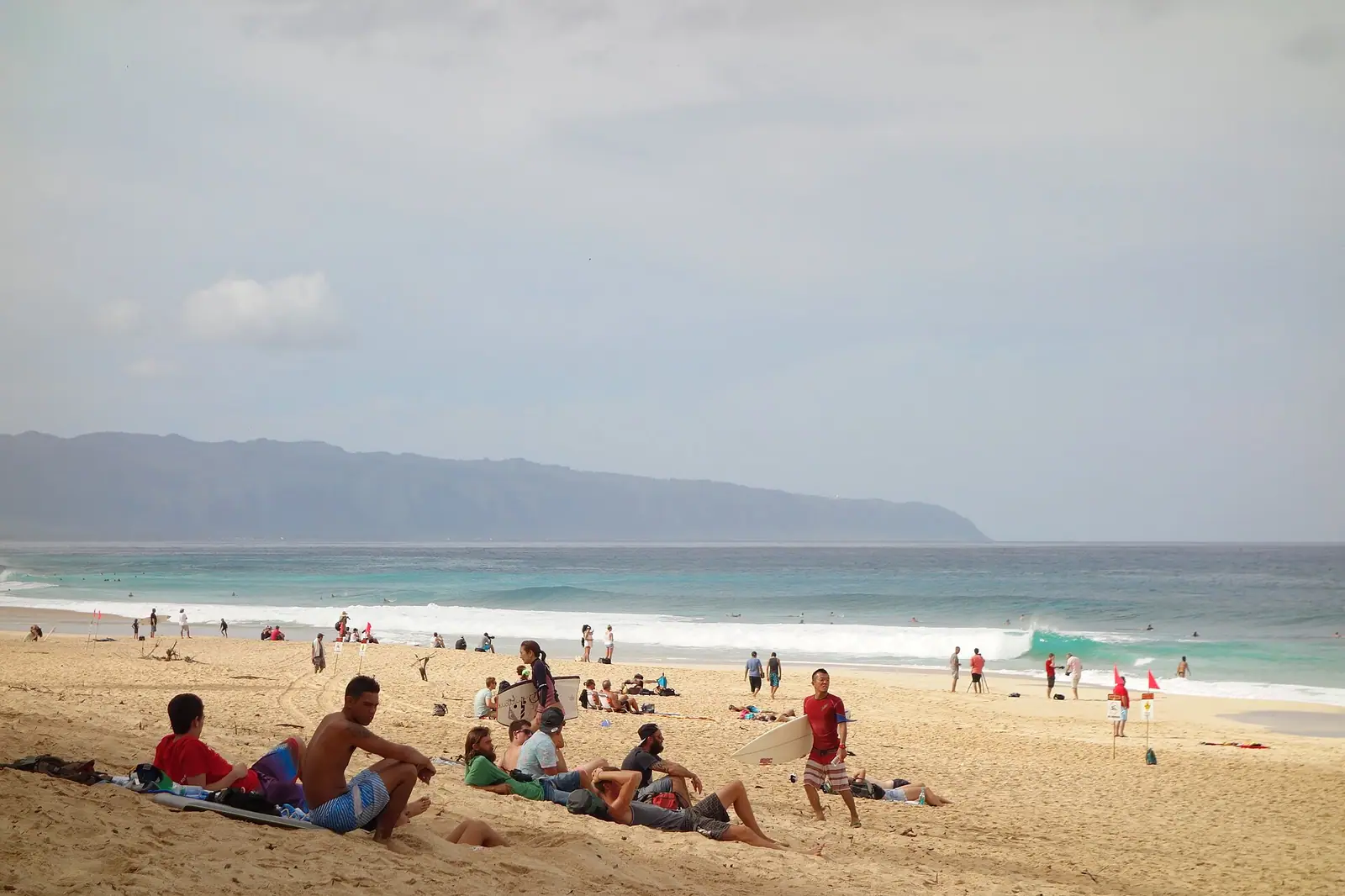
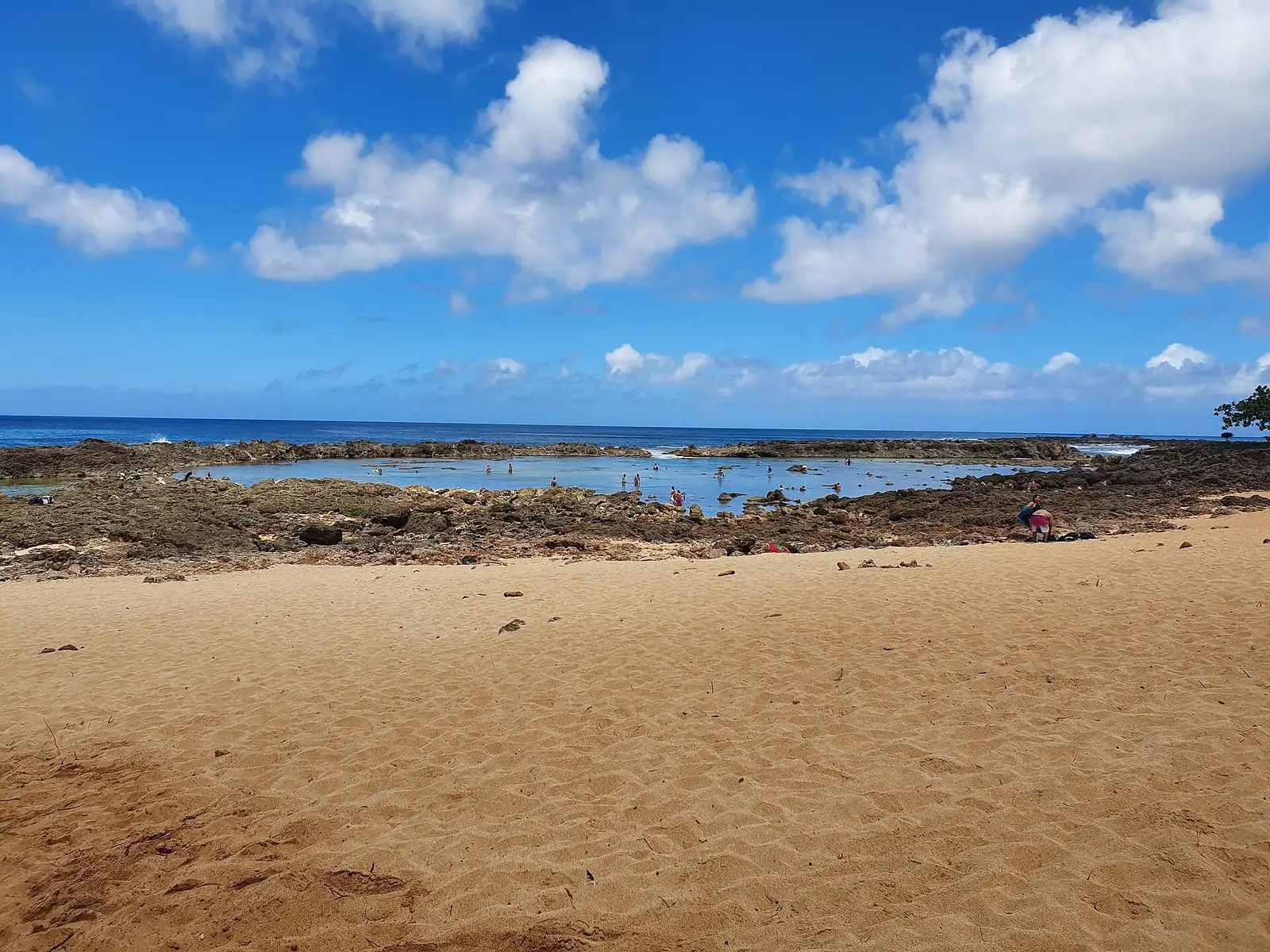
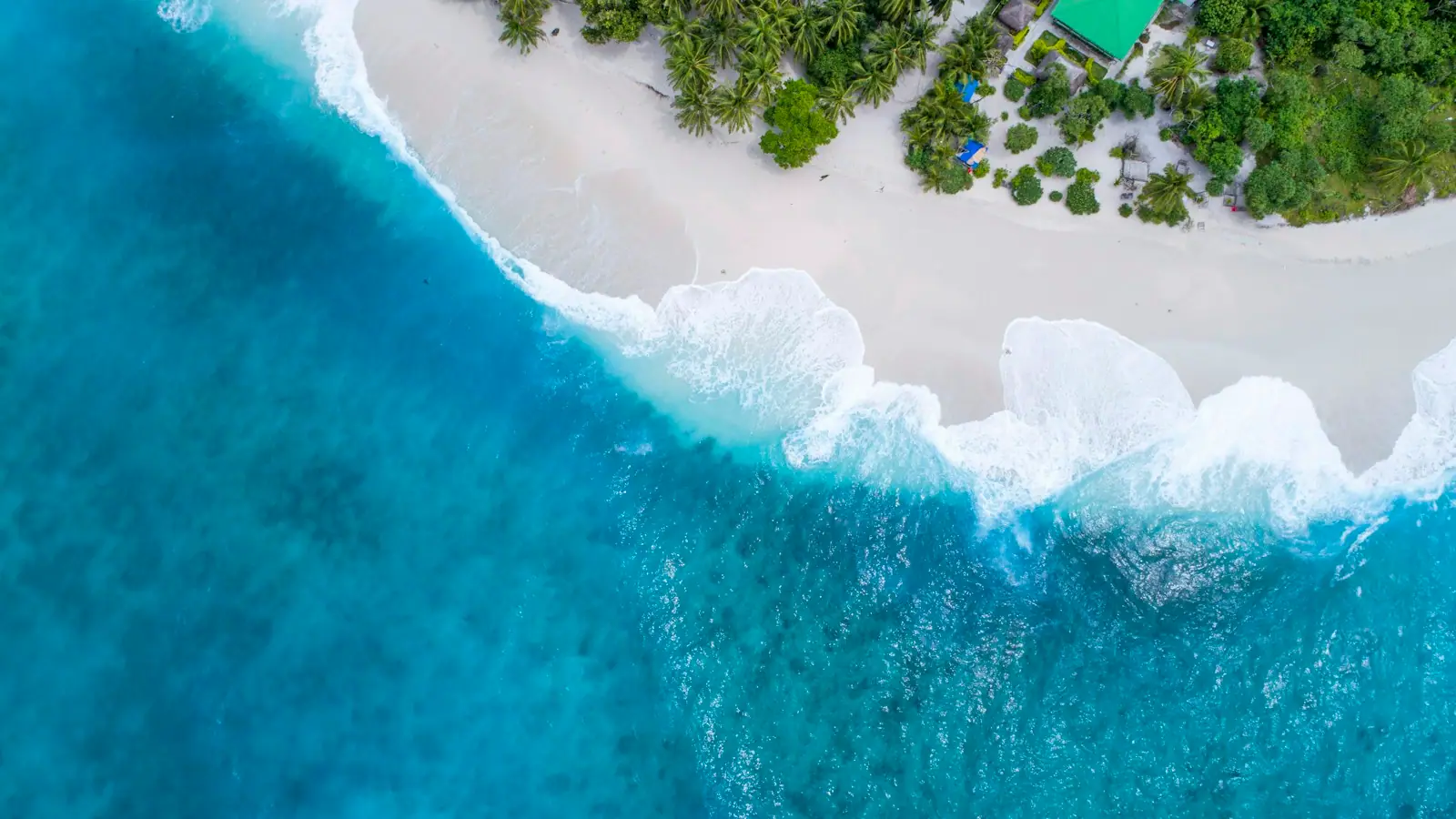
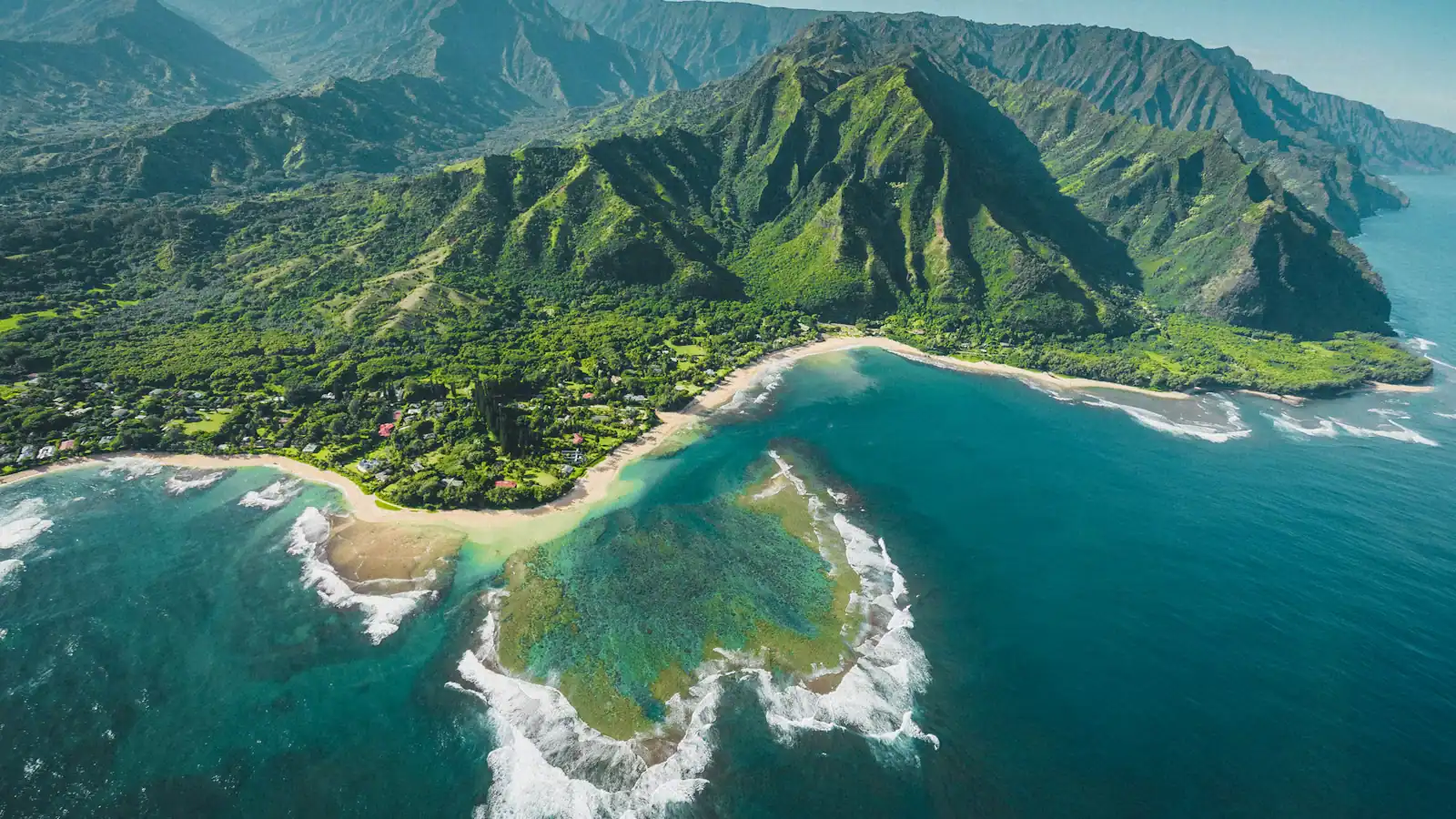
Sunset is the long one. Where Waimea is a bay and ʻEhukai is a strip in front of a famous wave, Sunset runs for something close to two miles of open, north-facing sand from the Pipeline end up to Sunset Point, and it is wide enough that you can put a hundred people on it and still find somewhere to sit. That length is also why it behaves the way it does.
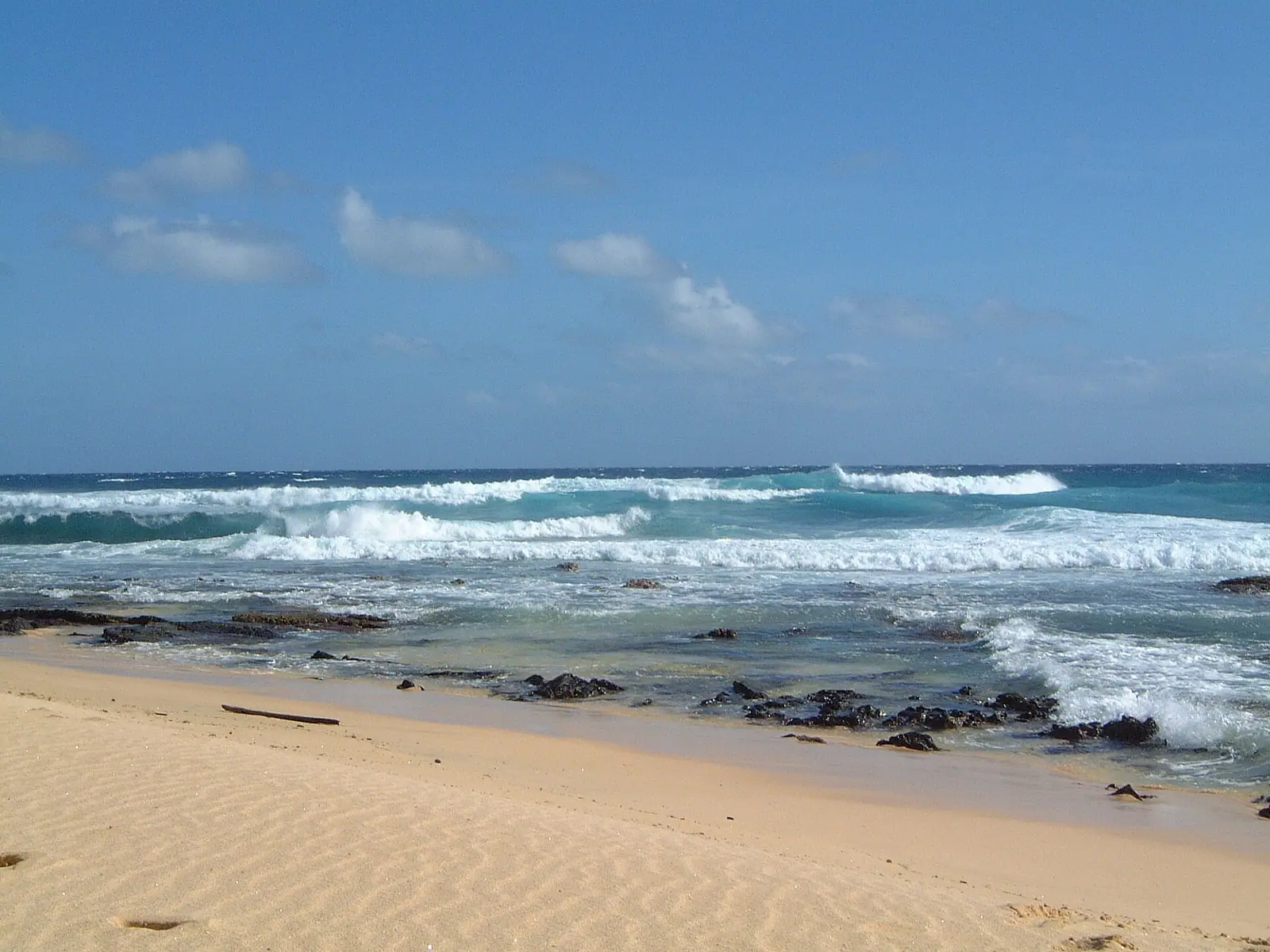
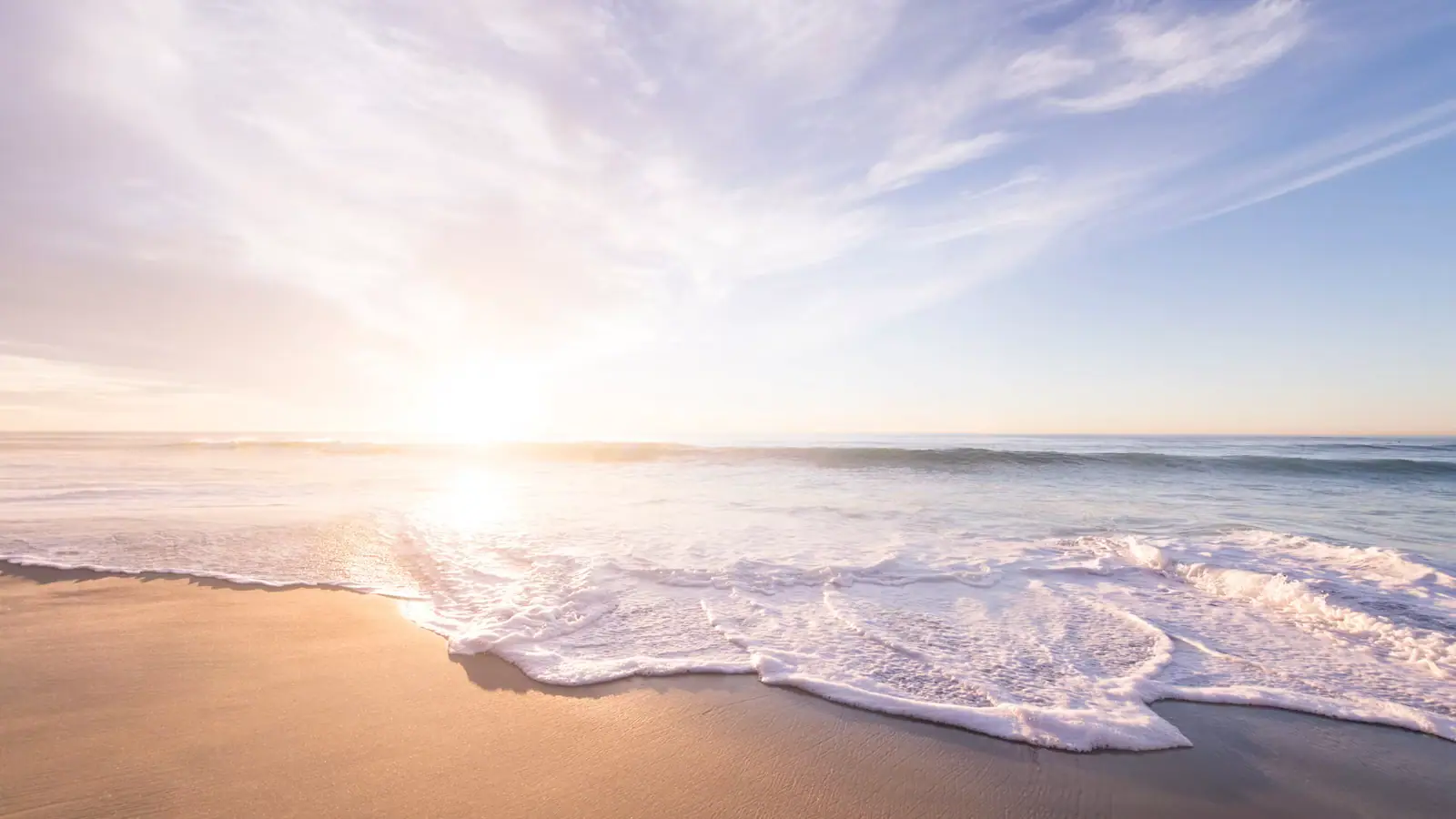
The beach moves. Every winter the swell strips sand off this shore and carries it offshore, leaving a steep scarp and sometimes exposing rock that spent the summer buried. Every summer the same ocean brings it back and rebuilds a broad flat beach with a gentle shelf. Residents measure the season by where the sand edge is. Visitors who have only seen photographs from the other half of the year routinely fail to recognise the place.
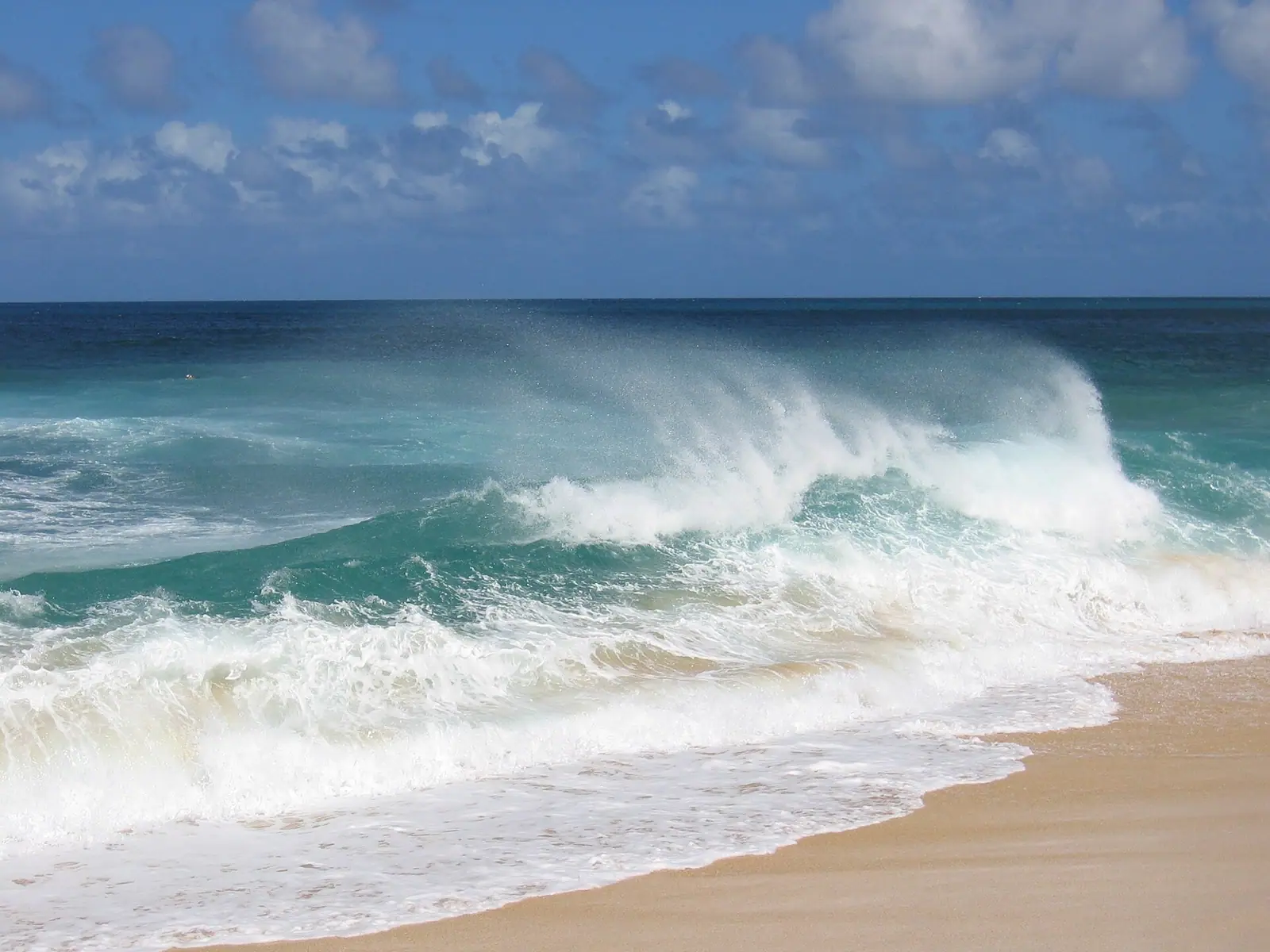
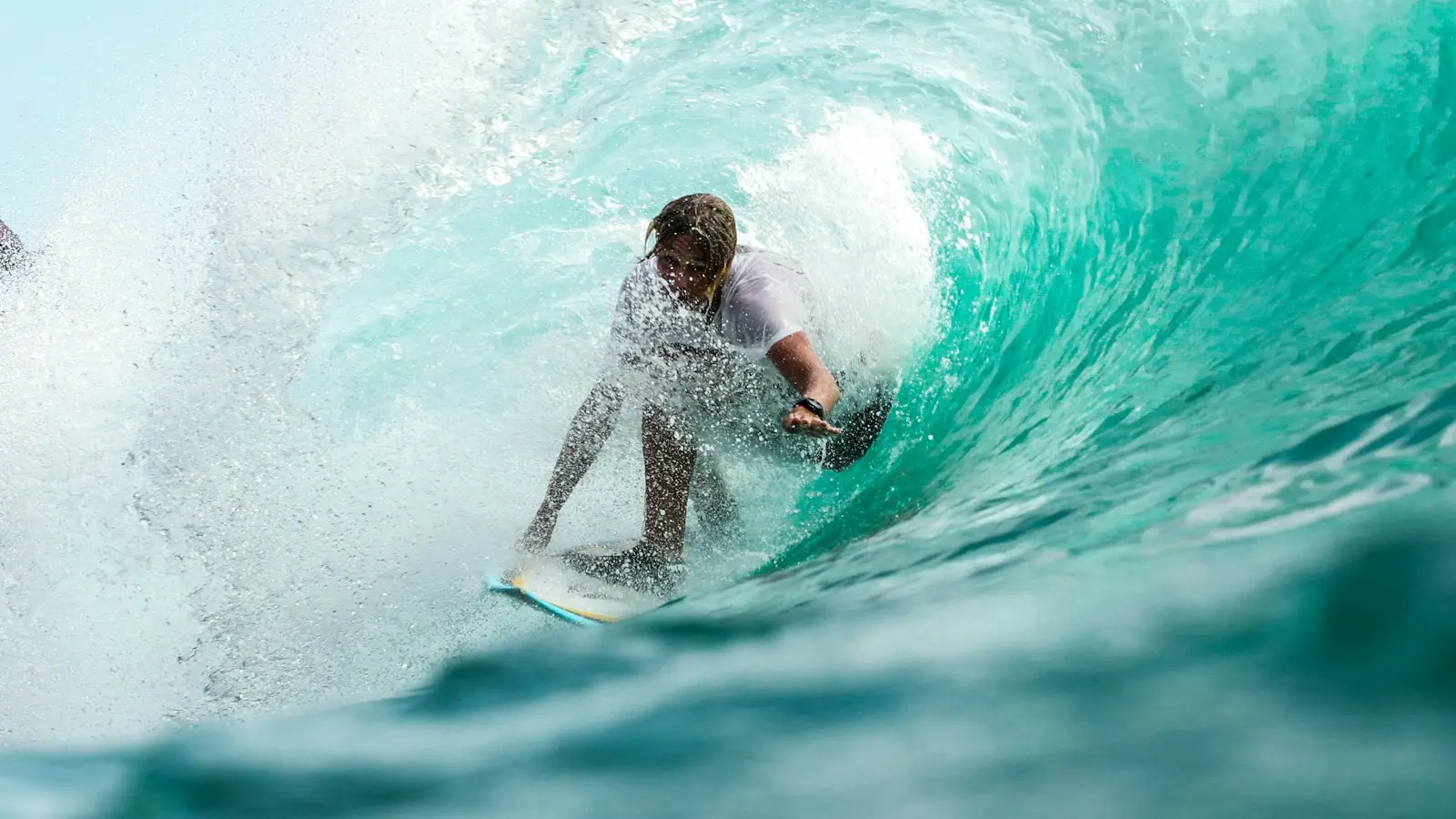
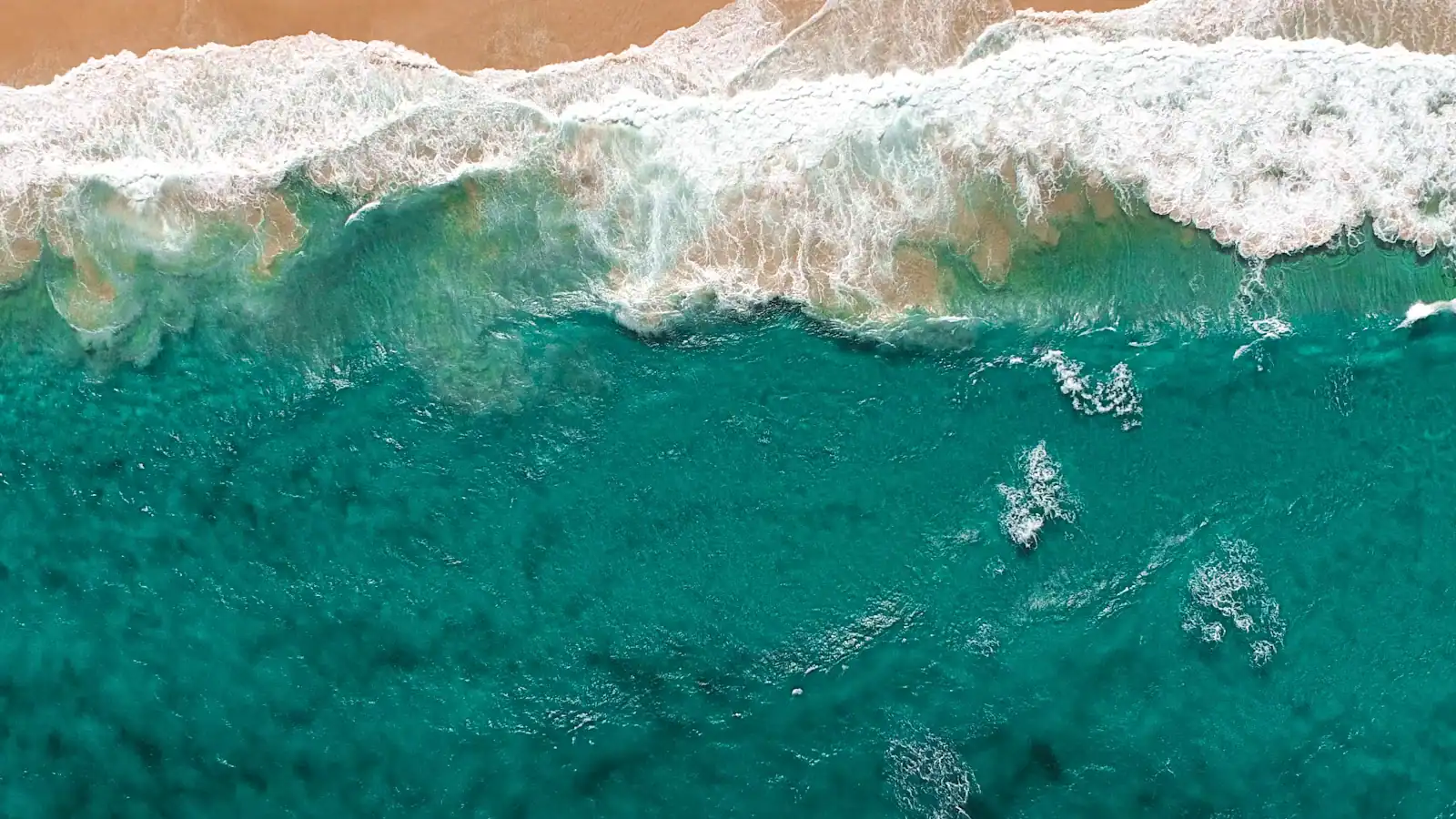
In winter Sunset is one of the world's serious big-wave venues, a shifting, unpredictable peak that breaks further out than Pipeline and rewards surfers who can read where it will come from rather than sit in one spot. It is a regular stop on the professional tour's Hawaiian leg. It also produces the current that North Shore lifeguards name without prompting: a hard rip that runs out through the channel and has carried a great many people out to sea. The water here is closed often, and the closures are not theatre. People drown on this coast every winter.
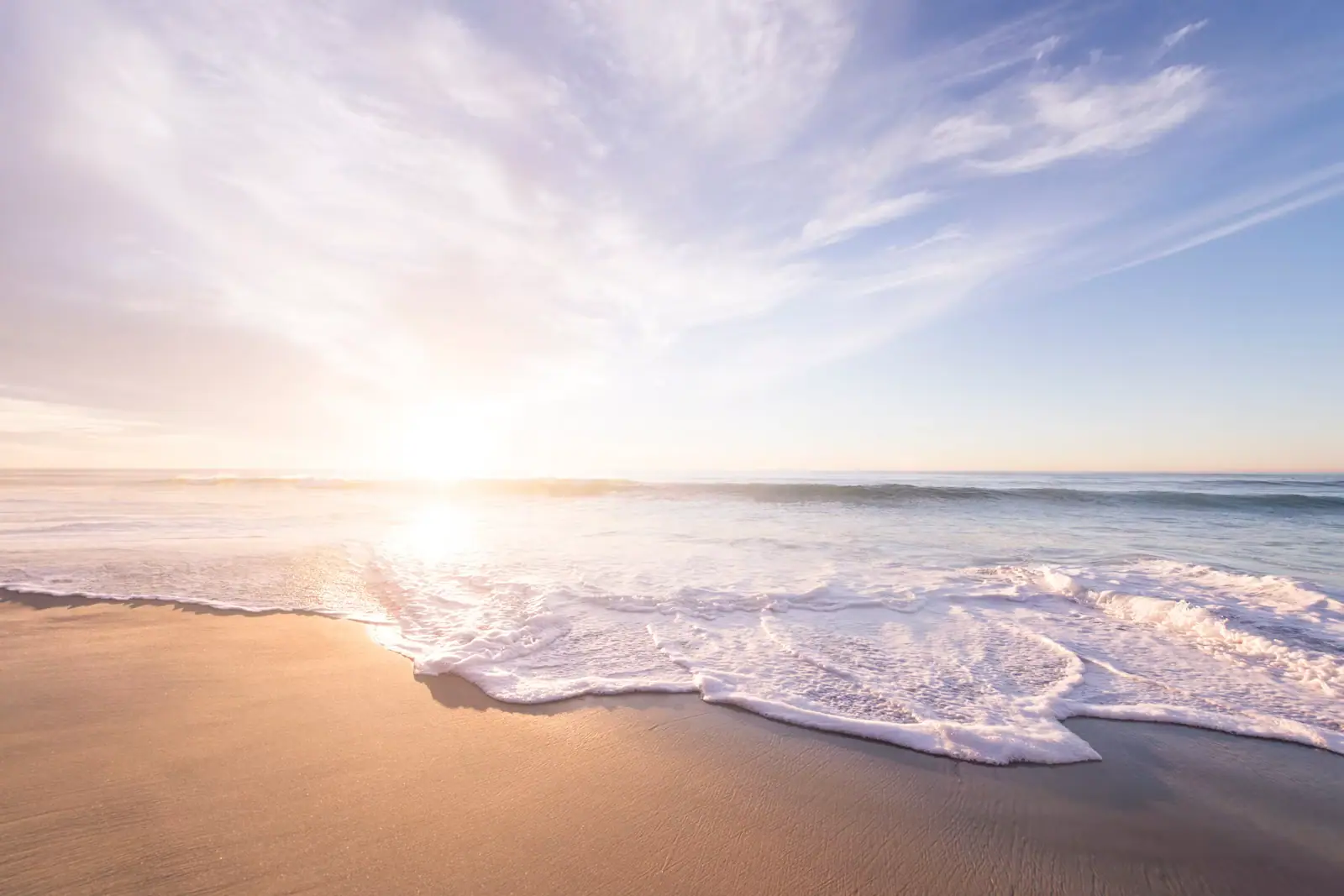
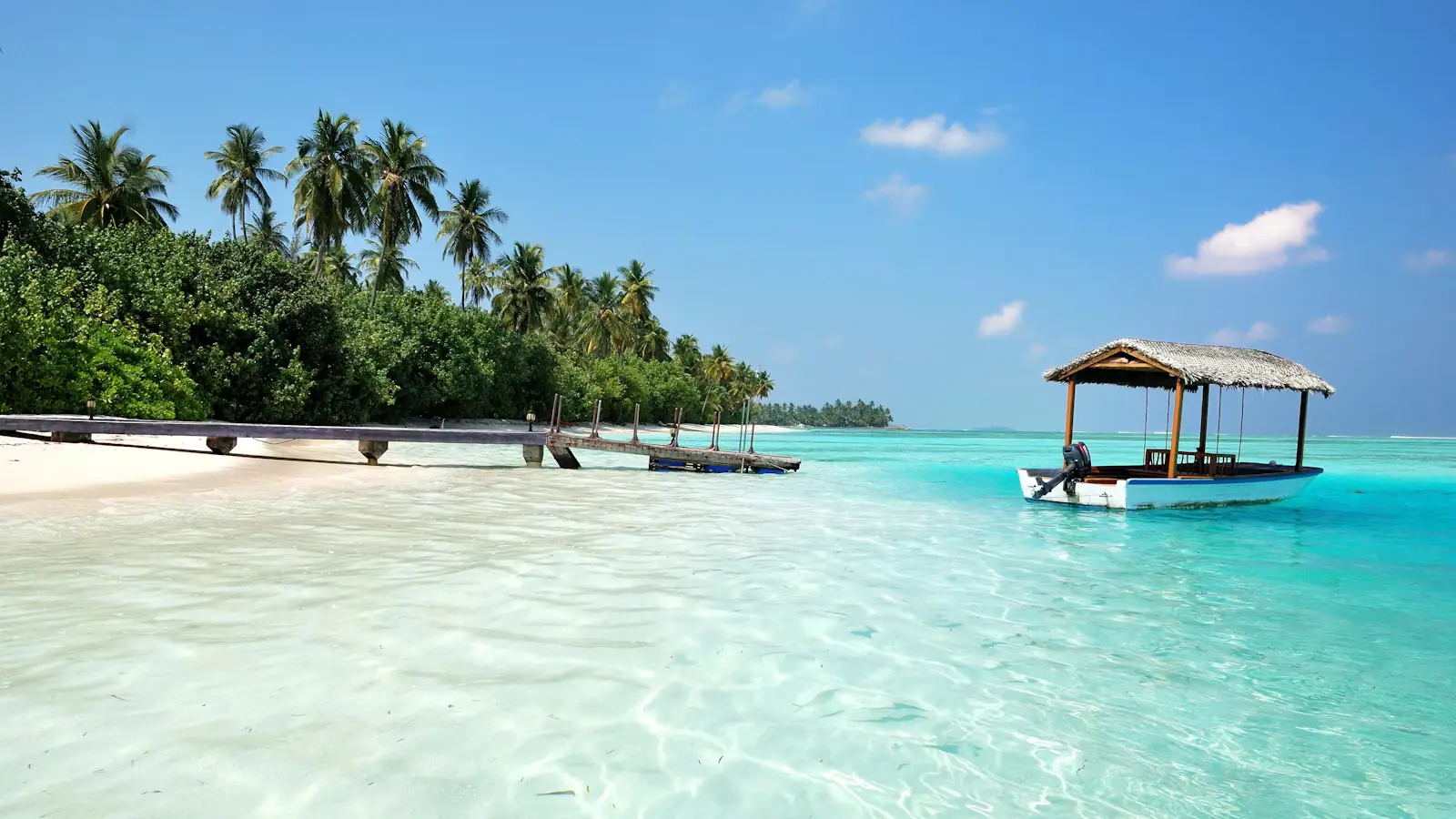
In summer, from roughly May into September, the entire thing flattens out and becomes a genuinely pleasant swimming beach — wide, clean and far less crowded than Waimea Bay a few minutes south.
Sunset is also the practical centre of the upper North Shore. There is a school across the road, a clutch of food trucks on the highway, the Sunset Beach Elementary trailhead for the pillbox hike behind it, and a lifeguard tower that has been there long enough to be a landmark in its own right.