Skip to content
Search
Menu

We earn a commission if you book through this link. You pay the same price.

A wide, near-empty beach backed by ironwood trees on a calm summer afternoon
Unsplash

Beach

ʻEhukai Beach Park

Last updated

The small county park you stand in to watch Pipeline — and, for four months of the year, an ordinary swimming beach almost nobody visits.

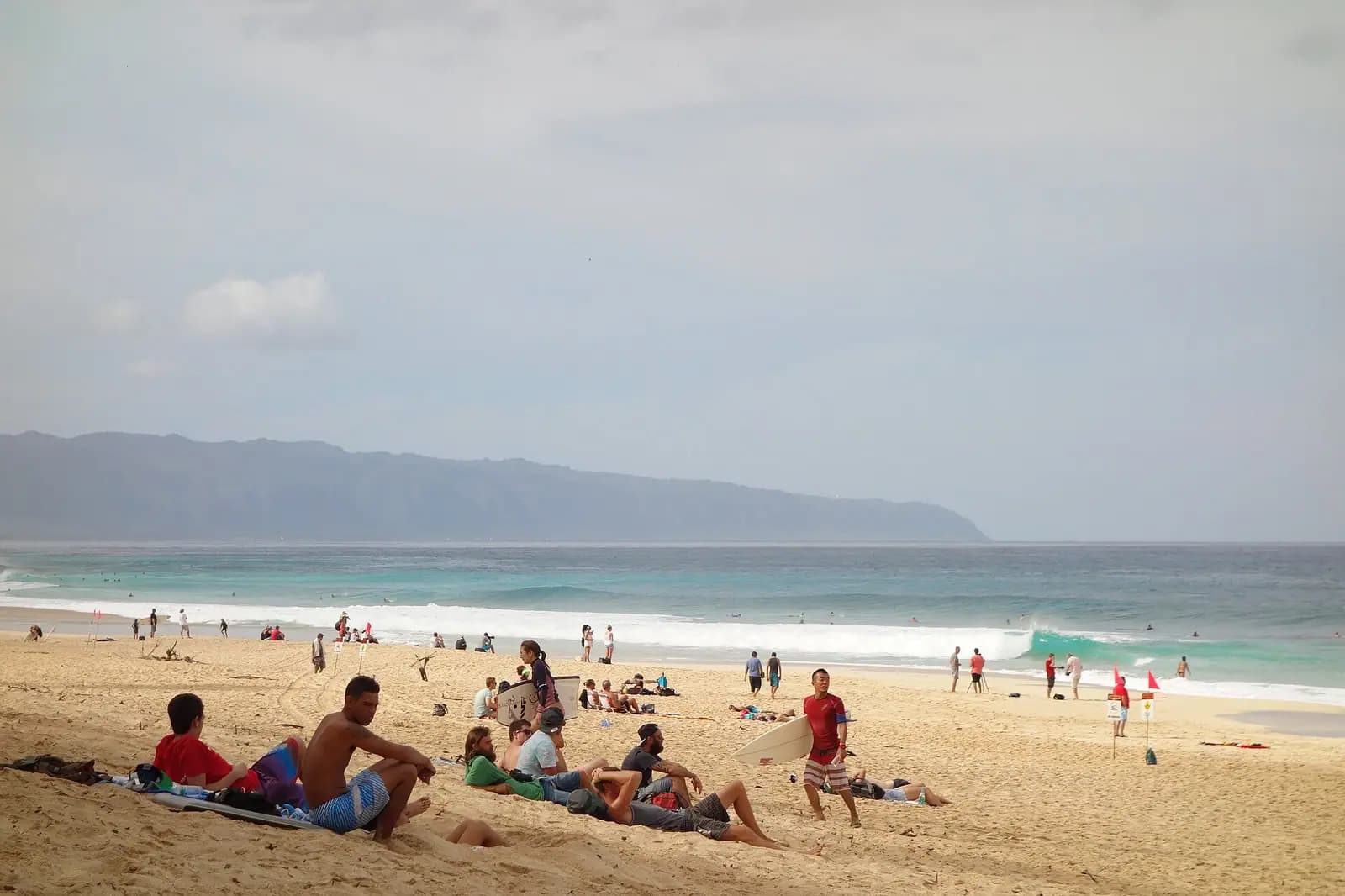
ʻEhukai Beach Park is a modest strip of county land with a small lot, a lifeguard tower, restrooms and a stand of ironwoods, and it would be entirely unremarkable if Banzai Pipeline did not break a short paddle off its sand. Almost every photograph you have seen of Pipeline was taken from this beach. Almost every visitor who comes here in winter comes to look at water they must not enter.

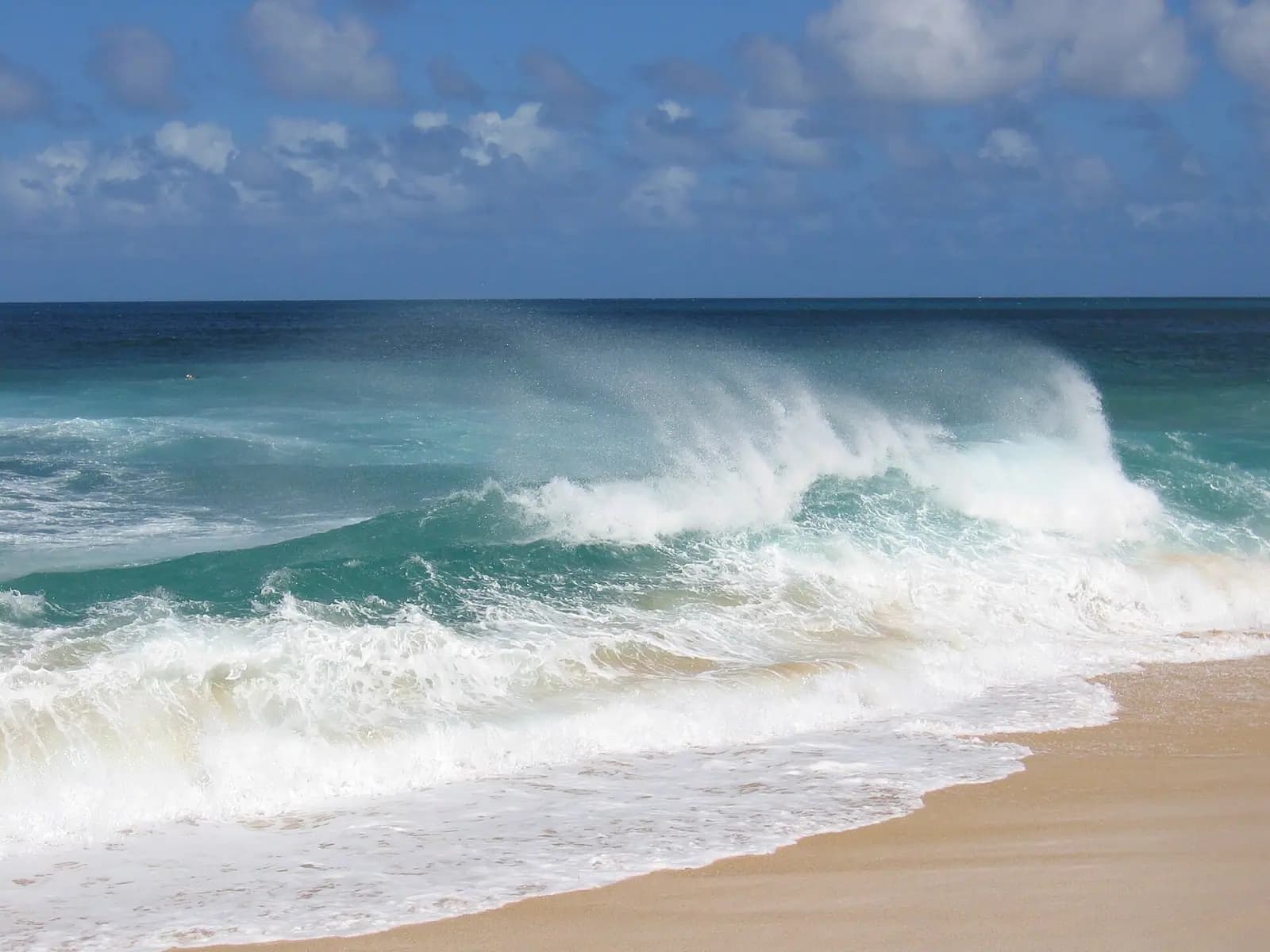
That is the honest framing for the winter version of this park. From roughly November into March the shorebreak in front of ʻEhukai is one of the more injurious stretches of sand in Hawaiʻi. It dumps hard and shallow, the current runs strongly along the beach when swell is up, and people are hurt here every season without ever getting out of their depth. Lifeguards close the water frequently and the closures are not conservative. Stand back from the waterline, keep children at the ironwoods rather than the sand's edge, and treat a big day as spectator sport.

The summer version is a different park entirely and hardly anybody writes about it. From roughly May to September the swell shuts off, the reef sits under flat water, and ʻEhukai becomes a quiet, wide, clean-sanded beach with shade, a lifeguard and room to spread out. It is the emptiest good beach on this stretch in July, precisely because its reputation belongs to the other half of the year.

The practical problem in either season is parking. The lot is tiny relative to what happens here, it sits on the ocean side of Kamehameha Highway opposite Sunset Beach Elementary School, and on any winter day with swell it is full before the sun is properly up. Roadside parking on the highway is signed, enforced and towed through the season.

Ke Nui Road, the narrow lane behind the beach, is residential. It is not overflow parking and it is not a through route.

Getting there and parking

The lot is on the ocean side of Kamehameha Highway directly opposite Sunset Beach Elementary School, between Pūpūkea and Sunset Beach. There is no large sign; the school is the landmark everyone navigates by.

From Waikīkī, allow an hour via H-1, H-2 and Kamehameha Highway in light traffic, and considerably more on a winter weekend — Haleʻiwa town is the bottleneck, not the freeway. From Haleʻiwa it is about fifteen minutes up the coast past Waimea Bay and Shark's Cove.

Once parked, a short sand path through the ironwoods brings you out on the beach with the Pipeline peak to your left.

TheBus route 60 stops on the highway nearby. Ke Nui Road behind the beach is residential and is not a parking overflow.

The winter park: what it is safe to do here

From about November to March, ʻEhukai is a viewing platform, not a beach you use.

What is safe: standing on the dry sand well back from the water, watching, taking photographs, sitting in the shade of the ironwoods.

What is not: wading, paddling, letting a child play at the waterline, standing with your back to the ocean, or swimming under any circumstances when swell is running.

The specific hazard is the shorebreak. Waves here do not roll up a gentle shelf; they pitch and land on a steep sand face very close in. That mechanism drives people head-first into the sand, which is why the injuries reported on this coast skew towards necks, shoulders and collarbones rather than drownings. Add a lateral current strong enough to move an adult two hundred metres in minutes and you have a beach that punishes ordinary carelessness.

The lifeguards here are among the busiest in the state. When a tower posts a closure, it is closed. When a guard walks down and asks you to move back, move back. There is no negotiation at ʻEhukai in January, and the crews who ask are the ones who will have to come and get you.

The summer beach nobody mentions

Between roughly May and September the North Pacific stops sending swell and this coast rearranges itself. ʻEhukai goes flat. The sand comes back and widens. The water clears, and the reef that is lethal in January sits three or four metres down under glassy surface.

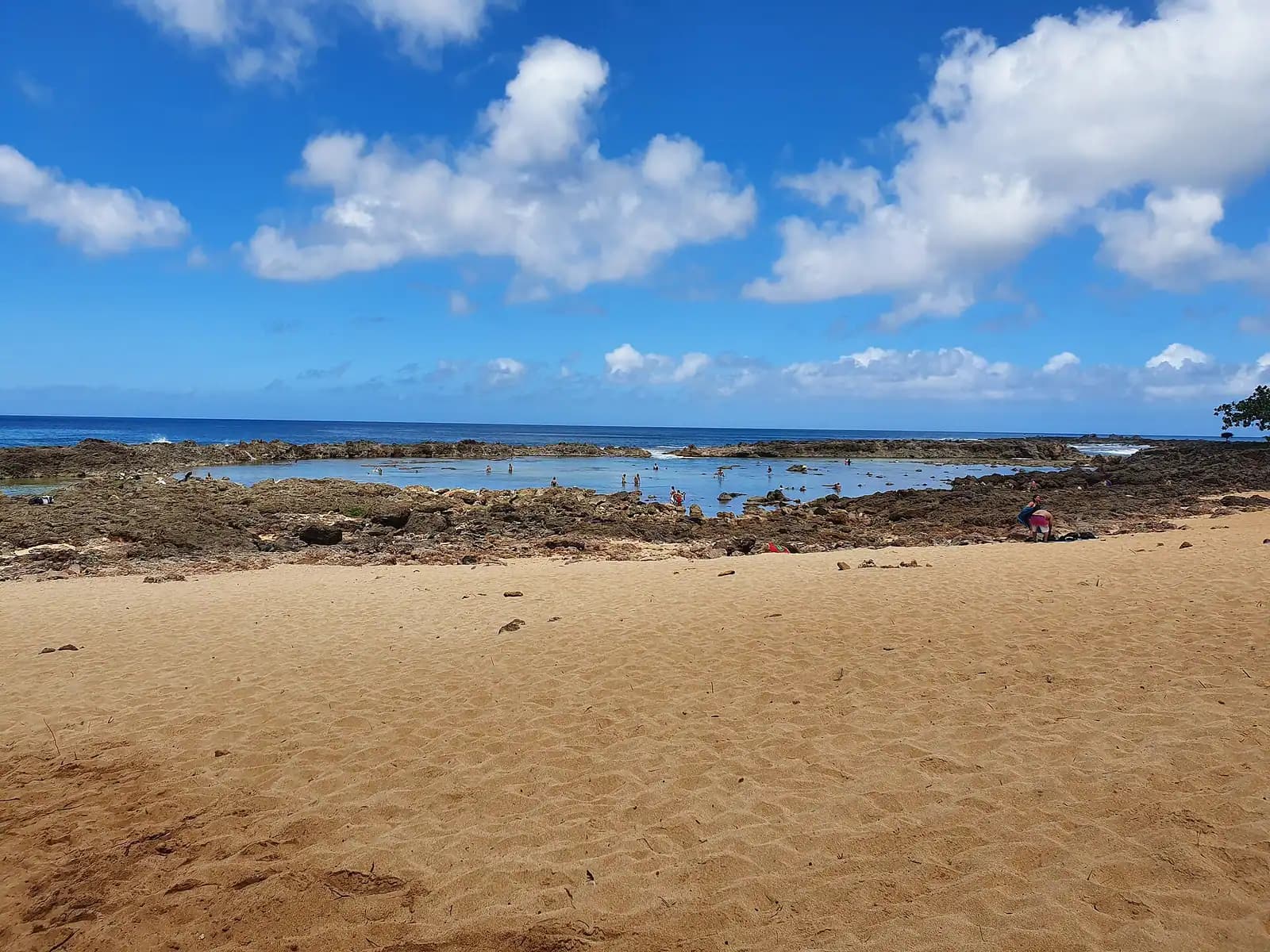
What you get is a genuinely good, genuinely quiet summer beach: clean sand, ironwood shade close to the water, a staffed tower, restrooms and showers, and far fewer people than Waimea Bay a few minutes down the road. Snorkelling over the reef is possible in calm conditions, though Shark's Cove and Three Tables a little south are better organised for it and have easier entries.

Two cautions survive the season change. The lava reef is still there and is still sharp — reef-safe footwear matters more than it looks like it should. And a summer south swell occasionally wraps around enough to put unexpected shorebreak on this beach, so read the water rather than the calendar.

Locals treat summer as the time to actually use the North Shore beaches. There is no reason a visitor should not do the same.

Parking, and the rules that get cars towed

The lot is on the makai side of Kamehameha Highway, opposite Sunset Beach Elementary School, and it is small — think a couple of dozen spaces rather than a beach car park.

  • Winter with swell: full before sunrise. There is no clever arrival time; there is dawn.
  • Contest days in December: do not attempt it. Park in Haleʻiwa or at Sunset Beach and use the bus or your legs.
  • Summer weekday: usually fine at any hour.
  • Kamehameha Highway shoulder: signed and enforced through the winter season, and cars are towed rather than warned. Read the signs on the stretch you are actually parked on; they vary within a few hundred metres.
  • Ke Nui Road behind the beach is a residential lane. Blocking it is both antisocial and a reliable way to get towed.

TheBus route 60 runs the coast road and stops within a short walk. It is slow — well over two hours from Waikīkī — but on a big-swell weekend it moves while the highway does not.

Leave nothing visible in the car. Vehicle break-ins at North Shore beach lots are frequent enough that residents park with the doors unlocked and the boot empty.

What is actually here

ʻEhukai is a small county park and the facilities match.

  • Lifeguard tower, staffed daily. The most useful thing on the beach.
  • Restrooms and outdoor showers near the lot.
  • Ironwood shade along the back of the sand, which is the only real shade for some distance and is the reason people camp here all day in December.
  • No food, no rentals, no shop. The closest reliable eating is the cluster of trucks and small businesses at Pūpūkea by Shark's Cove, five minutes south, or the Sunset Beach trucks a few minutes north. Ted's Bakery, up the road towards Sunset, is the local default for a pie and a plate lunch.
  • Bring water. There is no reason to assume a fountain will be working.

For families, the pragmatic plan on a winter day is to look at Pipeline for half an hour, then drive fifteen minutes to Haleʻiwa Beach Park, which sits behind a reef and stays swimmable when the rest of the coast is closed.

Tours that visit ʻEhukai

Operators run these trips past ʻEhukai, or stop there as part of a longer route. We list what the booking data supports — not everything that mentions the name.

Some links below go to Viator, our booking partner. We earn a commission on bookings made through them — at no extra cost to you, and with no influence on what we recommend.

  • Oahu: Full or Half Day Grand Circle Island Tour
    Free cancellationInstant confirmation

    Plantation Tours

    Oahu: Full or Half Day Grand Circle Island Tour (opens in a new tab)

    19.5K reviews

    Choose from two exciting ways to experience Oahu's top attractions, scenic beauty, and local culture. Option 1: Dole Plantation & Haleiwa…

    6–7 hours

    Prices checked

    from $100

Near ʻEhukai

Straight-line distances, so allow more on the road — the island is long and has one main parkway.

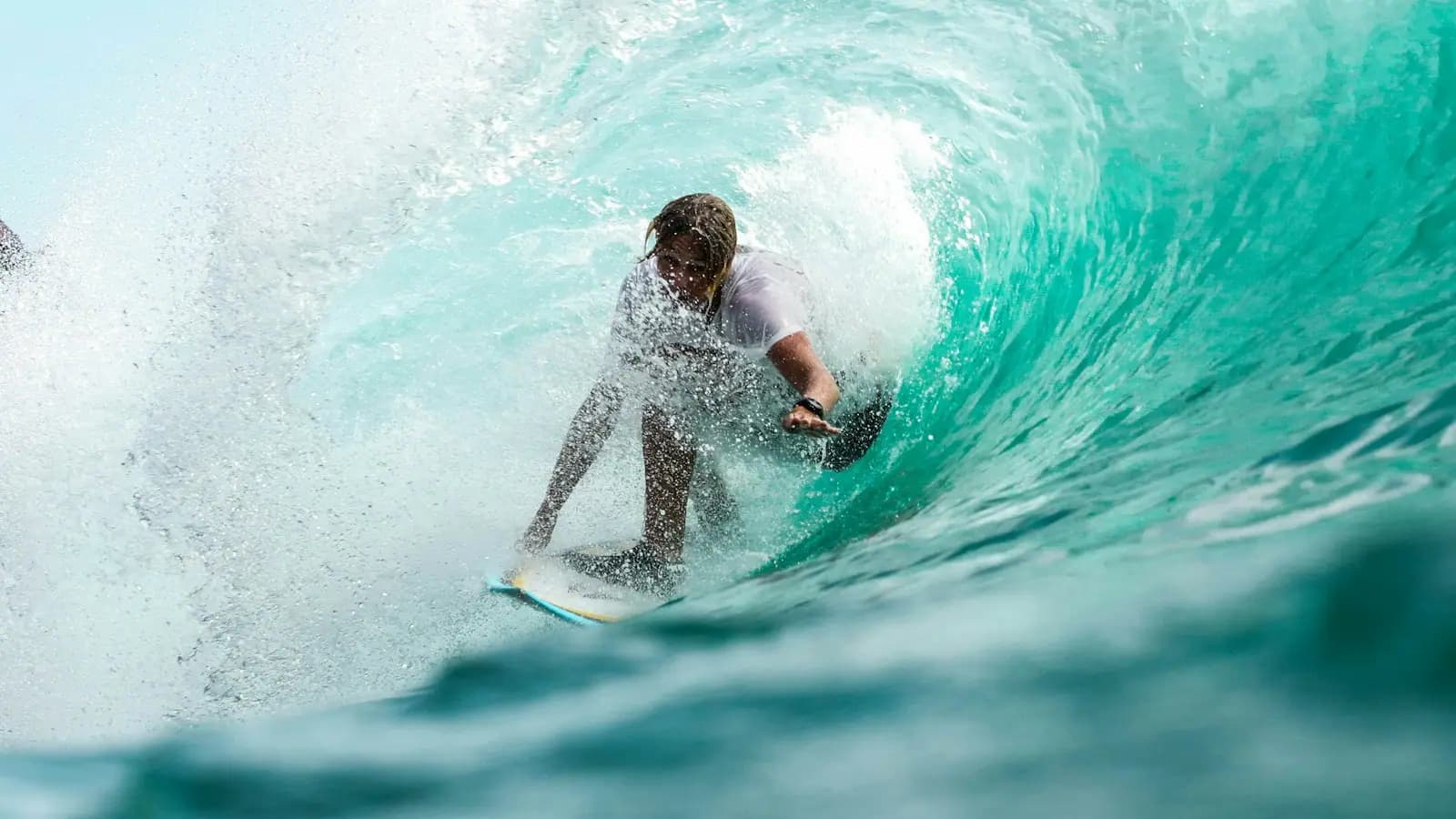
  • A surfer inside the barrel of a hollow wave breaking over shallow reef
    Free

    Water feature

    Banzai Pipeline

    A hollow left breaking over shallow lava a short paddle offshore: the most dangerous wave in surfing, and a free grandstand in December.

    1–3 hoursFree to watch from ʻEhukai Beach Park. Parking is free but there is very little of it.650 ft away

  • Low sun dropping towards the ocean at the end of a long open beach
    Free

    Beach

    Sunset Beach

    Two miles of sand the winter ocean removes and the summer ocean puts back, with the coast's most notorious rip running through it.

    1–4 hoursFree, with a free lot that is larger and more reliable than anything else on this stretch.0.9 mi away

  • Reef fish moving over shallow lava structure in very clear water close to shore
    Free

    Beach

    Shark's Cove

    The best shore snorkelling on Oʻahu for four months of the year, and one of the most dangerous places on the island for the other four.

    1.5–4 hoursFree, with free parking in the beach park lot and along the highway.1.3 mi away

  • Shoaling reef fish grazing over shallow lava rock in protected nearshore water
    Free

    Nature preserve

    Pūpūkea Marine Life Conservation District

    A hundred-odd acres of protected reef over Shark's Cove, Three Tables and Waimea Bay, and why the fish here are not frightened of you.

    1–4 hoursFree. There is no permit or fee for recreational snorkelling, swimming or diving.1.5 mi away

ʻEhukai: common questions

Is ʻEhukai Beach Park the same as Pipeline?

They are the beach and the wave. ʻEhukai Beach Park is the county park with the lot, the lifeguard tower and the restrooms; Banzai Pipeline is the reef break a short paddle off its sand. You watch Pipeline from ʻEhukai, and the two names are used almost interchangeably by visitors. If you are looking for directions or parking, search for ʻEhukai Beach Park — Pipeline has no address of its own.

Can you swim at ʻEhukai Beach Park?

In summer, usually yes. From roughly May to September the swell shuts off, the water clears and this is a quiet, wide, perfectly good swimming beach with a staffed tower. From roughly November to March, no. The shorebreak alone injures people every winter, the lateral current is strong, and lifeguards close the water frequently. The rule of thumb on this coast is that the season decides, not the beach.

How early do you need to arrive to park at ʻEhukai?

On a winter day with swell running, first light. The lot holds a couple of dozen cars and it is full before most people have had breakfast. Roadside parking along Kamehameha Highway is signed and towed through the season, and Ke Nui Road behind the beach is residential. On contest days in December, park in Haleʻiwa or at Sunset Beach and walk, or take TheBus route 60 up the coast.

Are there facilities at ʻEhukai Beach Park?

The basics and no more: restrooms, outdoor showers, a lifeguard tower and shade under the ironwoods behind the sand. There is no food, no rental and no shop on site. The nearest reliable eating is the small cluster of trucks and businesses at Pūpūkea near Shark's Cove, a few minutes south, or Ted's Bakery towards Sunset Beach, which is the local default for a plate lunch and a slice of pie.