Haleʻiwa is the only place on this coast that behaves like a town, and everything about it is a second act. The name means house of the ʻiwa, the great frigatebird. The settlement as visitors recognise it dates from 1899, when Benjamin Dillingham put a hotel at the end of his Oʻahu Railway line and invited Honolulu society to take the train up for the weekend. The railway carried sugar the rest of the week. Both the hotel and the railway are gone — the line closed to passengers in the 1940s, the Waialua mill milled its last cane in 1996 — and what survived is a strip of low wooden storefronts on a two-lane highway, a small boat harbour, and an arched concrete bridge over the Anahulu Stream that has been the town's front door since 1921.
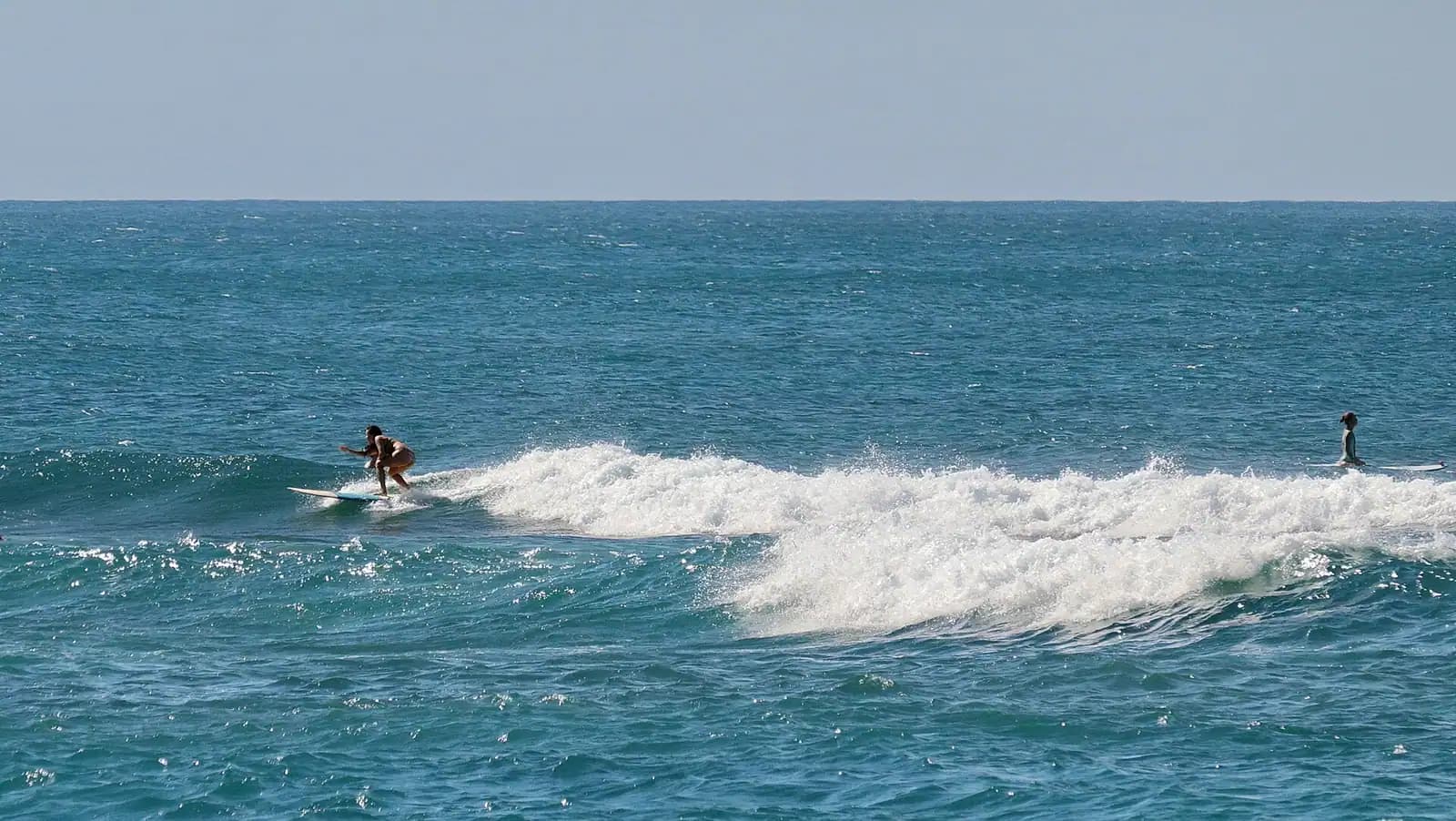
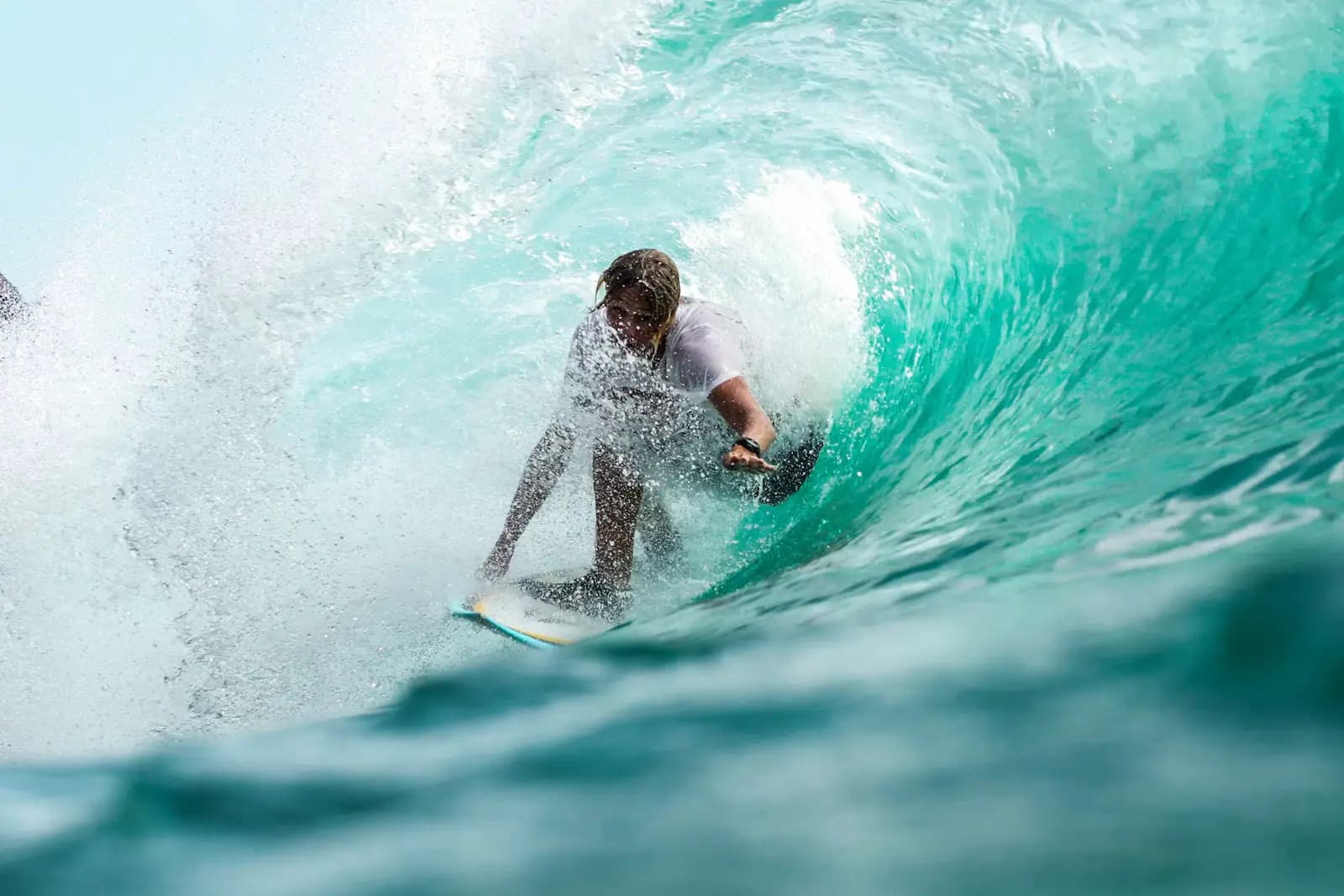
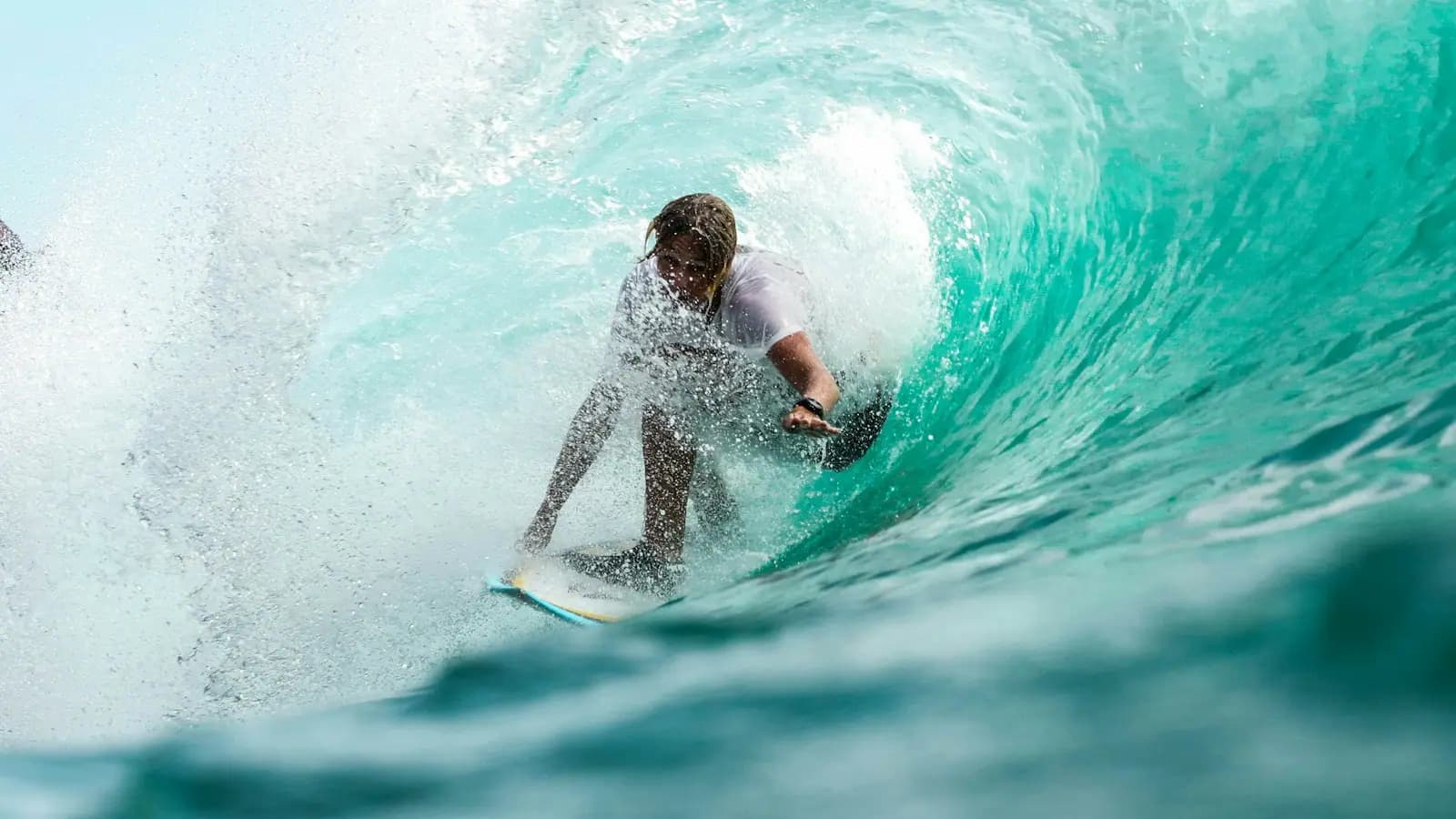
What Haleʻiwa became instead was the service town for the surf. Everything a coast with Pipeline, Waimea and Sunset on it needs sits within about half a mile: board shops and ding repair, a harbour with dive and fishing boats, a supermarket, a post office, a hospital clinic, and the only concentration of restaurants between Waialua and Kahuku. When the contest season runs in November and December, the town fills with people who work in the water. In summer, when the waves flatten, it fills with everyone else.
The town is small enough to read in an hour. Kamehameha Highway runs through it; the shops face the road; two purpose-built clusters — the Haleʻiwa Store Lots and the North Shore Marketplace — hold most of the eating and most of the parking. Matsumoto Shave Ice has been on this street since 1951 and is the single most recognised business on the coast. Aoki's is directly across the road, around a corner, family-run since 1981, and quietly preferred by a lot of people who live here. Surf N Sea, the blue building by the bridge, has been selling boards for longer than most of its customers have been alive.
Then there is the constraint that shapes a visit more than anything on the map. Kamehameha Highway is two lanes, it crosses the Anahulu on one bridge, and every vehicle heading up this coast from the H-2 passes through here. A bypass — Joseph P. Leong Highway — opened in 2012 and takes through-traffic around the town, which is the only reason the main street is still walkable. On a summer Saturday, or on any day when a big swell has drawn a crowd, the approach from the south still backs up and the car parks fill by mid-morning. Arrive before ten, or arrive after three, and Haleʻiwa is a pleasure. Arrive at noon on a weekend in July and you will spend twenty minutes looking for a space.