Skip to content
Search
Menu

We earn a commission if you book through this link. You pay the same price.

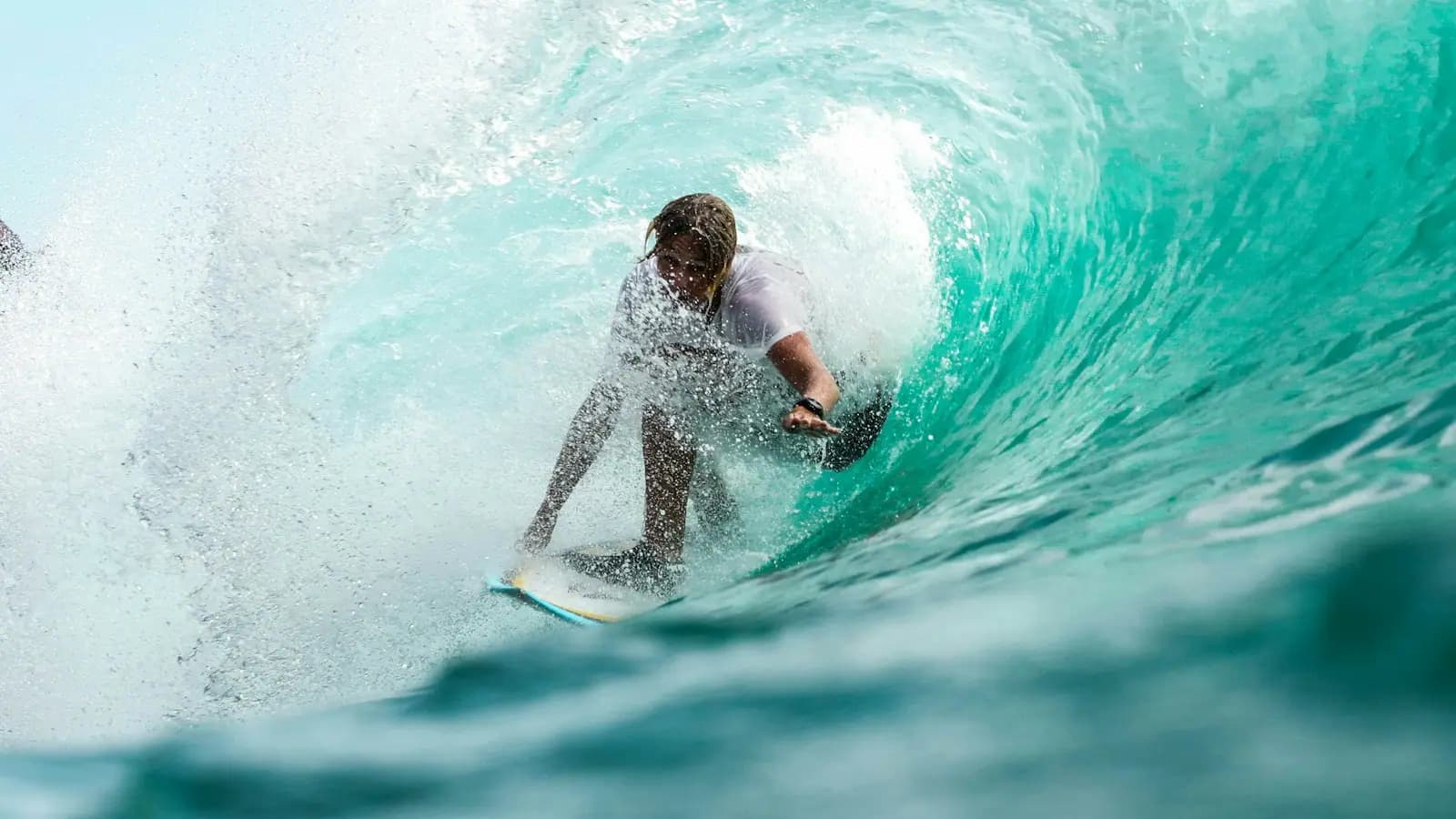
Heavy winter surf breaking across the mouth of a bay between two lava headlands
Jeremy Bishop tidesinourveins

Beach

Waimea Bay

Last updated

Flat enough to swim across in July, closed by thirty-foot faces in January. The North Shore's seasonal flip at its most extreme.

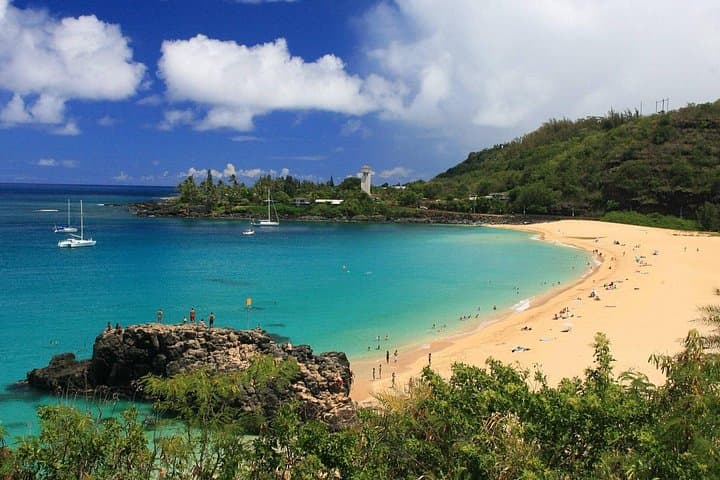
Waimea Bay is two beaches wearing one name, and which one you get depends entirely on the month. From roughly May into September the bay lies flat, the water clears, the sand shelves gently, and families spend whole days in it while a queue forms at the jumping rock on the north side. From roughly November into March the same half-mile of sand takes some of the largest rideable surf on earth — faces of twenty to thirty feet and more — and Honolulu Ocean Safety closes the water. People drown on this coast every winter. A good number of them arrived having seen a photograph taken in July.

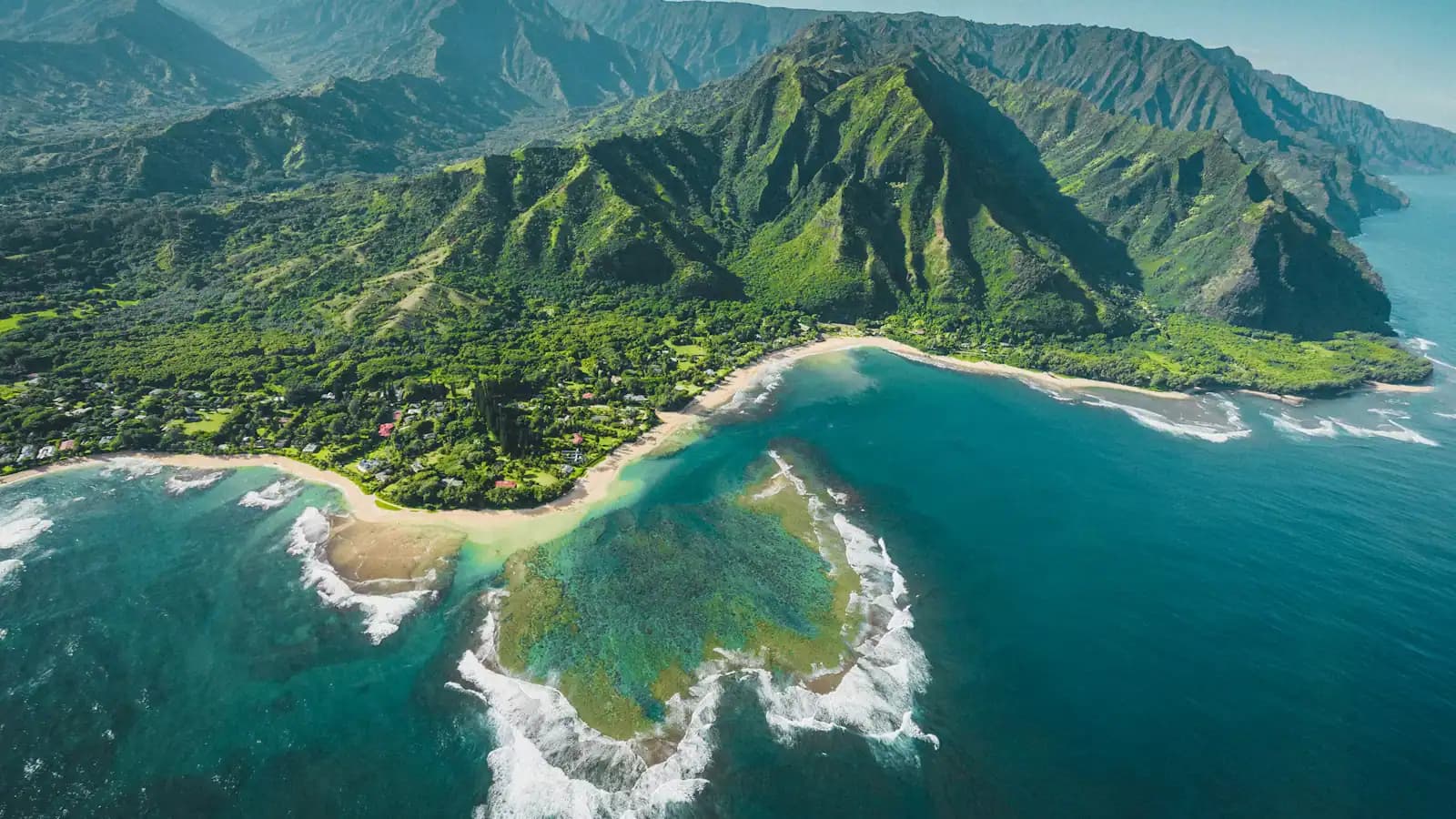
The bay sits at the mouth of the Waimea River between two lava headlands, and its shape is why it works as a big-wave arena. Deep water runs close in, so a swell that would crumble across a shallow shelf elsewhere stands up and breaks in one enormous peak off the point. That is the wave the Eddie Aikau Big Wave Invitational waits for. The contest holds a window through the winter and runs only when the surf is genuinely big enough, which is why it has been held a handful of times in four decades rather than every year. Eddie Aikau was the bay's first lifeguard.

Even outside the giant days, the shorebreak here deserves respect. It dumps onto a steep sand face rather than rolling in, and neck and shoulder injuries are routine rather than freak. A day that looks moderate from the parking lot can still be producing a heavy close-out where you would stand.

Parking is the other constraint. The lot off Kamehameha Highway is small for the traffic it takes, and on a good winter day it fills before nine while the highway shoulder fills behind it. On the biggest swells police manage the shoulder and traffic through the bay slows to walking pace in both directions.

Waimea Valley — the botanical garden and cultural site with the waterfall — is directly across the highway, and is a separate place with a separate ticket. Confusing the two is the most common mistake made here.

Getting there and parking

From Waikīkī, allow about an hour in light traffic: H-1 west to H-2 north, then Kamehameha Highway through Haleʻiwa and up the coast. The freeway is not the problem. Haleʻiwa town is, and on a weekend morning the queue through it can add half an hour by itself. The Joseph P. Leong Highway bypass skirts the town centre and is the right call if you are not stopping.

The longer windward route — Likelike or Pali Highway, then Kamehameha Highway up the east coast past Kualoa and Lāʻie — takes longer but is a far better drive, and it puts Kahuku and the food trucks on your way rather than at the end.

TheBus route 60 serves the coast road and stops close to the bay. It is slow, often standing room only, and the right answer only on days when the highway is jammed.

Parking is the free beach-park lot on the south side of the bay, plus whatever the highway shoulder allows. Leave nothing in the car.
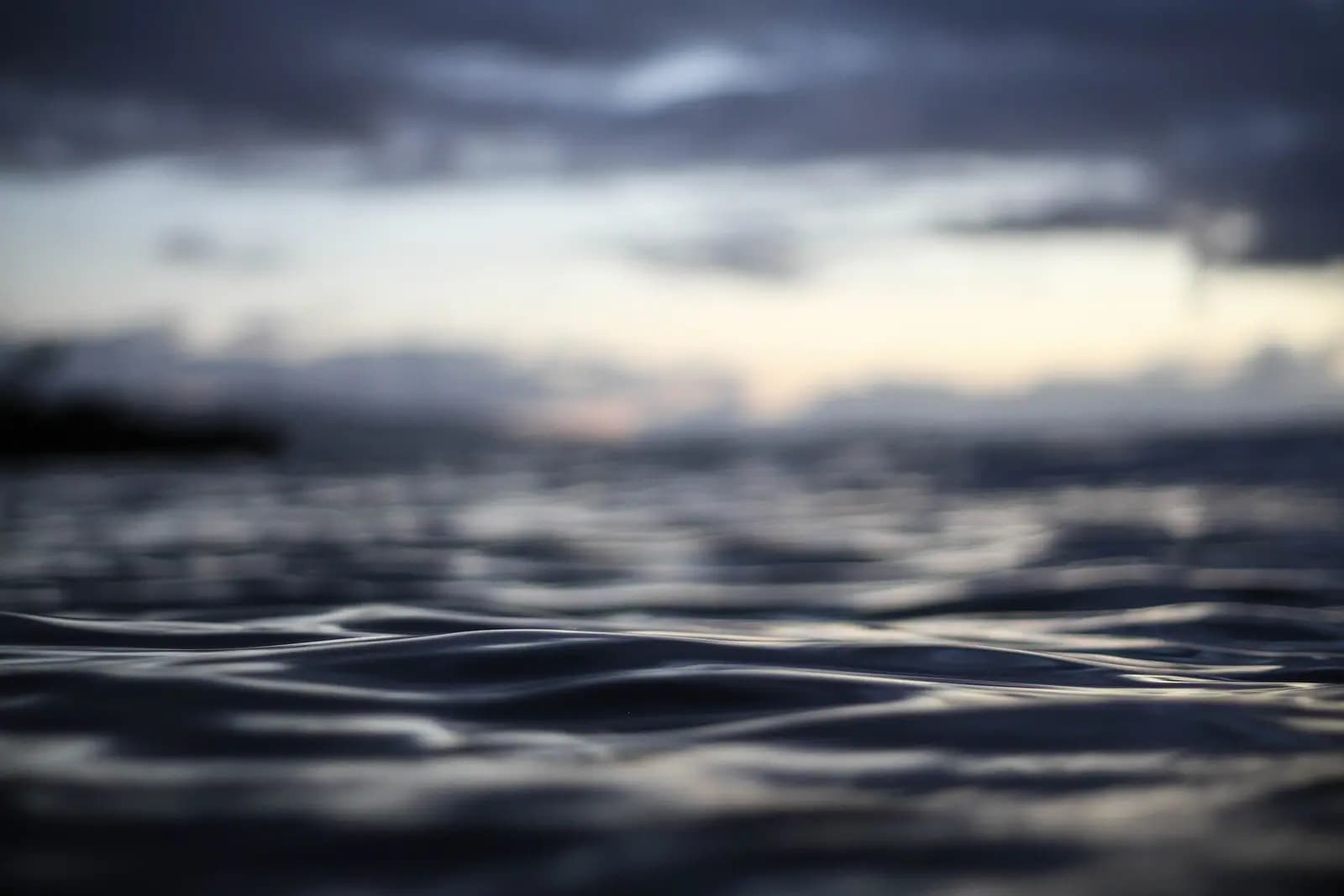
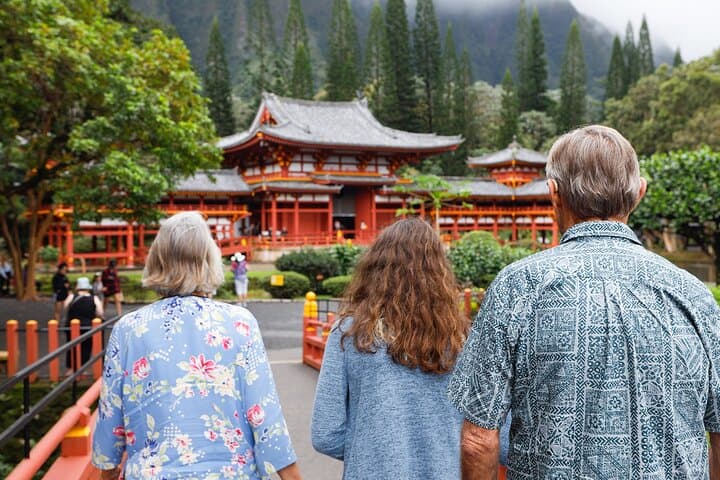
The two bays, and how to tell which one you have

Summer, roughly May to September. North Pacific swell shuts off and Waimea becomes one of the calmest swimming beaches on the island. Water is clear enough to see your feet in chest depth, the sand shelf is forgiving, and the bay is genuinely good for children who can already swim. This is also the only window in which snorkelling the rocks at either end makes any sense.

Winter, roughly November to March. The same bay receives long-period swell generated thousands of miles away, often with no local wind to warn you. It can go from flat to unrideable inside a day. On those days the water is closed, the shorebreak alone will break bones, and the currents running out of the bay are strong enough to carry a strong adult swimmer past the point.

Three rules that matter more than anything else on this page:

  • If a lifeguard tower has posted a closure or a warning, that is not advisory. It is the judgement of people who pull bodies out of this bay.
  • Do not judge the water from the lot. The shorebreak is invisible from the road and the sets are spaced minutes apart.
  • Never turn your back on the water at the shoreline. Waves run up the sand face here and pull back hard.

April/May and October are the transition months and are the least predictable. Treat a shoulder-season Waimea as a winter bay until you have watched it for fifteen minutes.

The Eddie, and why it almost never runs

The Eddie Aikau Big Wave Invitational is the reason Waimea appears on television. It is held at this bay and nowhere else, it is invitational rather than open, and it has a rule that makes it unlike any other contest: it runs only when the surf reaches a genuinely enormous threshold sustained through a full day. Most winters it does not run at all. Holding periods have closed with nothing happening several years in a row.

That has a practical consequence for visitors. You cannot plan a trip around The Eddie. What you can do is understand that the call is usually made a day or two ahead, and that when it is made the North Shore effectively stops: Kamehameha Highway becomes a car park, tens of thousands of people line the bay, and the shoulder parking that is tight on a normal day is gone by first light. If it is called while you are here, take the bus or ride a bike in, and go early.

Eddie Aikau himself was the first lifeguard employed at Waimea, in the late 1960s, and is credited with never losing a swimmer here. He was lost at sea in 1978 after paddling for help when the voyaging canoe Hōkūleʻa capsized in the Kaʻiwi Channel. The phrase you will see on bumper stickers all over the island is about him.

Parking, and the hour that decides your day

The beach park lot sits directly off Kamehameha Highway on the south side of the bay. It is free and it is small.

  • Summer weekday: arrive before ten and you will usually find something. After eleven you are circling.
  • Summer weekend: before nine, or park in Haleʻiwa and make a different plan.
  • Winter, with swell running: before eight. A rideable day at Waimea draws the whole island, not just visitors.
  • The highway shoulder is the overflow, and it is legal in places and not in others. Watch what the local cars are doing, do not block a driveway, and do not leave anything visible in the car. Break-ins at North Shore beach lots are common enough that residents leave their vehicles unlocked and empty.

Add the traffic. Most visitors arrive from Waikīkī, roughly an hour away via the H-1 and H-2 to Kamehameha Highway, and the bottleneck is Haleʻiwa town rather than the freeway. A Saturday that starts at nine from Waikīkī can easily become a noon arrival.

The Bus route 60 runs the coast and stops near the bay. It is slow — budget two hours or more from town — but on a big-swell day it is genuinely the faster option.

The jumping rock, and what it costs people

The lava outcrop at the north end of the bay is the island's best-known jumping rock, and in calm summer conditions people queue for it all day. It is also a regular source of injuries, and the reasons are mundane rather than dramatic.

  • The rock is sharp and wet. More people get hurt climbing up and slipping off the top than get hurt in the water.
  • Depth changes with the sand. The bay's sand moves seasonally and after big swells. A landing zone that was deep in August is not guaranteed to be deep in May.
  • Check the water under you every single time. Not once when you arrive.
  • There is nothing to jump into in winter. The rock is in the impact zone when the bay is working, and people have been swept off it.

If you are here with teenagers, the honest framing is that this is a real risk they can manage rather than a fairground ride: look before each jump, jump feet first, and swim clear immediately so the person behind you does not land on you.

Waimea Bay is not Waimea Valley

Two different places, two hundred metres apart, constantly confused.

Waimea BayWaimea Valley
What it isCity beach park on the oceanBotanical garden and cultural site inland
CostFreePaid admission
WaterThe Pacific, seasonal and sometimes closedA waterfall pool you may swim in, life jacket required
HoursDaylight, park hoursSet opening hours, ticketed entry
WeatherBetter on a clear dayWorks in rain, which is the point

If the surf is huge and you have driven an hour to get here, the valley across the road is the answer to a wasted morning. It is also the better call on a wet day, because the walk to the falls is paved and a botanical garden in rain is not a compromise.

For calm water in winter, Haleʻiwa Beach Park is the reliable option on this coast — it sits behind a reef and stays swimmable when everything else is closed.

Tours that visit Waimea Bay

Operators run these trips past Waimea Bay, or stop there as part of a longer route. We list what the booking data supports — not everything that mentions the name.

Some links below go to Viator, our booking partner. We earn a commission on bookings made through them — at no extra cost to you, and with no influence on what we recommend.

  • Oahu: Full or Half Day Grand Circle Island Tour
    Free cancellationInstant confirmation

    Plantation Tours

    Oahu: Full or Half Day Grand Circle Island Tour (opens in a new tab)

    19.5K reviews

    Choose from two exciting ways to experience Oahu's top attractions, scenic beauty, and local culture. Option 1: Dole Plantation & Haleiwa…

    6–7 hours

    Prices checked

    from $100
  • WAIMEA BAY
    Free cancellationInstant confirmation

    Low Supplier Cancellation Rate

    Oahu: Grand Tour Around Island with Snorkeling (opens in a new tab)

    11.1K reviews

    Come join on a circle island adventure led by some of Hawaii’s most knowledgeable local guides and experience breathtaking lookouts to…

    Full day

    Prices checked

    from $89

Near Waimea Bay

Straight-line distances, so allow more on the road — the island is long and has one main parkway.

  • A waterfall dropping into a deep green pool at the head of a forested valley

    Park

    Waimea Valley

    A paved three-quarter-mile walk through botanical collections to a waterfall pool you may swim in. Life jacket required, lifeguard's call.

    2–3.5 hoursPaid admission, in the mid-twenties per adult at the time of writing, with lower rates for seniors, students and children and discounts for kamaʻāina and military with ID.0.5 mi away

  • The low stacked stone walls of Puʻu o Mahuka Heiau laid out on open ground above the coast
    Free

    Historic site

    Puʻu o Mahuka Heiau State Historic Site

    The largest heiau on Oʻahu, on the bluff above Waimea Bay. A sacred site that is still in use, not a lookout with a car park.

    20–45 minutesFree. There is no entrance fee and no charge to park.1 mi away

  • Flat reef slabs breaking the surface of shallow clear water off a small sand beach
    Free

    Beach

    Three Tables Beach

    Sand underfoot instead of a lava scramble, half the crowd of Shark's Cove, and three flat reef slabs that surface at low tide.

    1–3 hoursFree, with free roadside parking and no facilities.0.4 mi away

  • Reef fish moving over shallow lava structure in very clear water close to shore
    Free

    Beach

    Shark's Cove

    The best shore snorkelling on Oʻahu for four months of the year, and one of the most dangerous places on the island for the other four.

    1.5–4 hoursFree, with free parking in the beach park lot and along the highway.0.6 mi away

Waimea Bay: common questions

Can you swim at Waimea Bay?

In summer, yes — it is one of the calmest swimming beaches on Oʻahu from roughly May into September, with clear water and a gentle shelf. In winter, frequently not. From about November to March the bay takes large North Pacific swell, the shorebreak alone causes serious injuries, and Ocean Safety closes the water on big days. The beach is the same; the ocean is not. Check the lifeguard tower before you get in, every time.

How big do the waves get at Waimea Bay?

On the largest winter swells the faces at Waimea run twenty to thirty feet and beyond, which is why the bay is one of a short list of genuine big-wave venues worldwide. The shape of the bay — deep water running close to the point — lets swell that would close out elsewhere stand up and break in a single peak. Those days are rare rather than routine, but a merely large day is still far outside recreational swimming conditions.

Is parking free at Waimea Bay?

Yes. The beach park lot off Kamehameha Highway charges nothing, and there is no permit. The problem is supply rather than price: the lot is small for the volume it receives and fills before nine on summer weekends and on any winter day with surf running. The highway shoulder takes the overflow, legally in some stretches and not others. Leave nothing visible in the car — break-ins at North Shore lots are common.

What is The Eddie surf contest?

The Eddie Aikau Big Wave Invitational, held at Waimea Bay and nowhere else. It has a holding period through the winter and runs only when the surf reaches a very high threshold and holds it for a full day, so most years it is not held at all. When it is called, usually a day or two ahead, the North Shore fills: expect the highway to gridlock and parking to be gone before dawn. It honours Eddie Aikau, Waimea's first lifeguard, lost at sea in 1978.

Is Waimea Bay the same as Waimea Valley?

No, and the confusion is constant. Waimea Bay is a free City beach park on the ocean. Waimea Valley is a ticketed botanical garden and cultural site on the inland side of Kamehameha Highway, with a paved walk to a waterfall you may swim in wearing a supplied life jacket. They are a couple of hundred metres apart. If the surf has closed the bay, or it is raining, the valley is the better use of the drive.