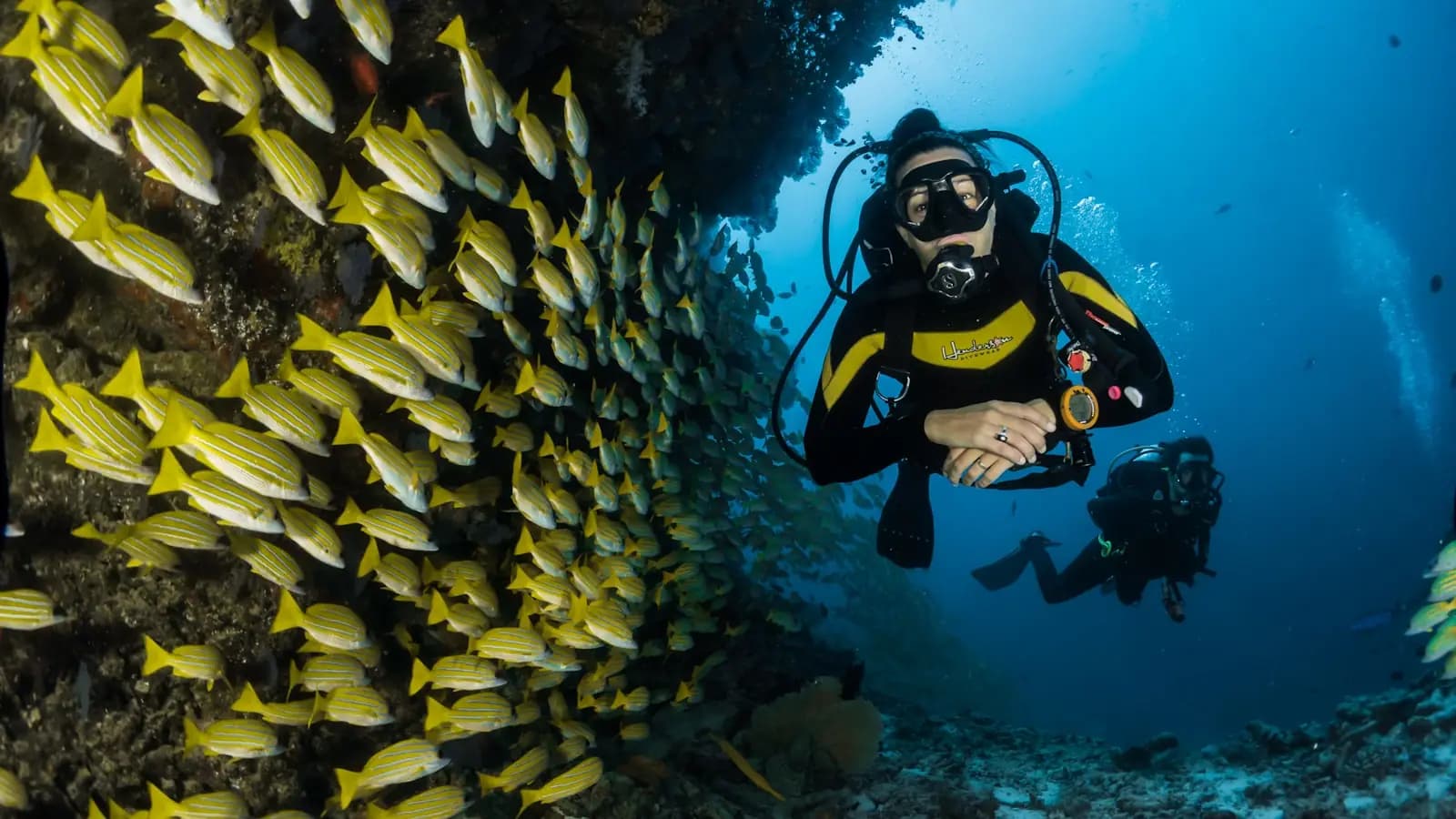
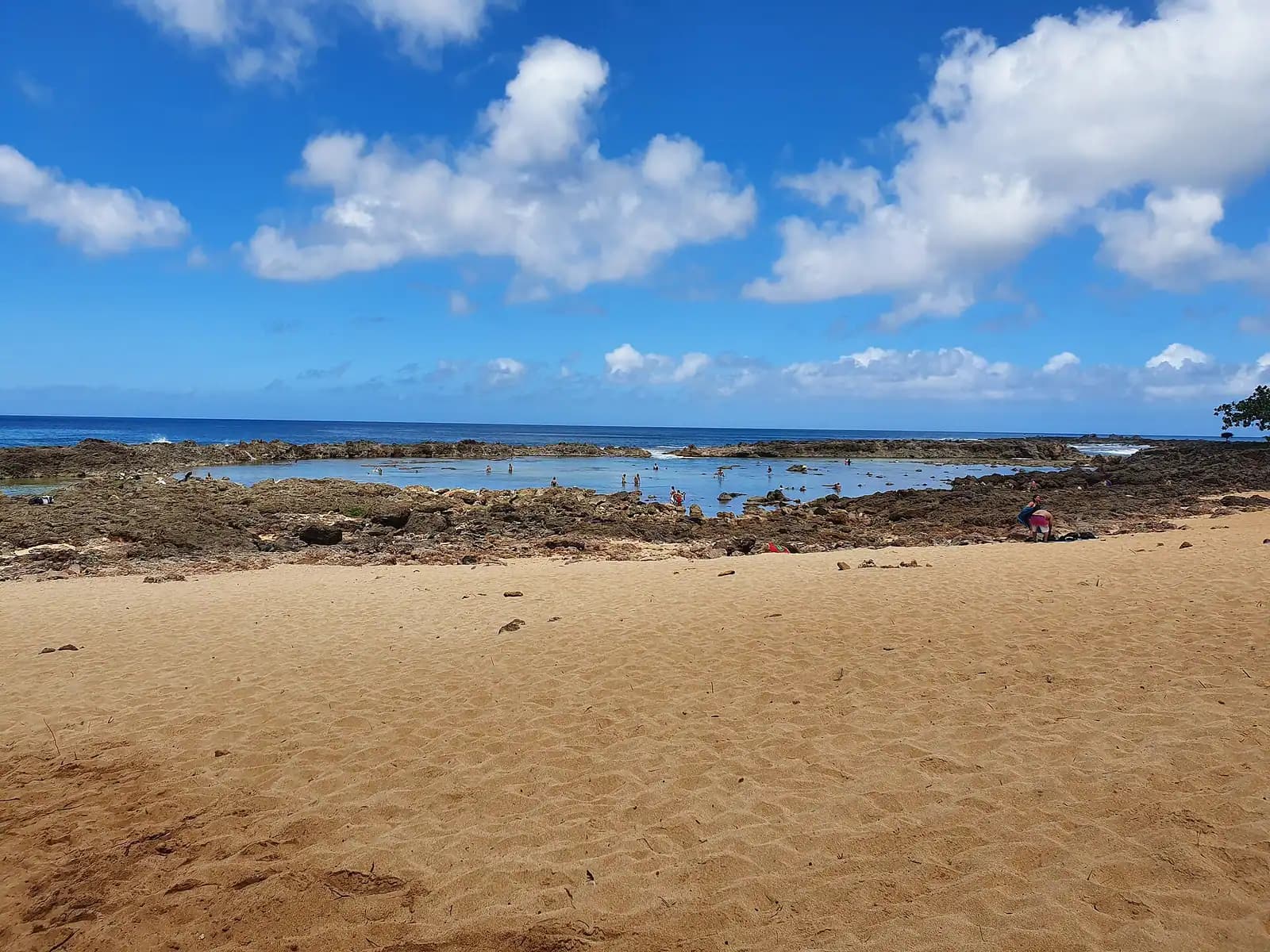
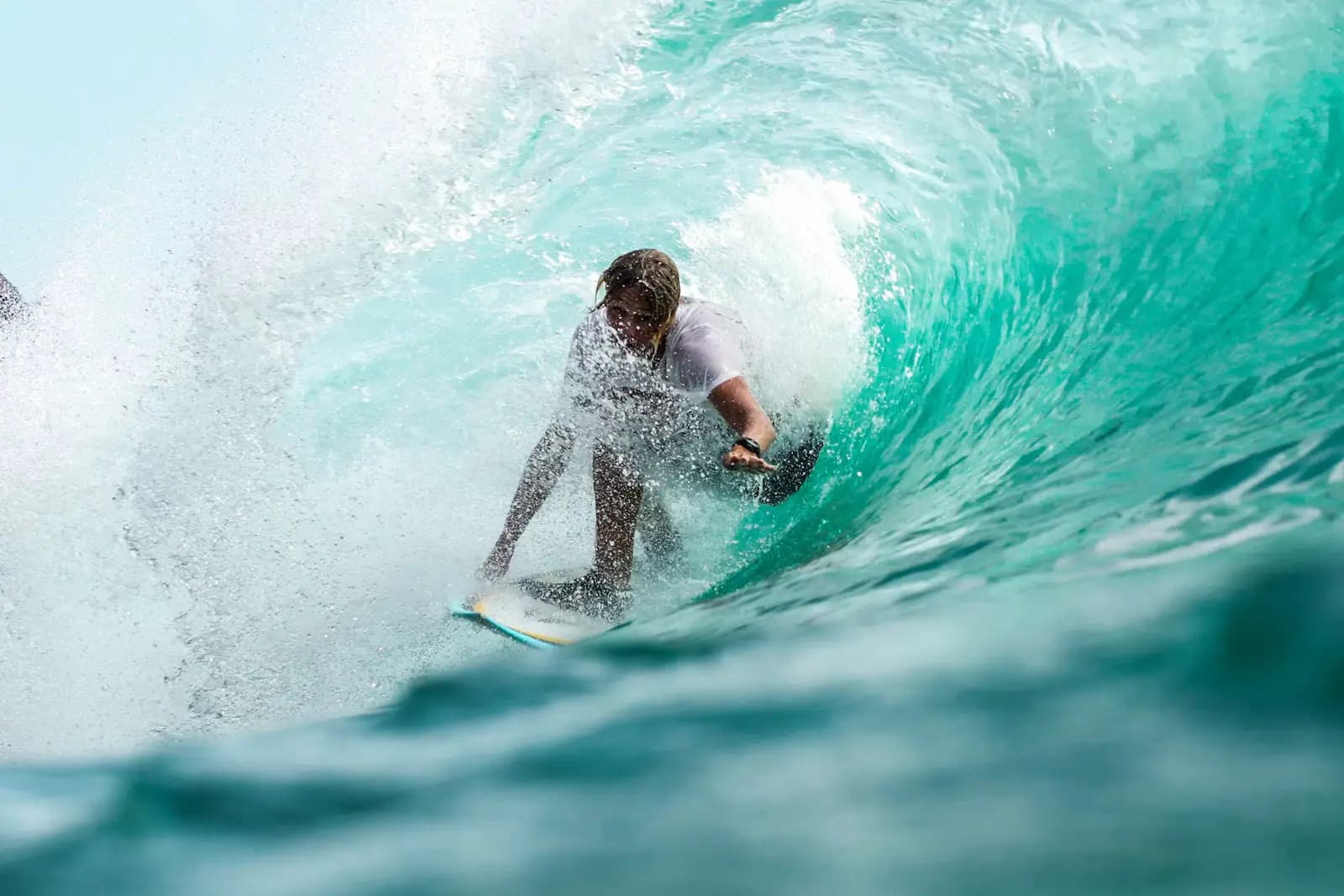
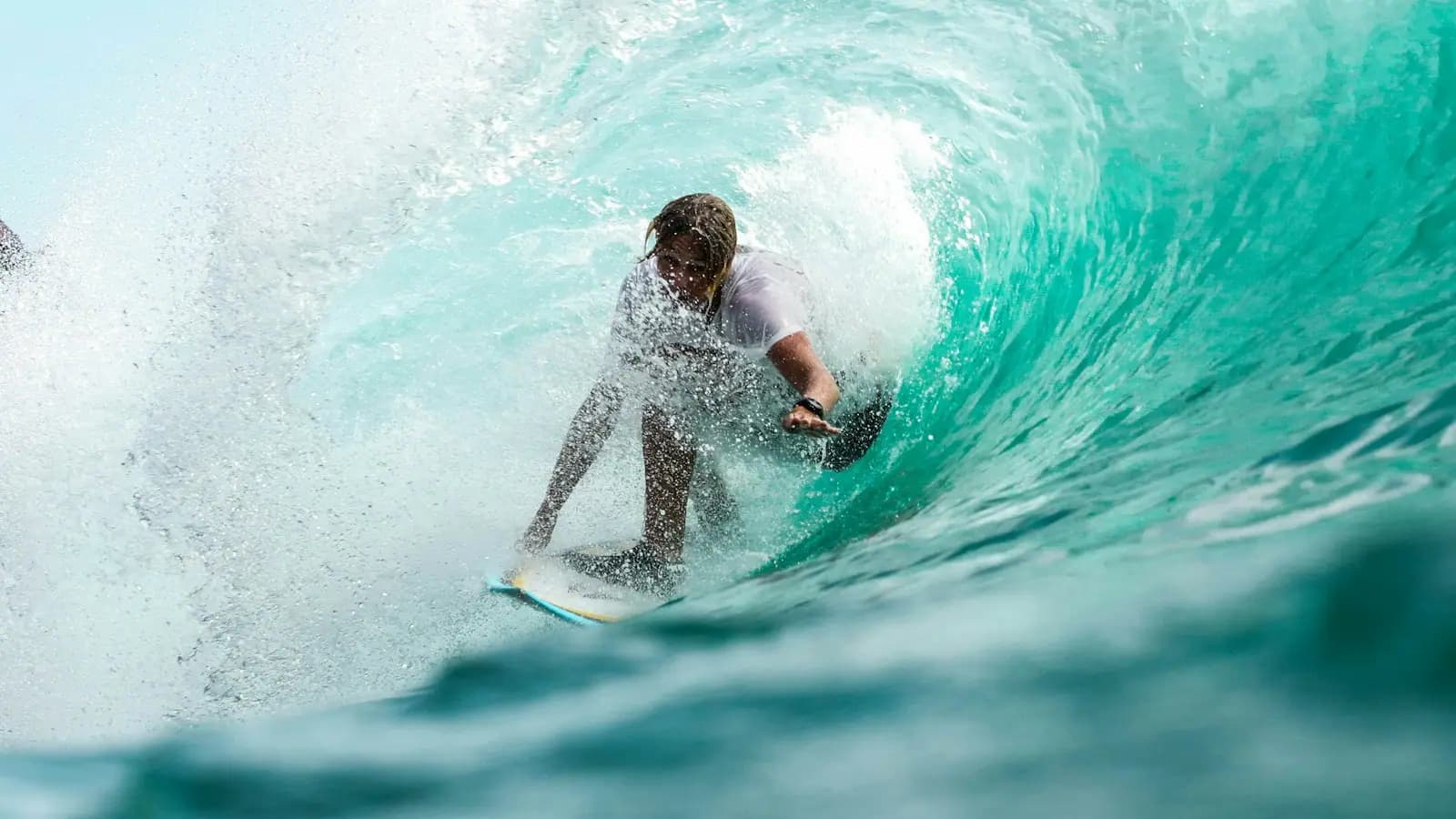
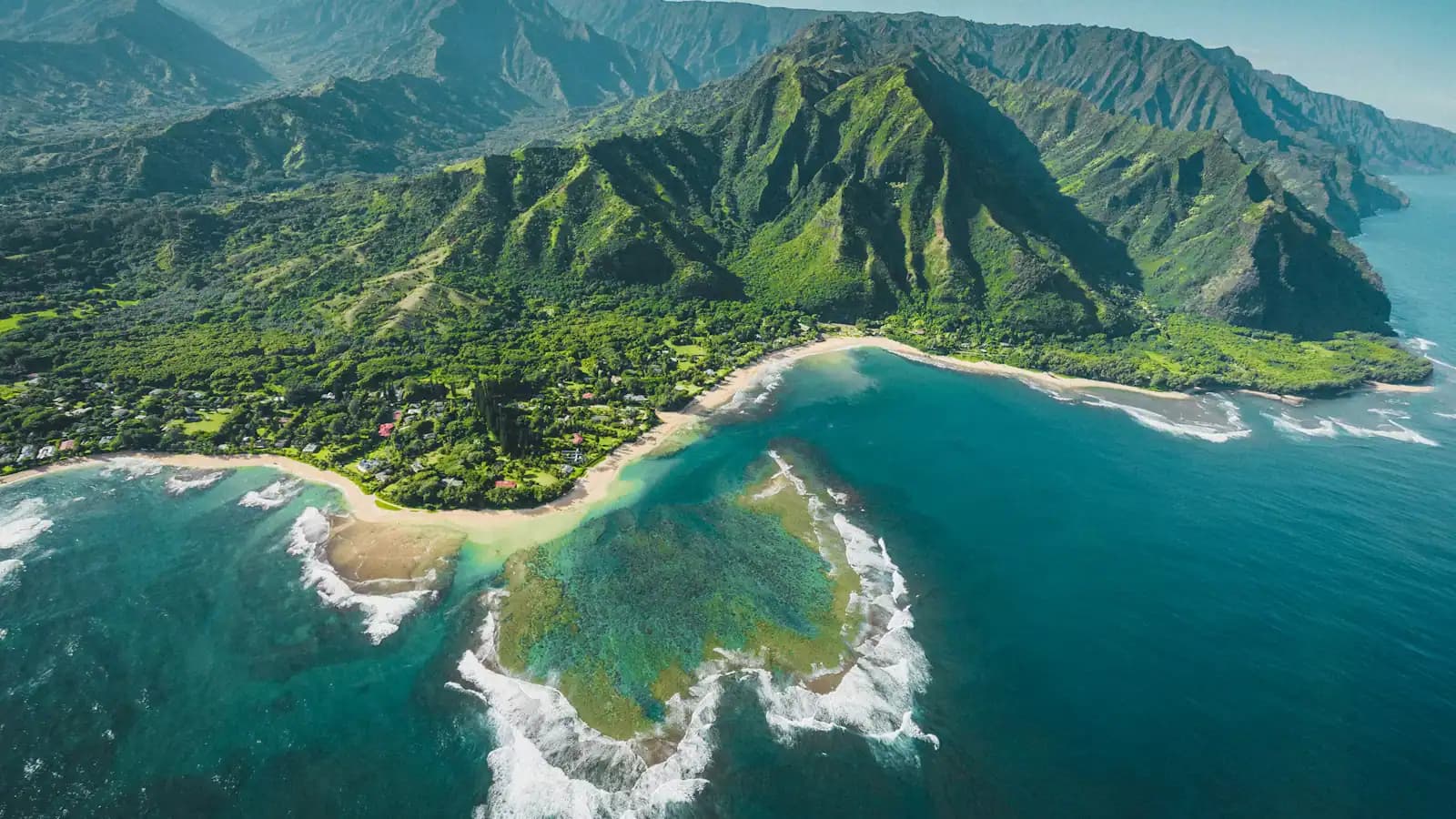
The North Shore has the best shore snorkelling on Oʻahu and the shortest season for it. Both of those facts come from the same place. The reef shelf at Pūpūkea sits shallow and close in, riddled with lava tubes, arches and sand channels, and protected as a marine life conservation district where nothing may be taken. In summer that shelf is a clear, still aquarium in waist to chest-deep water, with parrotfish grazing audibly on the rock and honu cruising through. In winter the same shelf is what a twenty-foot swell breaks on, and people have died at Shark's Cove doing in December what was perfectly reasonable in July.
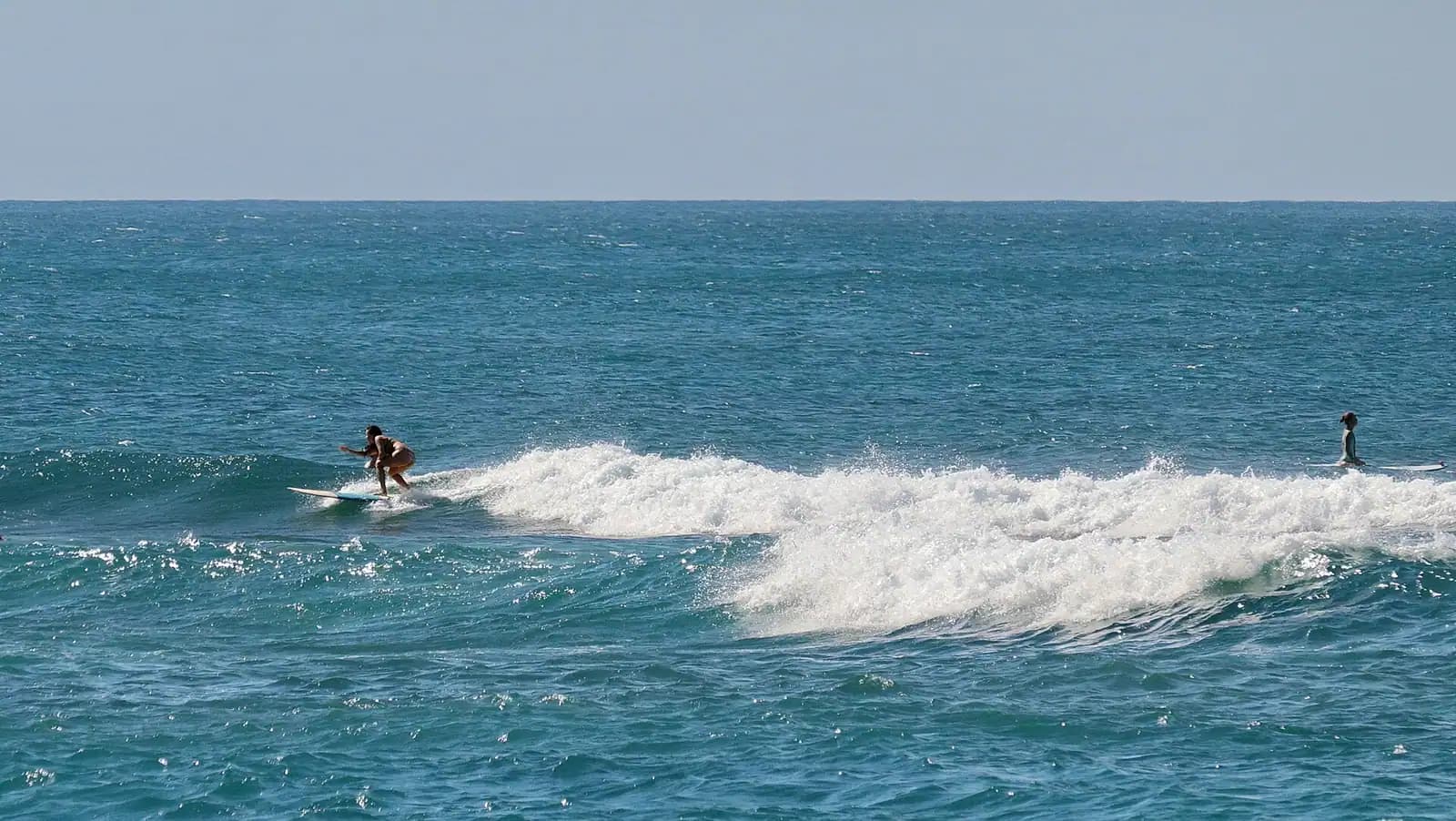
So the first decision is not where, it is when. From roughly May to September, Shark's Cove and Three Tables are genuinely world-class and genuinely accessible, with no boat and no fee. From roughly November to March they are closed in practice if not by sign, there is no lifeguard tower at either, and Honolulu Ocean Safety's standing advice in high surf is to snorkel only at beaches with a permanent tower. The shoulder months do whatever they want. Check the day's surf forecast and advisory before you load the car, not the week's.
The second thing to understand is that the North Shore reef is not a Caribbean coral garden and should not be judged as one. It is basalt: lava rock shaped into ledges, tables and caverns, with coral growing in patches rather than in walls. What that geology buys you is structure. There are overhangs to look under, channels to follow, and tide pools shallow enough that a four-year-old with a mask can stand up. What it costs you is comfort. The entry at Shark's Cove is over sharp, slippery rock with urchins in the cracks, and it is where most of the minor injuries here come from. Water shoes are not optional.
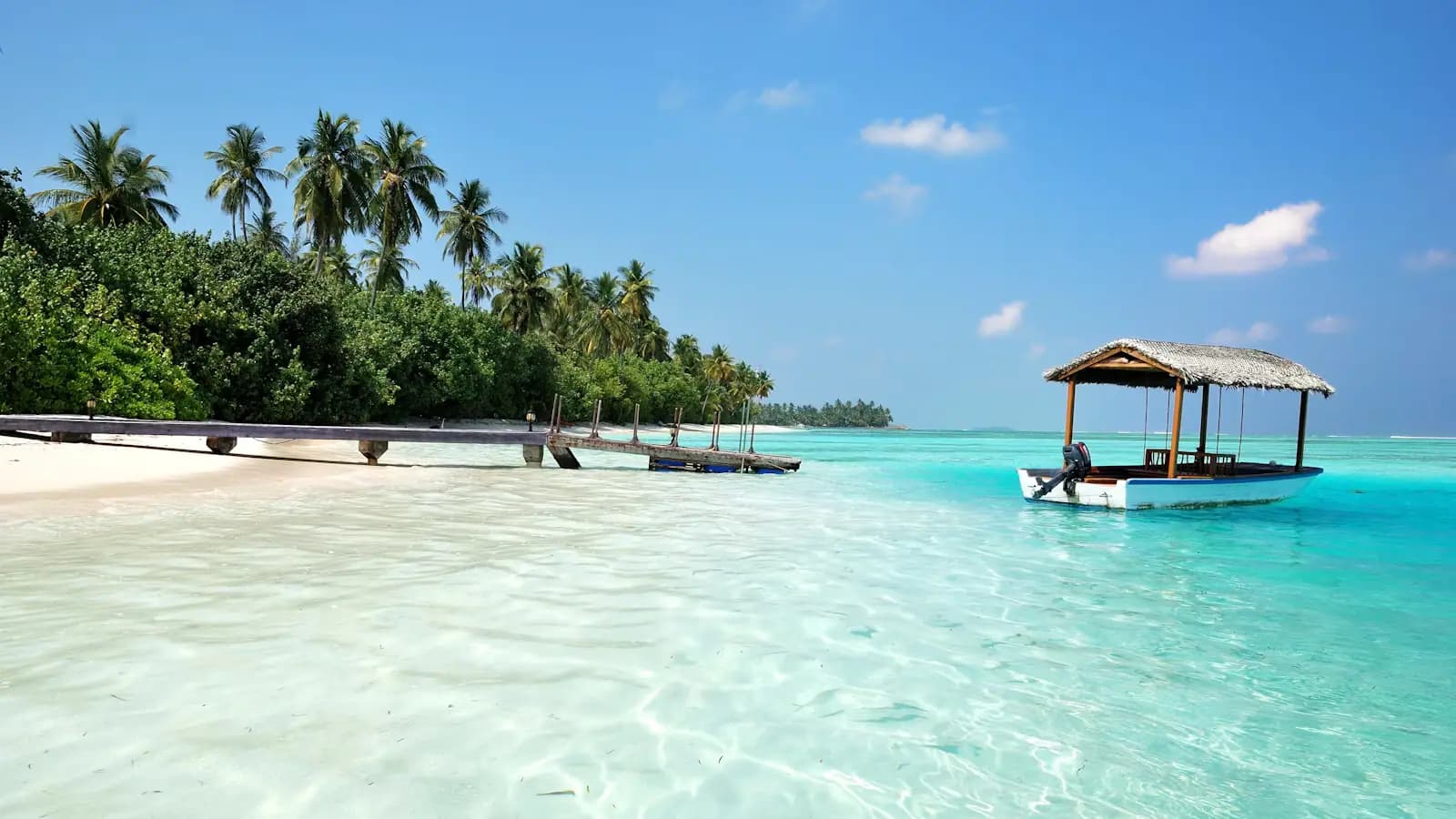
There is a year-round answer, and it is worth knowing before you plan a February trip around this page. Kuilima Cove, the small reef-protected bay at the eastern end of Turtle Bay, is shielded by an arc of reef roughly a hundred yards offshore that breaks the swell before it lands. Entry is off sand. The water inside stays calm in most conditions, the reef sits four to eight feet down, and honu come inside in the mornings. It is the rare North Shore snorkel that works when nothing else here does, and it is public beach with public access.
Everything below assumes you are treating this as a conservation district, because two of these sites legally are. Do not stand on the reef, do not take a shell or a rock, and keep ten feet off any turtle. Those are rules with statutory force here, not requests.