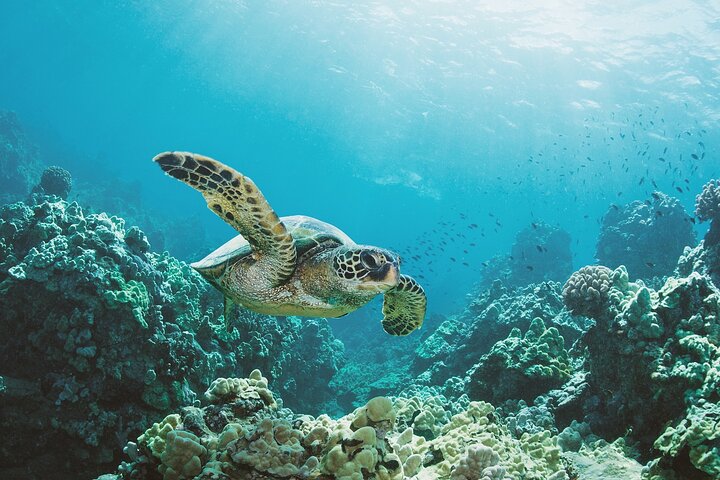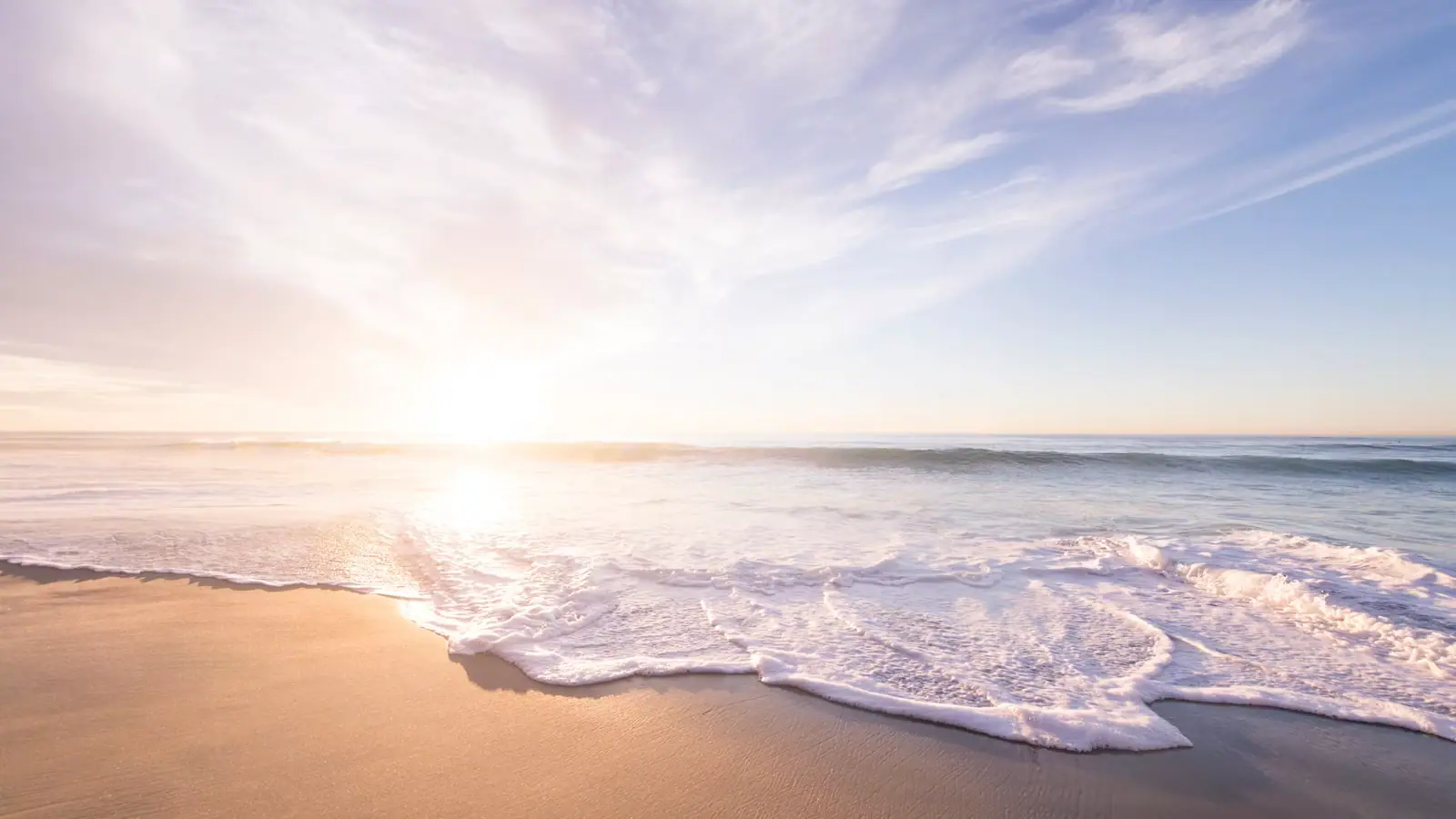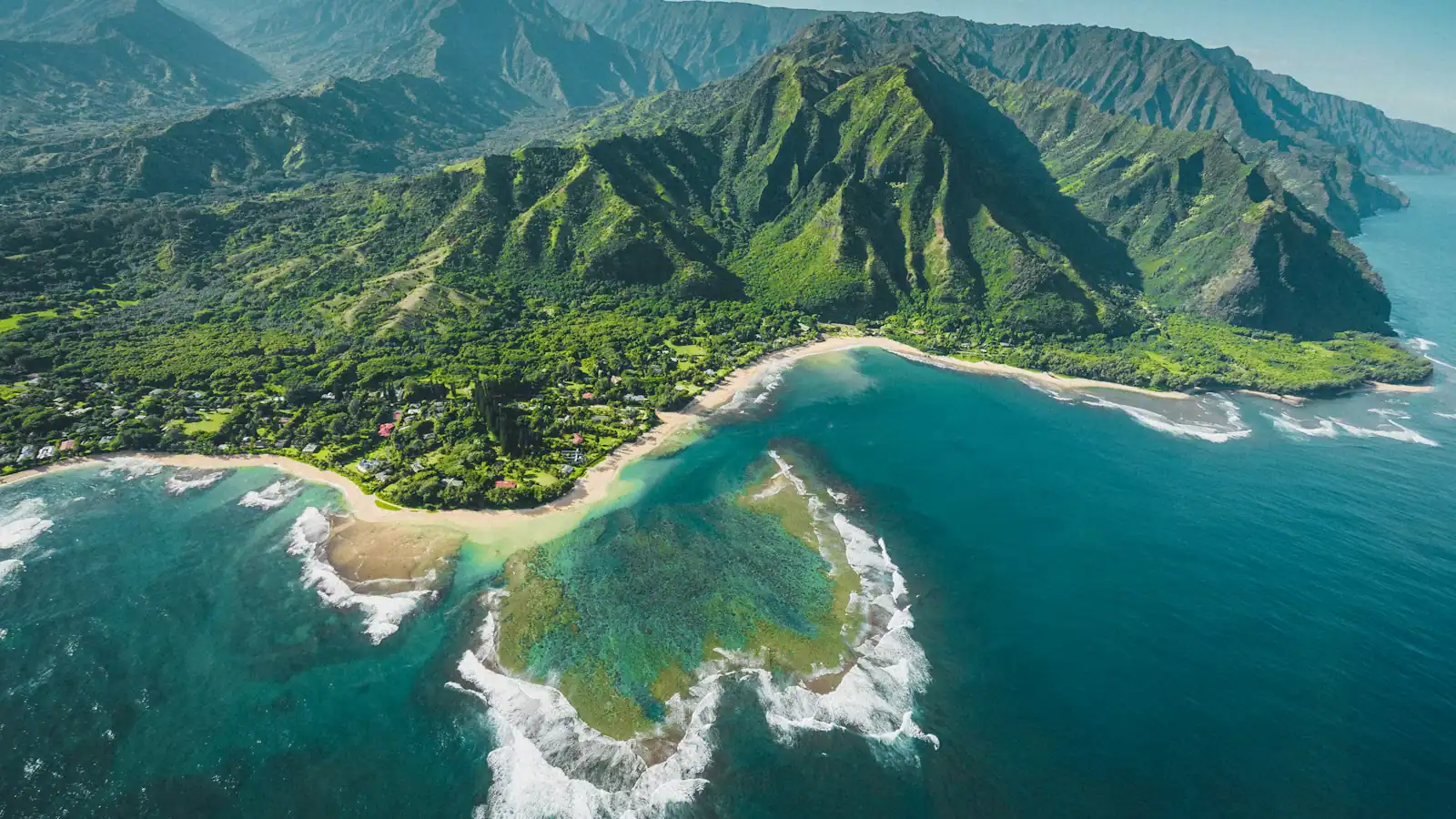
Laniākea is a short crescent of sand on Kamehameha Highway between Haleʻiwa and Waimea, unremarkable to look at and famous for one reason. Hawaiian green sea turtles — honu — come out of the water here and rest on the dry sand, often for hours, sometimes half a dozen at a time.
Basking on land is unusual behaviour for green turtles. Hawaiʻi is one of the few places in the world where the population does it routinely, and Laniākea is the most accessible place on Oʻahu to see it. That combination has made a roadside beach with no car park into one of the busiest stops on the North Shore.
The rule, first
Federal guidance is to stay at least 10 feet from a sea turtle, on land and in the water. In practice, give considerably more room than that if the animal is resting on sand.
Honu are protected under the Endangered Species Act and by Hawaiʻi state law. Touching, riding, feeding, chasing or otherwise harassing one is an offence, and harassment includes anything that makes the animal change what it was doing. If a turtle lifts its head, turns, or starts moving back toward the water because of you, you were too close.
Volunteers from local conservation groups are often on the beach, roping off resting animals with a line and a sign and explaining the distance to people. They are not officials and they are not paid. Treat what they ask as the correct answer, because it is.
Why a basking turtle needs to be left alone
A turtle on the sand is not stranded, injured or lost. It has hauled out deliberately, and the best current understanding is that it is thermoregulating — raising its body temperature above what the water gives it — and resting somewhere no shark can reach.
That rest is the point. A honu forced back into the water by a crowd has been deprived of the thing it came ashore for, and does it under stress with a group of people following. Repeat that forty times a day across a season and it stops being a harmless photograph.
Practical translation: stand back, stay quiet, keep between the animal and nothing. Do not position yourself so the turtle has to get past you to reach the sea.
What not to do, specifically
- No touching, for any reason, including "it looked like it had something on its shell".
- No flash photography, and no phone held over the animal's head.
- No sitting down beside one for a photograph with it in frame behind you.
- No moving a rope, sign or cone that a volunteer has placed.
- No letting children run at one. This is where most incidents start.
- No drones. Federal guidance for wildlife disturbance applies to aircraft as well as people.
Some honu at Laniākea are individually known, with names and identifying shell markings that regular volunteers can recognise on sight. They are not an attraction with a schedule. They are wild animals using a beach.
Timing, and the honest probability
There is no guaranteed hour. Turtles come ashore when they choose.
| When | What to expect |
|---|---|
| Early morning, before 9 a.m. | Animals that came up overnight are often still ashore; parking exists; few people |
| Mid-morning to early afternoon | The most reliable window for a turtle actually hauling out, and the worst for parking |
| Late afternoon | Reasonable, and the light is better; the crowd thins after four |
| Any day, no turtles | Entirely possible. Nobody can promise you a sighting |
Summer, with calm water, generally sees more animals resting ashore for longer. Big winter swell washes the beach and the turtles use it less. Nesting is a separate matter and happens overwhelmingly at French Frigate Shoals in the Northwestern Hawaiian Islands, not here — what you are watching at Laniākea is resting, not nesting.
The parking is the dangerous part
Laniākea has no car park. None. What it has is a dirt and grass verge on the inland side of a two-lane highway, and a stream of people crossing that highway on foot to reach the beach.
This is a recognised traffic and pedestrian hazard. The queue of cars waiting to squeeze onto the verge is a large part of why Kamehameha Highway backs up through this stretch, and pedestrians step out from between parked cars into moving traffic.
If you stop here:
- Pull fully off the asphalt, all four wheels on the dirt.
- If the verge is full, keep driving. There is another day and another turtle.
- Cross where you can see both directions. Do not cross between parked vehicles.
- Hold children's hands from the car door to the sand.
- Do not stop on the highway itself to let passengers out, and do not reverse along the shoulder.
Sunset Beach, Haleʻiwa and Waimea all have proper car parks. Laniākea does not, and the difference is the whole logistics problem of this stop.
Where else you will see honu on this coast
Laniākea is the famous one, not the only one.
In the water at Pūpūkea in summer. Shark's Cove and Three Tables both hold honu moving through the shallow reef. Snorkelling near one is legal at ten feet; swimming after it is not.
Turtle Bay. The name predates the resort and the sheltered coves at Kuilima genuinely hold turtles. Public beach access and marked parking exist.
Haleʻiwa Aliʻi Beach Park and the harbour mouth. Turtles feed along that reef and are regularly visible from the shore.
On a boat. Snorkel charters out of Haleʻiwa Small Boat Harbour run to reef where honu feed, which in winter is often the only sensible way to be in the water with them at all.
If a turtle looks in trouble
Do not intervene. A honu tangled in line, obviously injured, or covered in the tumours associated with fibropapillomatosis needs a trained responder, not a tourist.
Call the NOAA Fisheries Pacific Islands marine wildlife hotline or tell a volunteer on the beach, describe where the animal is, and keep other people back until somebody arrives. Moving a sick or injured turtle yourself is both illegal and likely to make its condition worse.
Hawaiian green turtles recovered substantially after protection in the 1970s, which is why you can stand on a public beach and see several. That recovery is the reason the rules exist and the reason they are worth keeping.
What good behaviour looks like here
Arrive before nine or after four. The animals are there and the verge is not full.
Stand behind the rope if a volunteer has put one out, and behind an imaginary one if they have not. Ten feet is the floor, not the target.
Photograph from where you are standing. A phone at arm's length above a basking turtle is harassment even if the turtle does not move.
Say something, kindly, if you see somebody about to touch one. Most people crowding a honu genuinely do not know, and a quiet "they ask for ten feet" works better than a confrontation.
Take your rubbish. This is a verge beach with no facilities and the bins fill by lunchtime.
If the beach is crowded and the turtles are surrounded, leave. Going somewhere else is a legitimate contribution.
Should you stop at Laniākea at all?
A reasonable question, and the answer is not automatically yes.
Stop if you are passing early or late, the verge has space, and you can watch from a distance for ten minutes without needing to get closer. It is a genuinely remarkable thing to see and it costs nothing.
Skip it if it is a Saturday at noon in July, the cars are queuing onto the highway, and the beach already has forty people on a hundred feet of sand. You will get a worse view, contribute to the traffic that residents deal with daily, and add one more body to the crowd around a resting animal.
Instead, snorkel at Pūpūkea in summer, walk the Turtle Bay coves, or take a Haleʻiwa boat trip. You will see honu behaving normally in the water rather than cornered on sand, and nobody has to cross a highway to do it.
Last updated
Opening hours, ordinances and prices move with the season. We re-check this guide rather than rewrite it, and the date above is the last time someone did. How we research and correct.