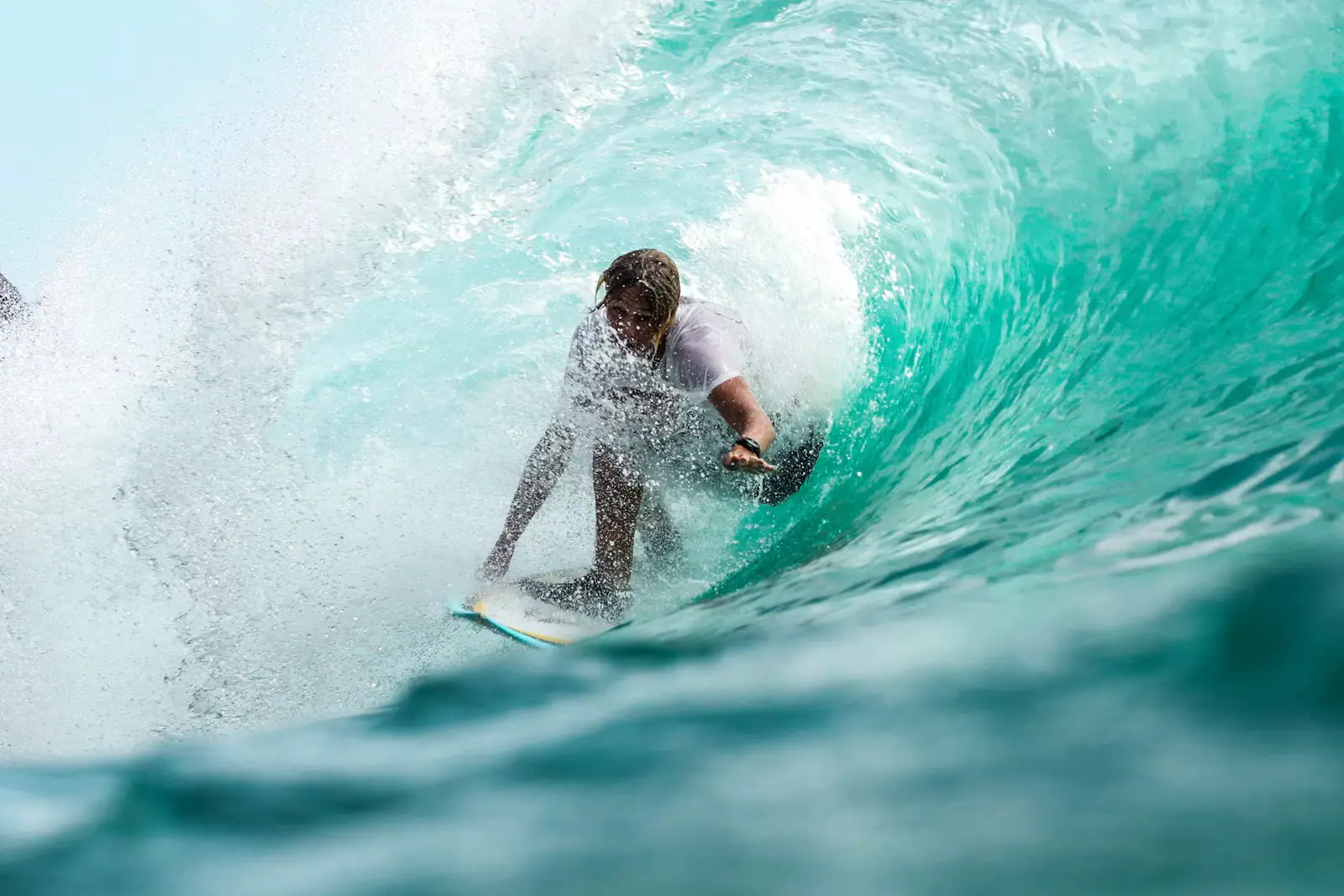
The competitive surf season on the North Shore falls inside the winter swell window, generally from late November onwards, and moves between Haleʻiwa, Sunset Beach and Pipeline. It does not run to a calendar.
How a waiting period works
An event holds a window of days or weeks. Organisers watch the forecast and call the competition on when the swell is right, sometimes with less than 48 hours' notice. That is the only way to run a contest at a break that needs a specific size and direction to work at all.
The practical consequence: a visitor cannot book flights around a contest date, because there isn't one. What you can do is come during the window and accept that you might see a lay day instead.
The Vans Triple Crown, honestly
The Triple Crown historically linked the three venues into one series and is the name most visitors arrive knowing. Its format and sanctioning have changed more than once since 2020, and the classic three-contest structure is not what it was. Check the current season's calendar rather than assuming the version you read about a decade ago still exists.
The Eddie
The Eddie Aikau Big Wave Invitational at Waimea Bay is the famous one. It holds a period running roughly from December into early March and requires consistent forty-foot faces, a threshold met a handful of times since it began in the mid-1980s. Most winters it does not run at all. If it is called, the island reorganises itself around it and Kamehameha Highway becomes impassable.
Watching one
Park very early, or park in Haleʻiwa and be prepared to walk a long way. Stand well back from the water — the sand at these breaks is not a safe vantage point on a big day. Do not block the photographers' line, do not walk through the competitors' area, and take your rubbish home, because the bins at the beach parks fill within an hour on a contest day.
And do not plan a driving day up the coast on the same date.