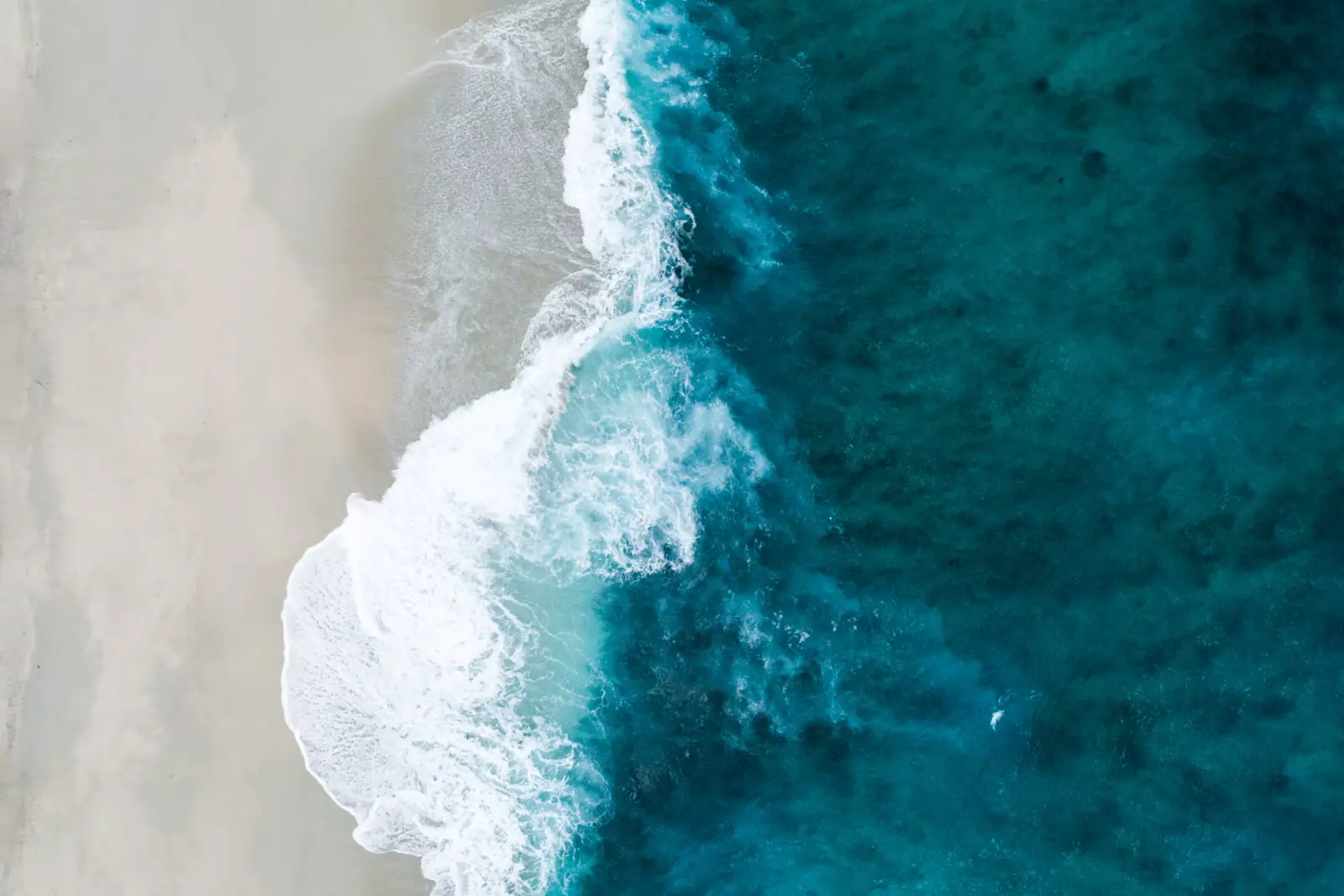
From roughly May to September the North Pacific storm track moves south, the swell goes with it, and the Pūpūkea shelf lies still. Shark's Cove becomes a series of connected shallow pools inside a lava rim, and Three Tables a few hundred metres south becomes the easier entry of the two.
Why the fish are there
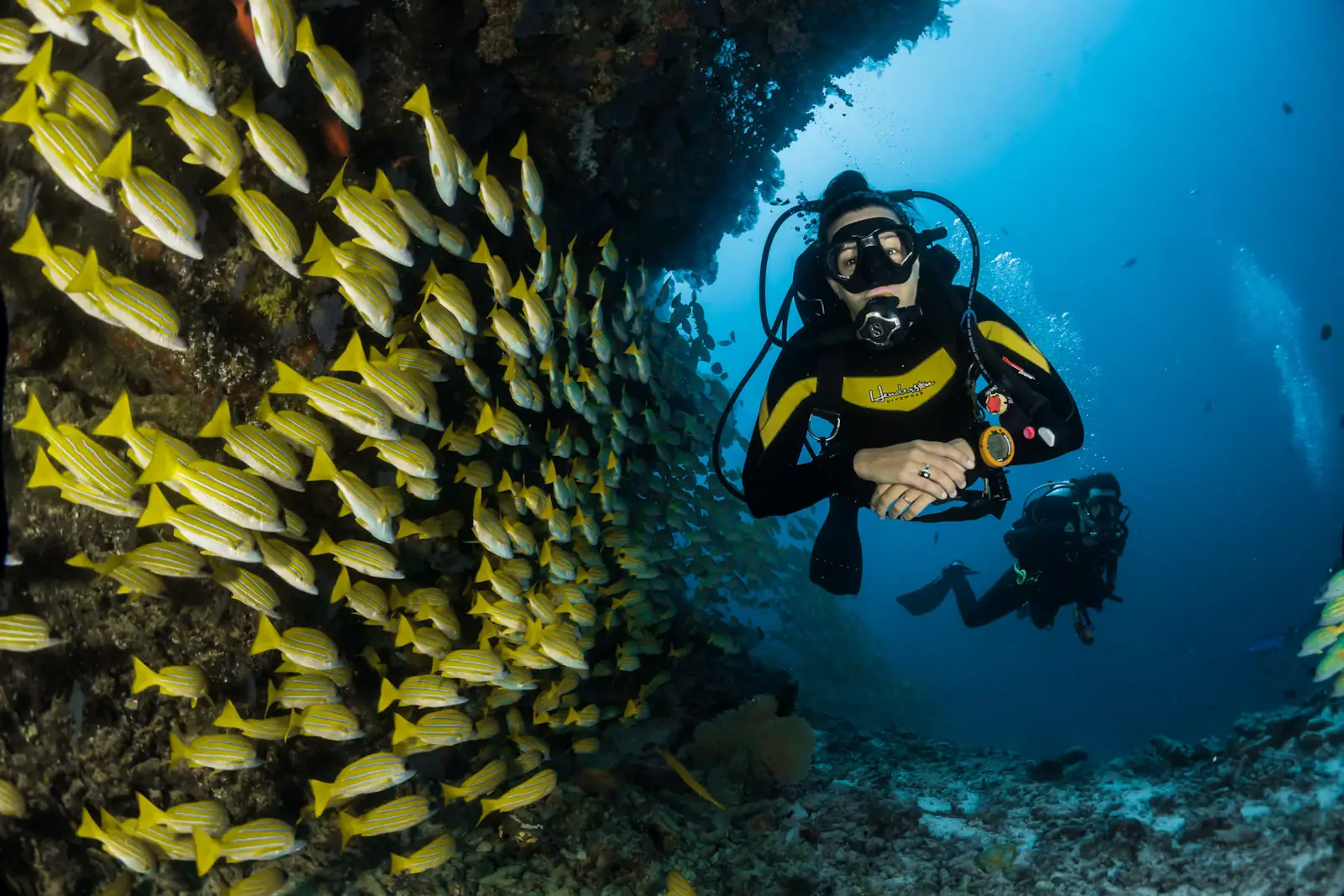
Both sites sit inside the Pūpūkea Marine Life Conservation District, a state-designated protected area where nothing may be taken — no fishing, no collecting shells, coral or rock, alive or dead. That protection has held for decades and the difference is visible: fish densities inside the district are noticeably higher than on comparable unprotected reef nearby, and the fish are not shy about it.
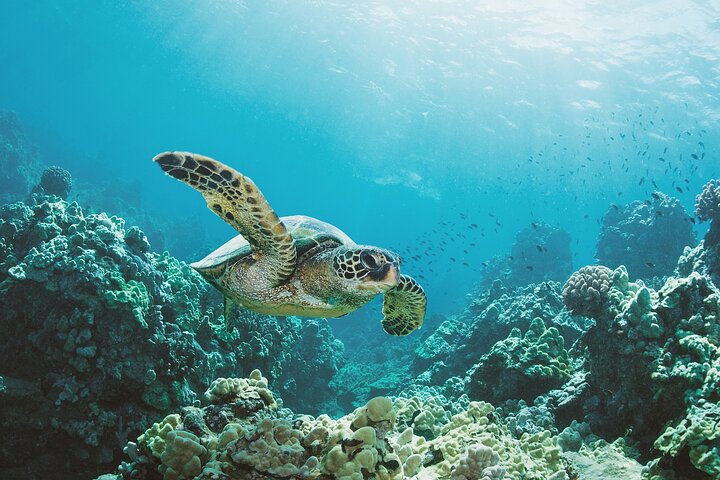
Expect surgeonfish in numbers, several butterflyfish, wrasses, eels in the rock and honu moving through. Mornings are best, before the trade wind puts chop on the surface.
The three things that go wrong
Feet. The entries are lava. Sea urchins live in the cracks. Reef booties or sturdy water shoes solve the single most common injury reported here.
Buoyancy. There is no lifeguard tower at either site. A flotation belt or vest is the most effective safety addition anybody can make at an unguarded location.
The shoulder months. April and October are a coin toss. Check the day's north shore surf forecast, and if the ocean is pushing water over the rim of the cove, the answer for that day is no.
Rules worth knowing
Ten feet from a honu, in the water as well as on land. Do not stand on coral — if the water is too shallow to swim, it is too shallow to be there. Do not feed the fish. Hawaiʻi restricts the sale of sunscreens containing oxybenzone and octinoxate, so bring a mineral product or wear a rash guard, which works better anyway.
Parking is the other constraint. The lot on the highway side is small and the residential streets above the cove are not overflow.