Between roughly November and March, storms in the Gulf of Alaska and the Aleutians send swell straight at this coast with nothing in its path. That is the whole of the North Shore's reputation, and it is also the reason people drown here.
What actually changes
Waimea Bay stops being a swimming beach. Banzai Pipeline and Sunset run at sizes that leave them to a small professional field. Shark's Cove and Three Tables, the best shore snorkelling on this side of Oʻahu in July, become water that moves boulders. Honolulu Ocean Safety closes beaches outright on the biggest days, and the closures are not advisory.
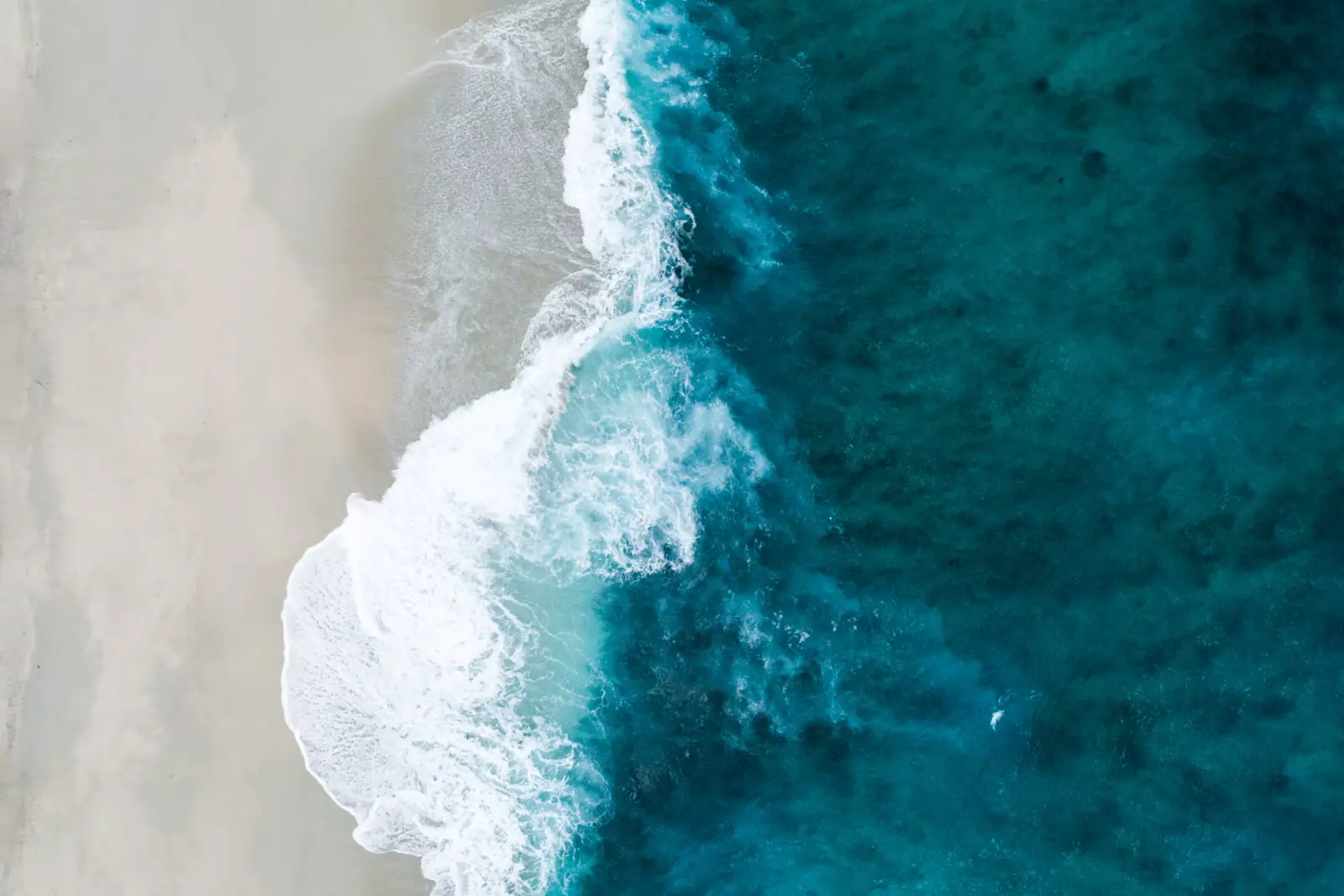
The sand itself moves. Winter swell strips the beach at Waimea down and the summer months build it back, which is why photographs taken six months apart look like different places.
Hawaiian scale
A local calling it twenty feet is describing the back of the wave. The face is roughly double. Buoy readings and National Weather Service High Surf products mostly quote face height instead, which is why the same morning produces two very different numbers. For a visitor the number matters less than the posture: any day with a surf report attached is a day to watch from the sand.
Yesterday tells you nothing
A swell that has crossed thousands of miles of open ocean arrives over a few hours. A beach that was calm on Tuesday morning can be closed by Wednesday afternoon. Check the day's High Surf Advisory or Warning for the north and west shores of Oʻahu, and check it again before you get in.
Where you can still swim
Haleʻiwa Beach Park, protected by the harbour and the reef, is usually the only sensible swim on the whole coast in January. The sheltered coves at Turtle Bay hold up in a north swell, and Hawaiʻi beaches are public with marked access parking. Waimea Valley's waterfall pool is fresh water well inland and unaffected by ocean swell, open when the lifeguards there allow it and with a provided life vest.
If a red flag is up, a tower is closed, or a lifeguard says no, that is the end of the conversation.